Latest · Breaking
After a Cybercab Ride, Conventional Cars Can Feel Broken
Nic Cruz Patane says a Cybercab lounge cabin ruins every other car: no wheel, reclining seats, a huge screen, and a ride that already feels like the future.
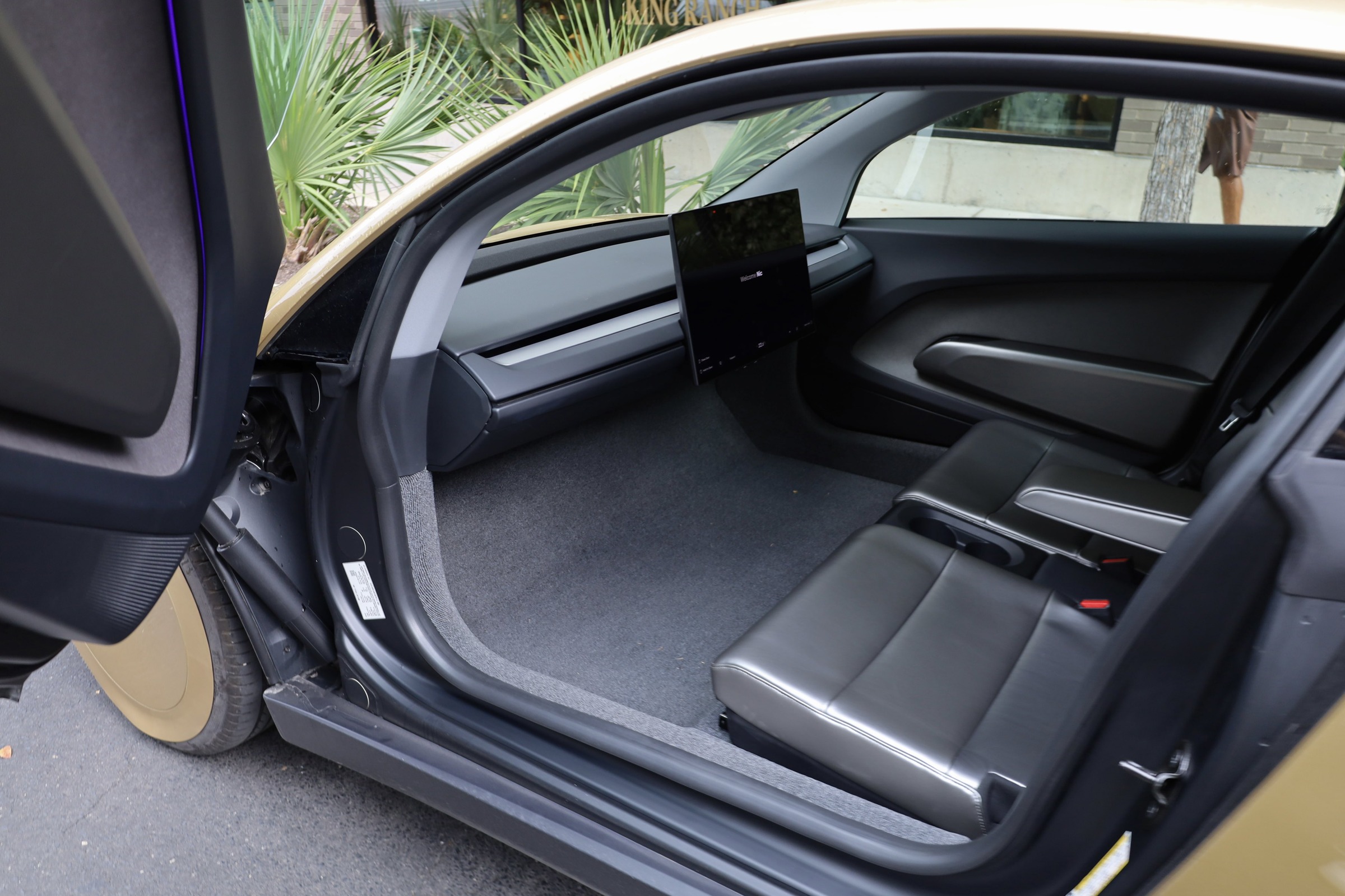
AUSTIN, Texas - Open the butterfly door on a gold Cybercab and the cabin makes the argument before anyone speaks. Two lounge seats lean back like living-room furniture. A massive center screen faces the riders. The footwell is open carpet. After that, getting back into a conventional car can feel like stepping into the past.
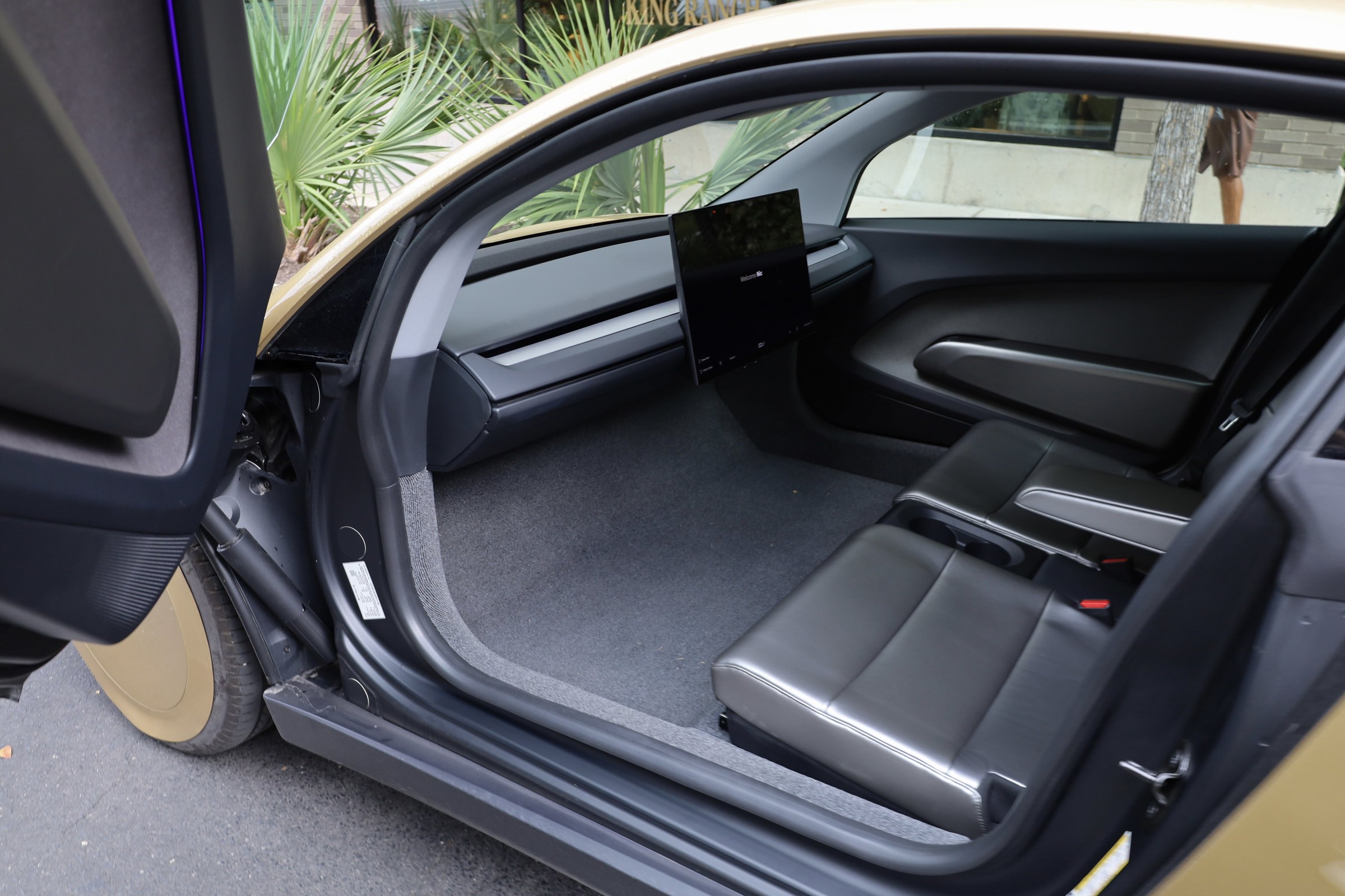
That is the scene Nic Cruz Patane described after riding Cybercab. He said he was already missing it. The seats feel like lounge chairs, almost lying down rather than sitting upright. The screen is large enough that sports on the glass would feel natural. He felt more productive in the ride than in a normal drive. He called the whole experience the future of transportation and said everything else will follow.
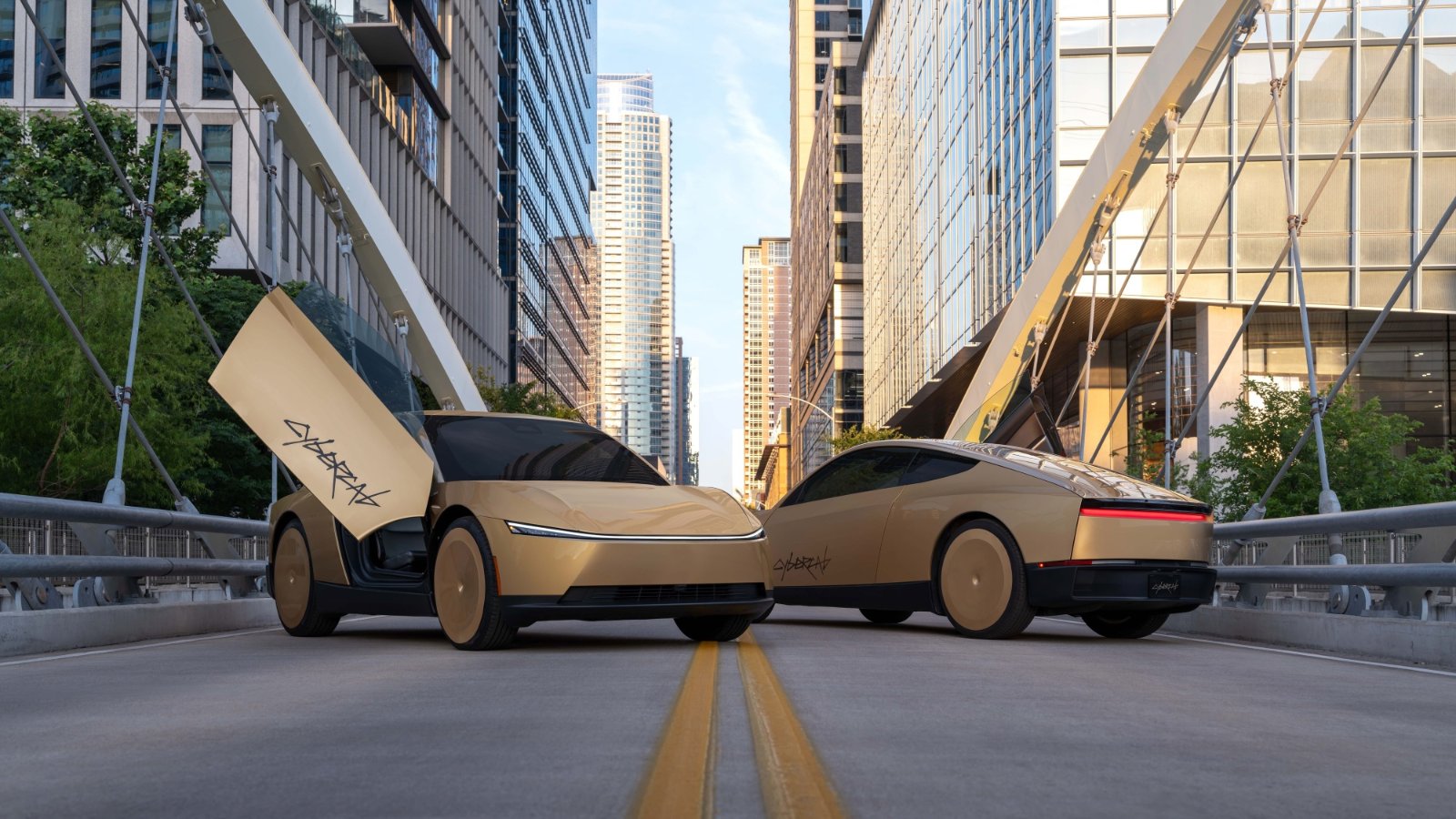
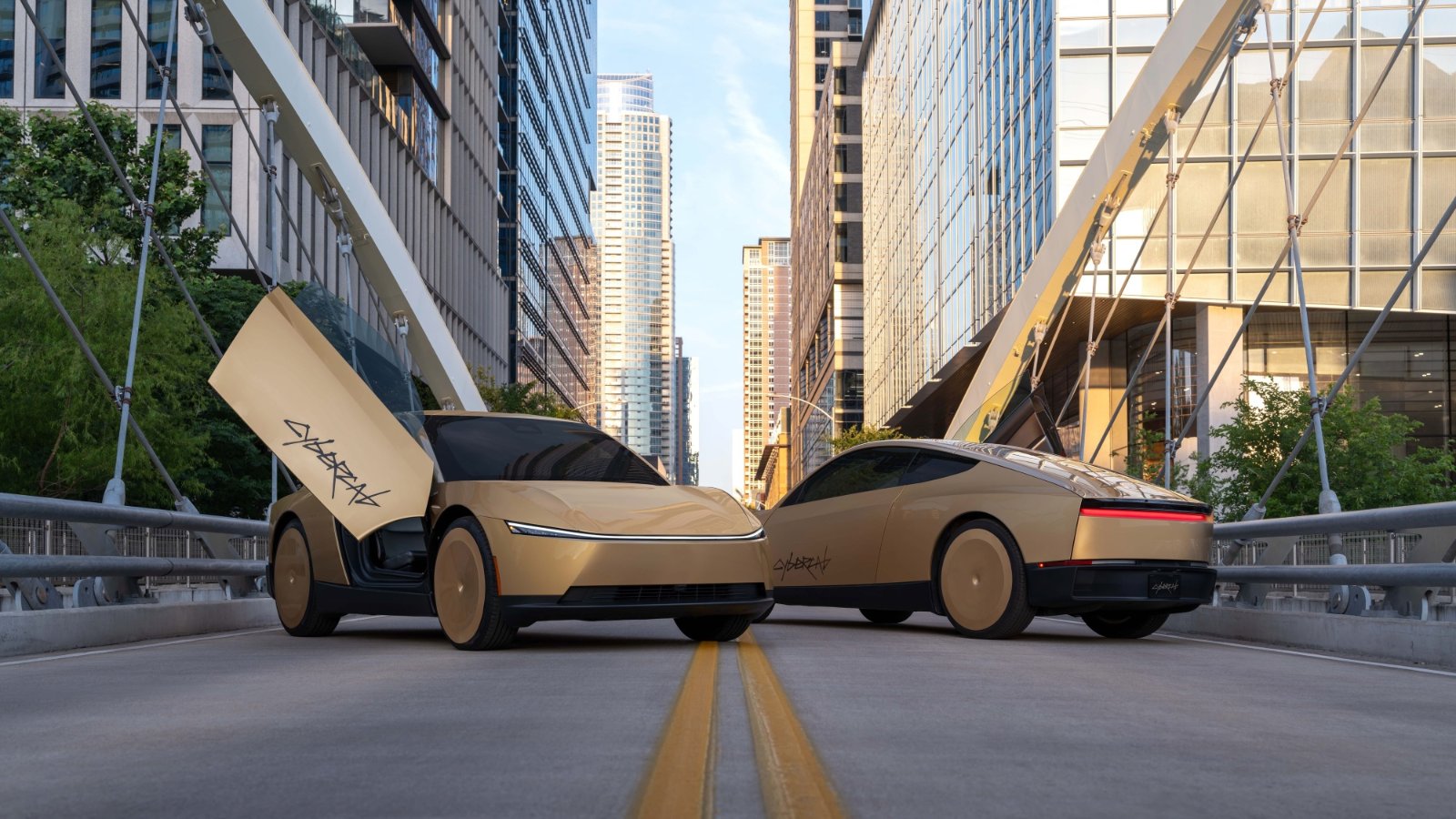
This is a passenger product, not a driver product. Cybercab is the purpose-built unsupervised two-seater Tesla built for Robotaxi hail. Austin riders already call it on the live map unsupervised. Model Y Robotaxi and private FSD cars are different hardware and different ownership stories. The gold coupe with the open butterfly door is the one that resets the baseline: ride time becomes lounge time, screen time, and work time.
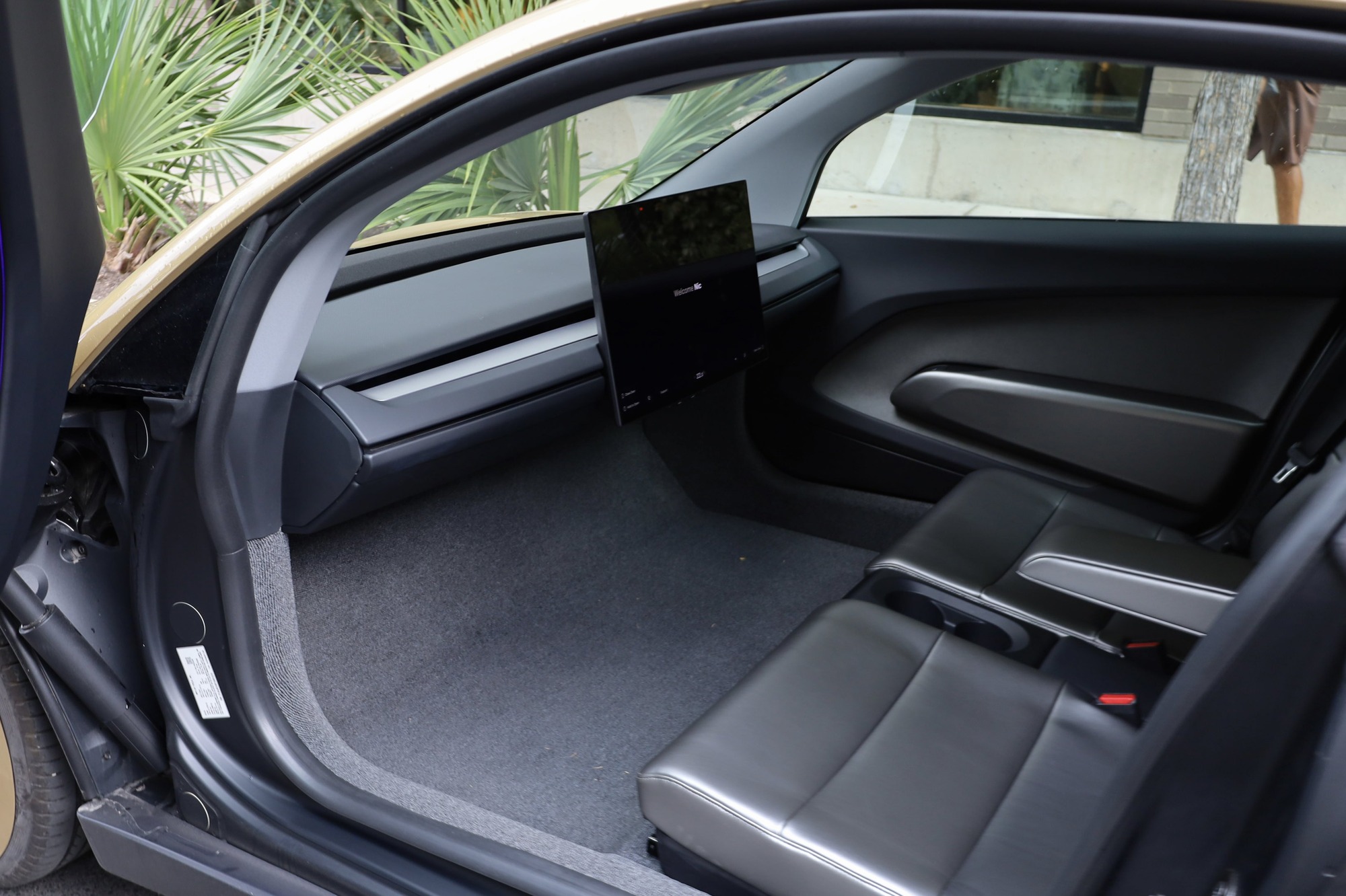
Productivity is the quiet part of the tip. In a conventional car, attention stays on the road even when you are not the driver, because the cabin still reads as a cockpit. In Cybercab the cockpit is gone. The seats recline into lounge posture. The screen owns the forward view. Riders can plan, message, watch, or rest. That is why the "ruin every car" line lands as product news, not hype: once the body learns the lounge layout, upright seats and a busy dashboard feel like friction.
The cabin still in the photo matches what riders see on unsupervised hail days: dark lounge seats with a shared armrest, cupholders, a wide horizontal display, and a clean dash line with no column. Gold bodywork catches daylight at the door edge. The open door itself is part of the theater - a clear step from curb into a dedicated robotaxi, not a borrowed sedan with a sticker.
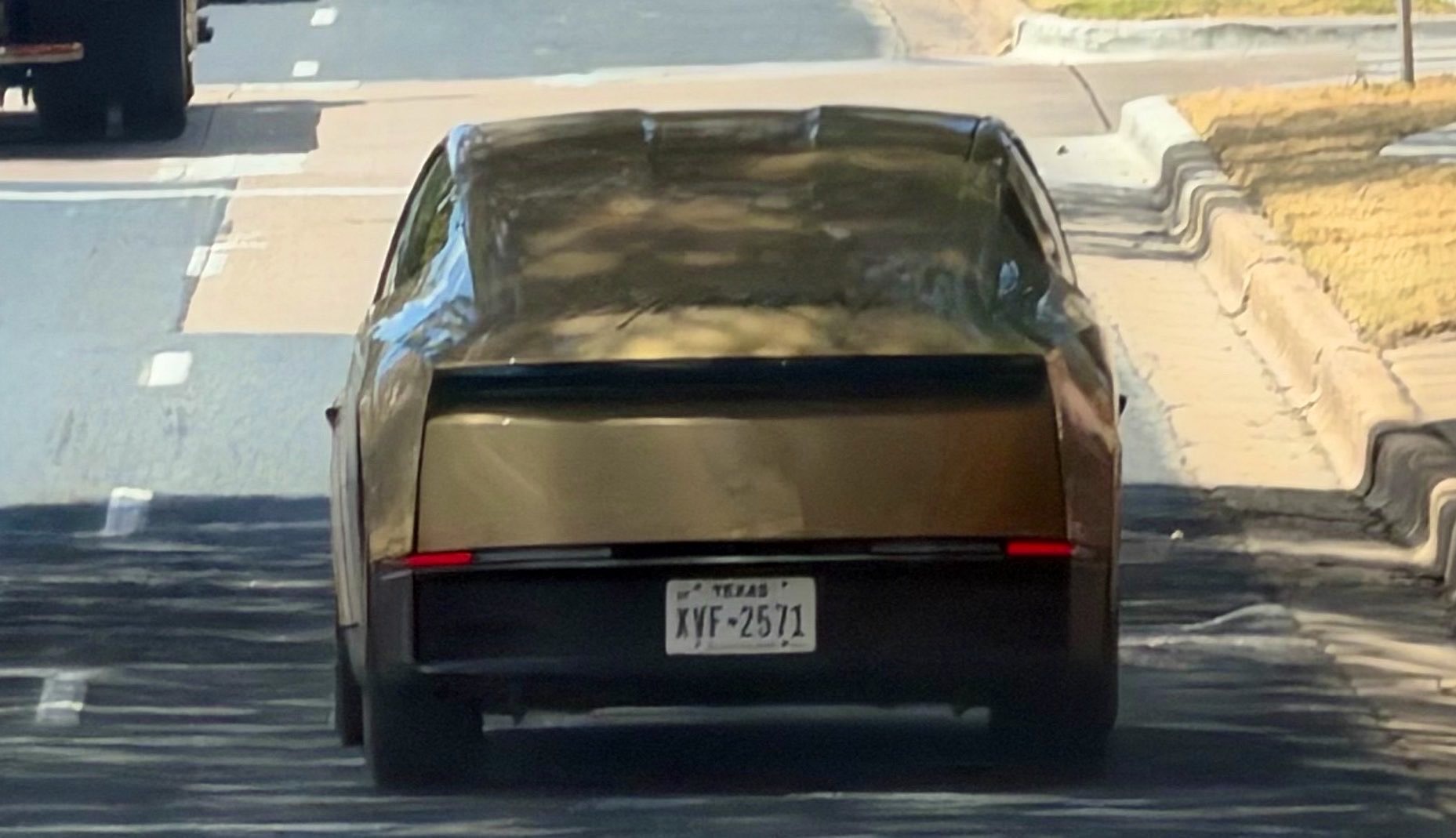
A day earlier, Cruz Patane also posted a rear-view still of Cybercab on the road, noting the wider front track and teardrop efficiency shape. That exterior is the same platform story: a compact, purpose-built taxi optimized for miles and cabin comfort, not for a human driver station. Keep that lane clear from Model Y Robotaxi talk. The efficiency still and the lounge cabin still are one product seen from curb and from seat.
Scene first: a gold Cybercab with the door up, lounge seats waiting, screen dark and huge in sight. After that ride, conventional cars can feel broken - not because they fail as cars, but because Cybercab redefined what a trip is for. Austin already runs that experience unsupervised on the Robotaxi app. The tip is a rider memory of a product that is on the street today.
Harper Quinn is a senior correspondent covering Robotaxi launches, Austin fleet ops, and the day-to-day of Cybercab rides. Previously reported transport and consumer tech for independent trade titles; based in Austin.