CITIES · Cities
Magic City: Tesla Robotaxi Nearly Doubles Miami Zone To Reach Downtown
Tesla's driverless ride service now reaches Downtown Miami, with community trackers putting the new zone at about 59 square miles, up from about 31.
Harper Quinn, Live desk
Published · 3 min read
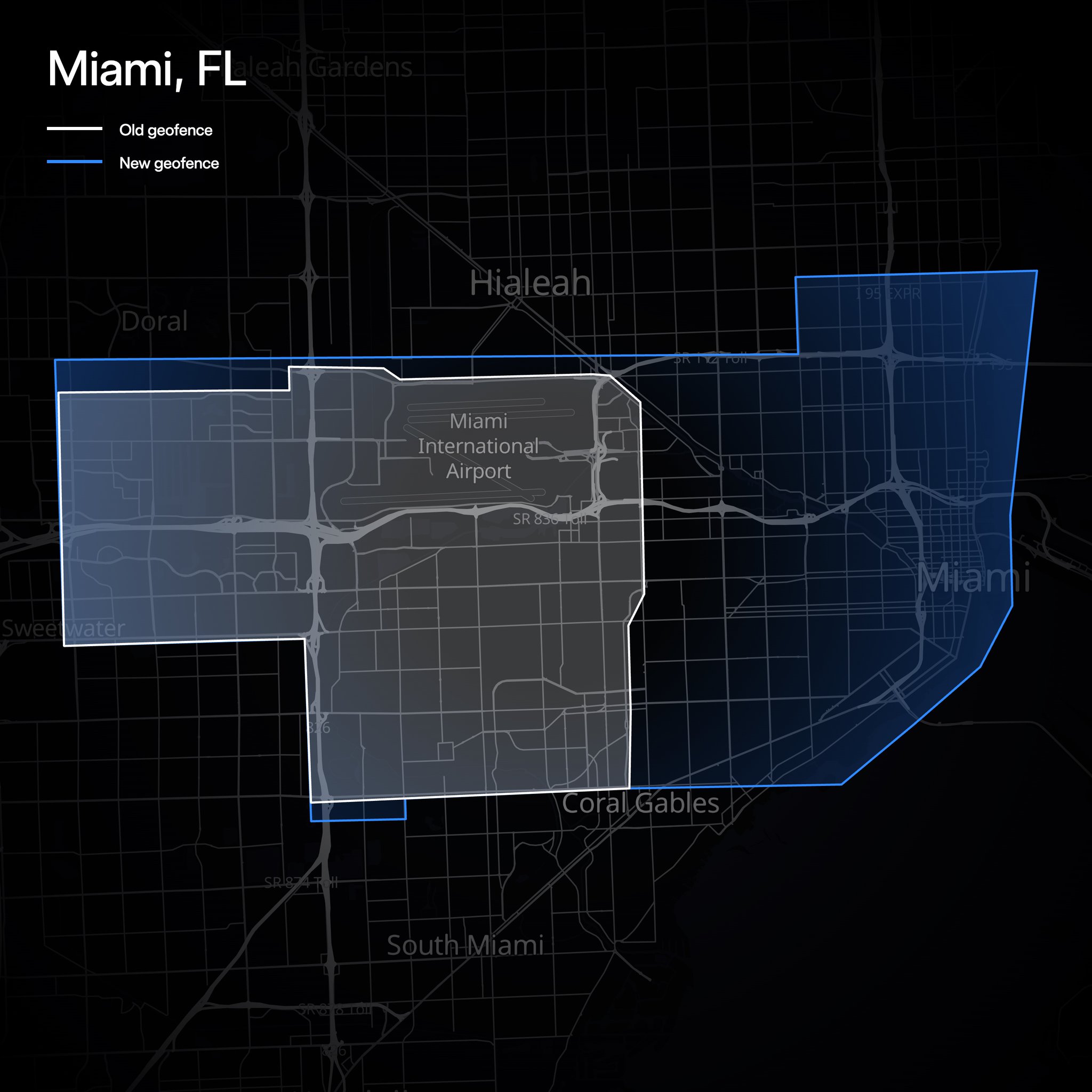
Tesla's Robotaxi service has reached Downtown Miami.
Early on Monday, Tesla's official Robotaxi account posted a new service map for the city with a short message: "Now serving more of Miami 🌴" (see the post). The map shows the old geofence in white, wrapped around Miami International Airport and West Miami, and a new blue boundary that runs east across the city to Downtown Miami and the edge of Biscayne Bay.
Tesla did not say how much ground the new map covers. Community trackers moved quickly to measure it. Robotaxi Tracker (@robotaxitracker) and The Tesla Newswire (@TeslaNewswire) both put the expansion at about 28 square miles, a gain of 92.4 percent. By The Tesla Newswire's estimate, the zone has grown from about 31 square miles to about 59, or from roughly 80 square kilometres to 152.
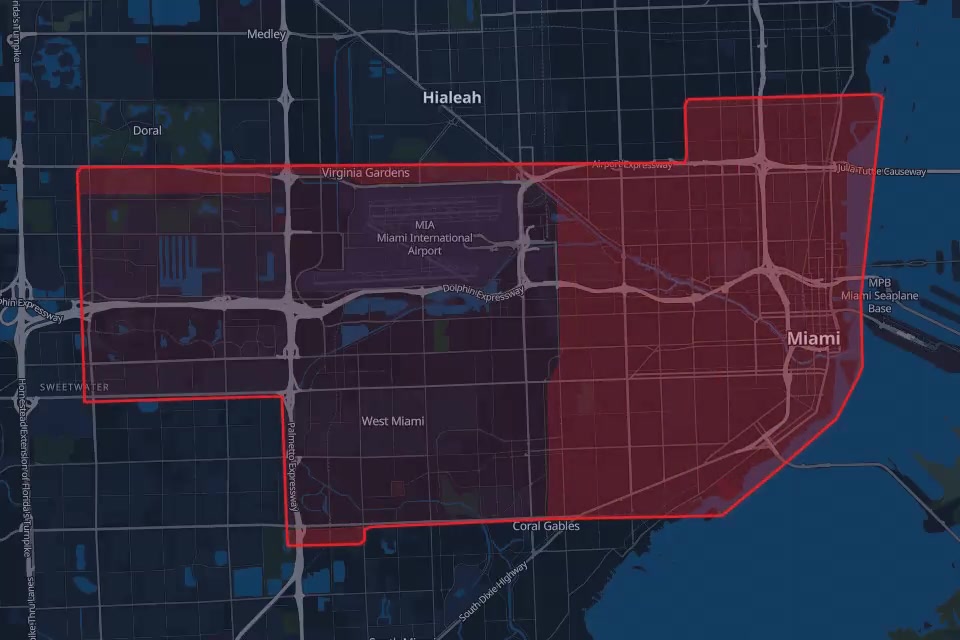
That nearly doubles the area Miami riders can travel, and it changes the kind of trips the service can handle. Until now, Tesla's Miami Robotaxi lived largely west of the city centre. The new boundary takes in the business district, where offices, hotels and nightlife generate a steady stream of short rides, and it brings Tesla into neighbourhoods where Waymo has been offering public rides since the spring.
Riders and Tesla watchers in South Florida greeted the map with enthusiasm. "Tesla Robotaxi geofence has expanded massively in Miami. Now includes downtown and Brickell!" wrote Zack (@BLKMDL3) within minutes of Tesla's post.
Diego Suarez (@sincitytesla) pointed to the reach along the water. "The geofence extends much further east, and now includes some of the coastline, in addition to Downtown Miami & the Miami Design District!" he wrote.
Miami has been part of the Robotaxi network since 3 July, when Tesla opened rides there as its first market outside Texas and California. The launch zone covered West Miami and the area around the airport, and Tesla has added to it since. Earlier this month, Sawyer Merritt measured the Miami map at 31 square miles, larger than Orlando at 26 and Tampa at 24, but far behind the big Texas zones.
The Miami move caps a fast stretch for the programme. Tesla launched Robotaxi in San Antonio on 9 November with its biggest launch area yet, the same day it grew its Austin zone by 63 percent to 443 square miles. Three days later the service began running 24 hours a day in all eight of its cities, Miami included, so the larger downtown map is open around the clock from day one.
The expansion also gives Tesla a clearer picture of how its software handles one of the most demanding driving environments in the South: tight downtown grids, heavy foot traffic and drawbridges over the Miami River. Every mile driven there feeds the same software that runs the rest of the fleet.
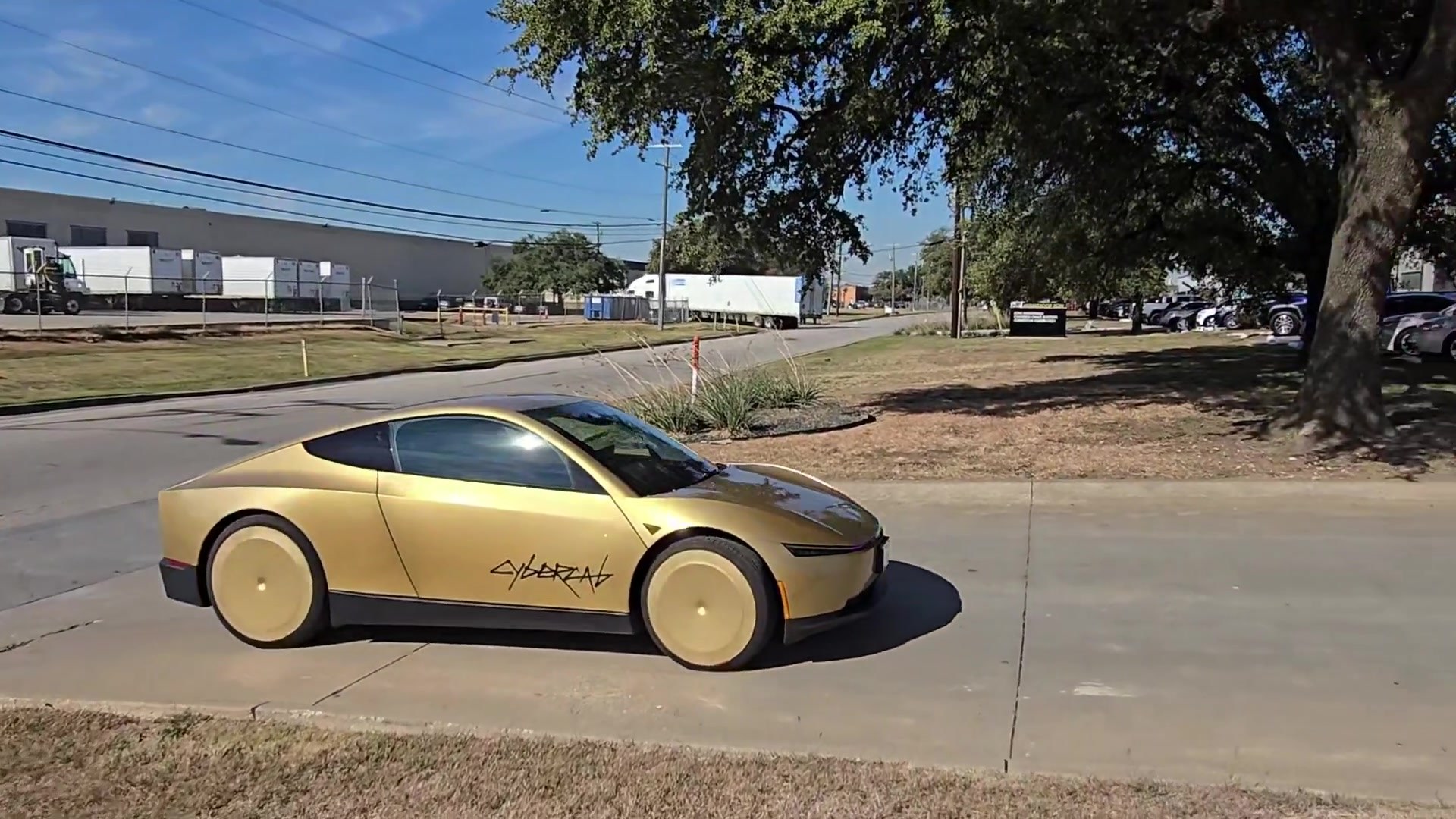
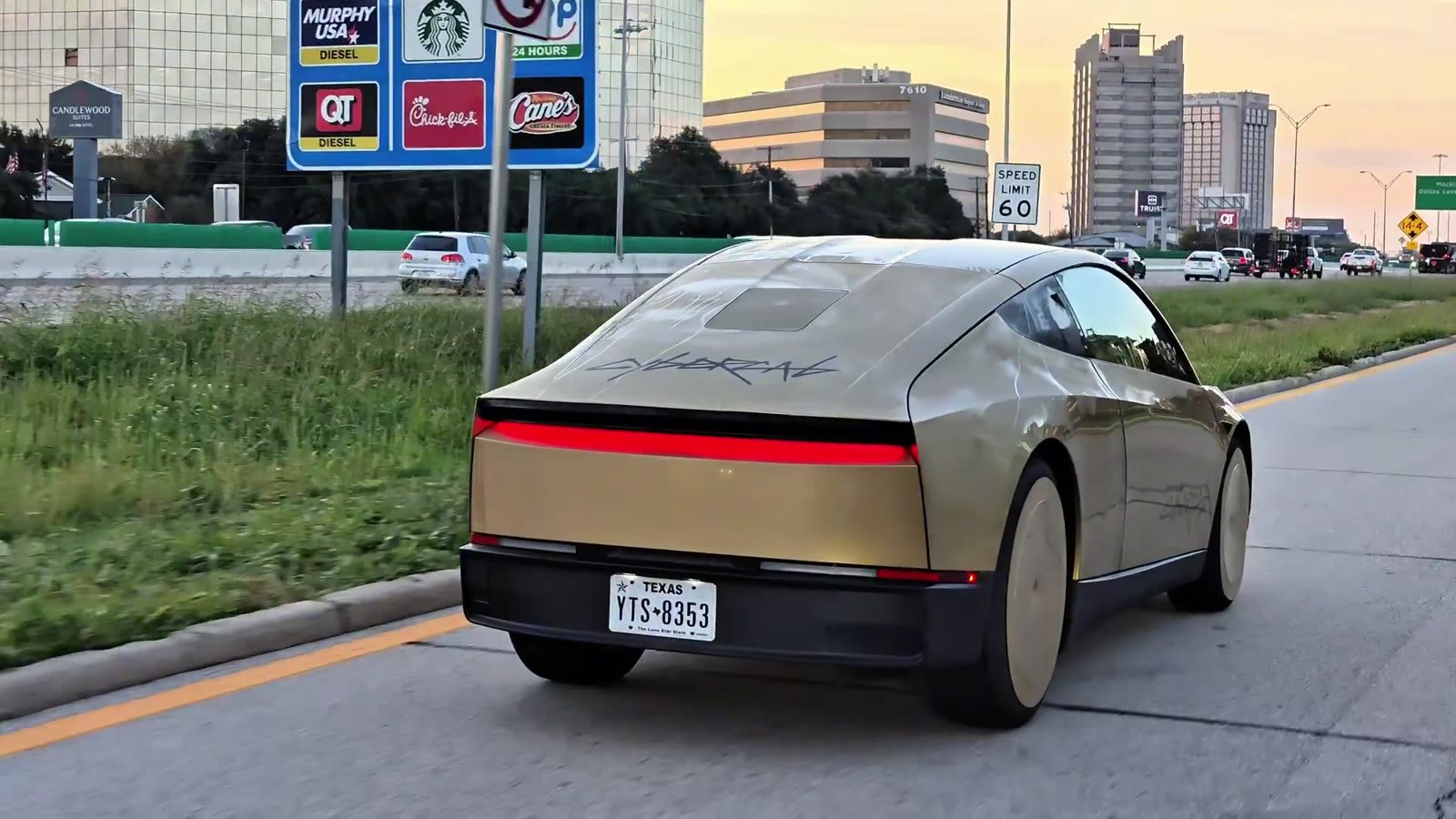
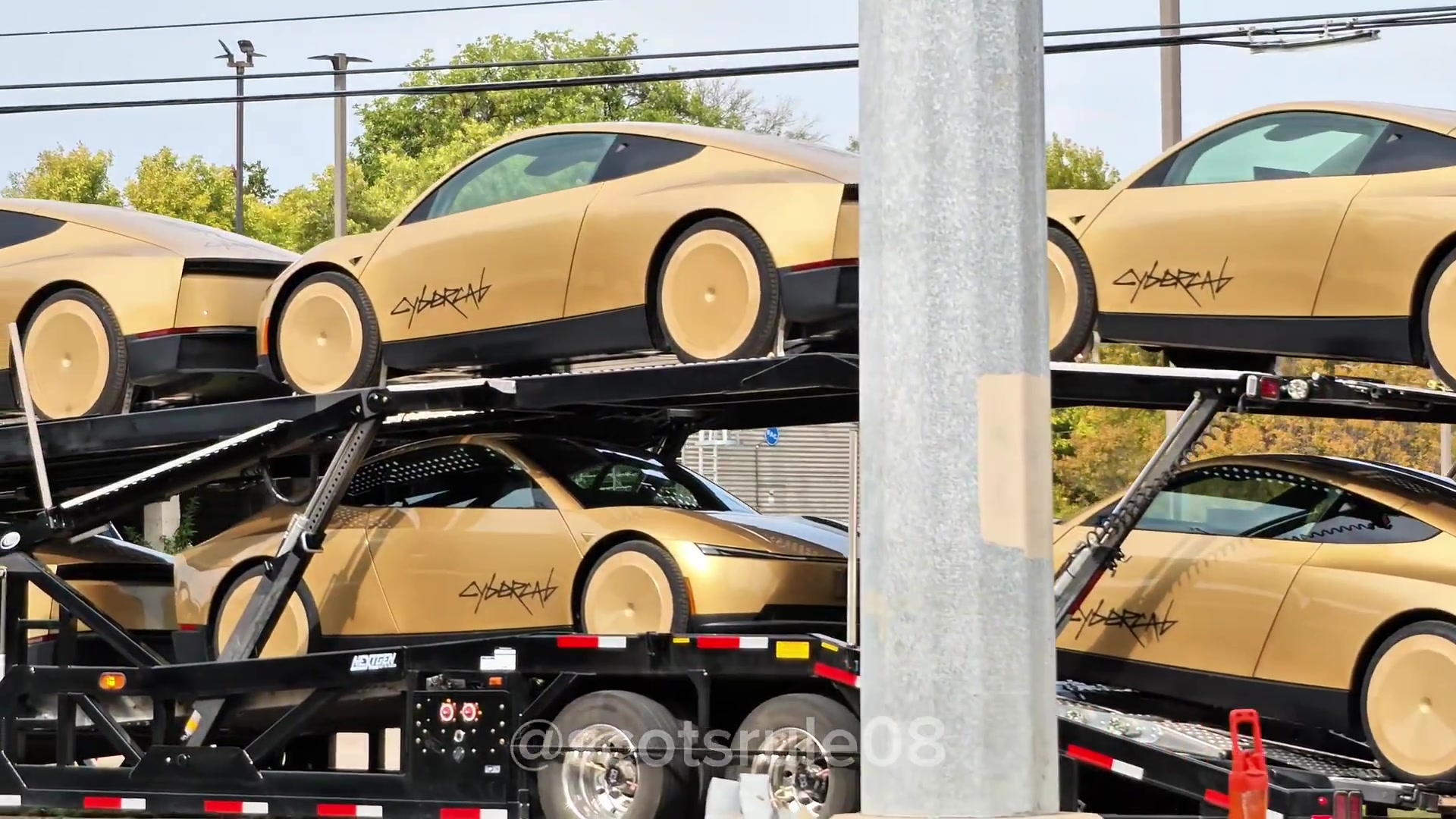
What comes next is likely more of the same. Miami Beach, across the bay, remains outside the map, as does most of Coral Gables. Orlando and Tampa are still working from smaller zones, and Tesla has grown its Texas maps in large jumps. Purpose-built Cybercabs have also been spotted testing on Miami streets in recent weeks, according to Robotaxi Radar.
For now, a driverless Tesla can take riders from the airport to the heart of downtown, and the map is nearly twice the size it was on Sunday night.
Now serving more of Miami
About the Author
Harper Quinn reports on Robotaxi launches, fleet operations, and breaking autonomous vehicle developments.