ROBOTAXI · Robotaxi
Miles Ahead: Musk Says Cybercab Will Drive Most Passenger Miles Wherever The Law Allows
Answering a skeptic's question about Tesla's taxi ambitions, Elon Musk said on 10 November that Cybercab will carry a majority of all passenger miles in any jurisdiction that does not prohibit it.
Harper Quinn, Live desk
Published · 3 min read
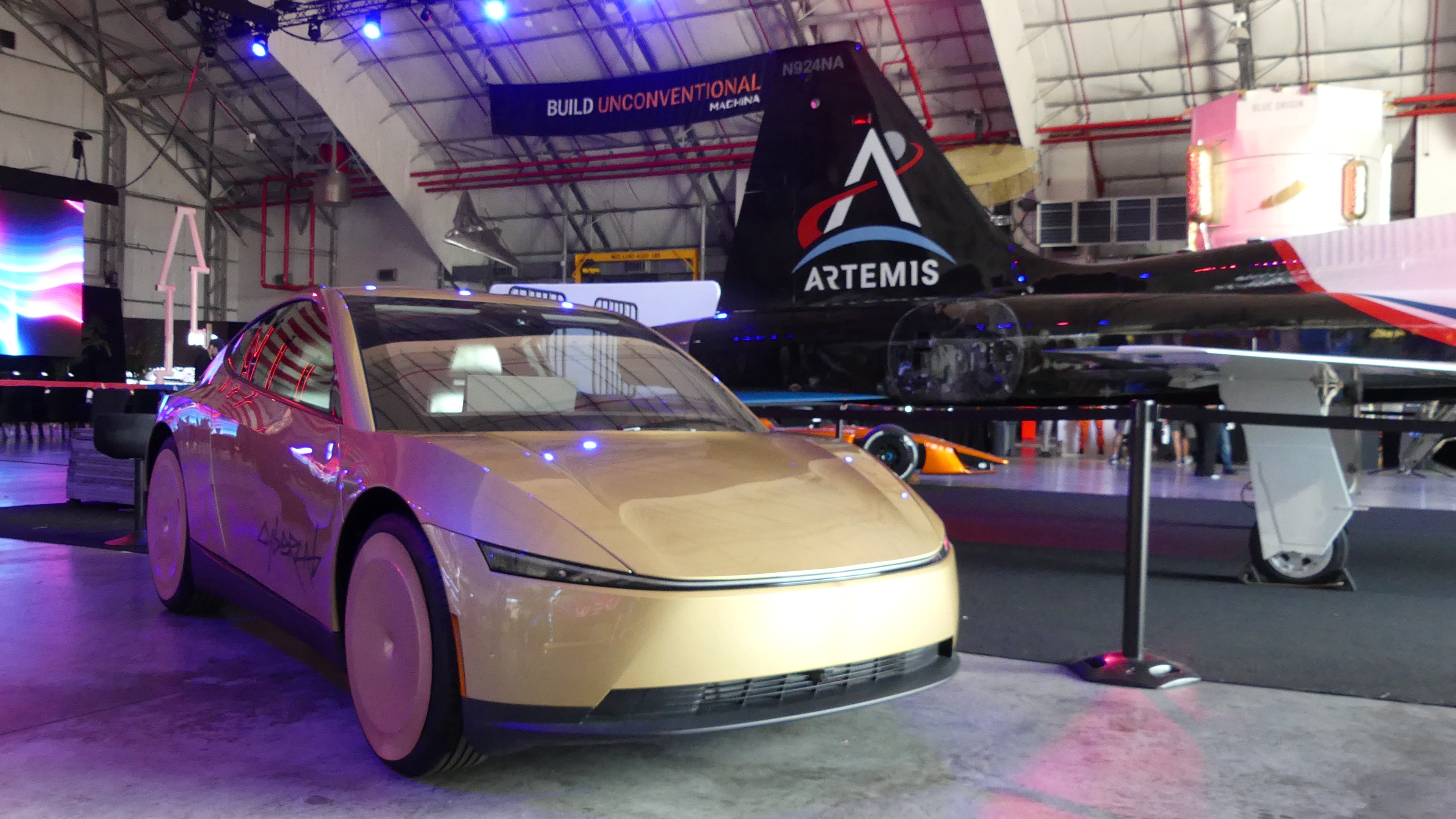
Elon Musk has never been shy about the scale of his robotaxi ambitions. On Tuesday, 10 November, he put a number on it, or close to one. "Cybercab will do a majority of all passenger miles in any jurisdiction where it is not prohibited by law," the Tesla chief executive wrote on X. "Obvious to anyone with eyes and a brain."
The remark closed out a debate that began a day earlier. Carl Hancock, chief executive and co-founder of Gravity Forms, asked Tesla supporters to help him understand how turning Tesla into a taxi company makes sense. The five largest ride-hailing companies in the world, he wrote, have a combined 16 million or so drivers, about twice the number of Teslas on the road worldwide, and a market value of $175 billion.
Palmer Luckey, the founder of Oculus and the defence technology company Anduril, offered a one-line rebuttal. "Take that ridesharing revenue ($150B+) and subtract the cost of paying 16,000,000 drivers," he replied. "That is the bet."
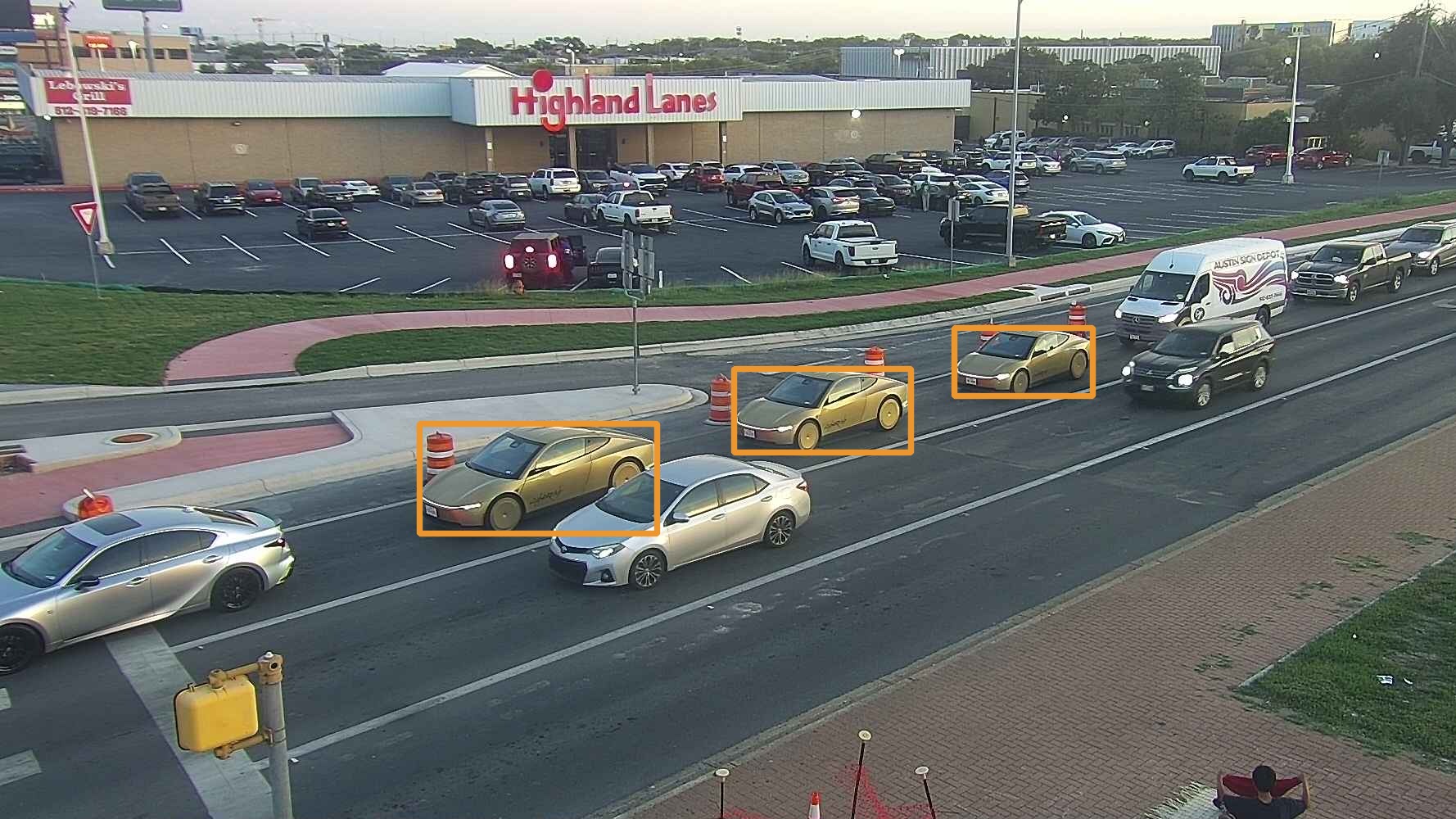
Mr. Musk, replying to Mr. Luckey, went further. His claim is not only that a driverless vehicle can take a share of today's ride-hailing market, but that Cybercab, a two-seat vehicle built without a steering wheel or pedals, will account for most passenger miles travelled wherever regulators allow it to operate. That would include trips people now make in their own cars.
The logic rests on the point Mr. Luckey made. In a conventional ride-hailing business, most of each fare goes to the person behind the wheel. Remove the driver and the cost per mile falls sharply, which in turn can pull down prices to a level that competes with owning a car. Mr. Musk's caveat, "where it is not prohibited by law", is a reminder that regulation, rather than technology, is the gate he expects to matter most.
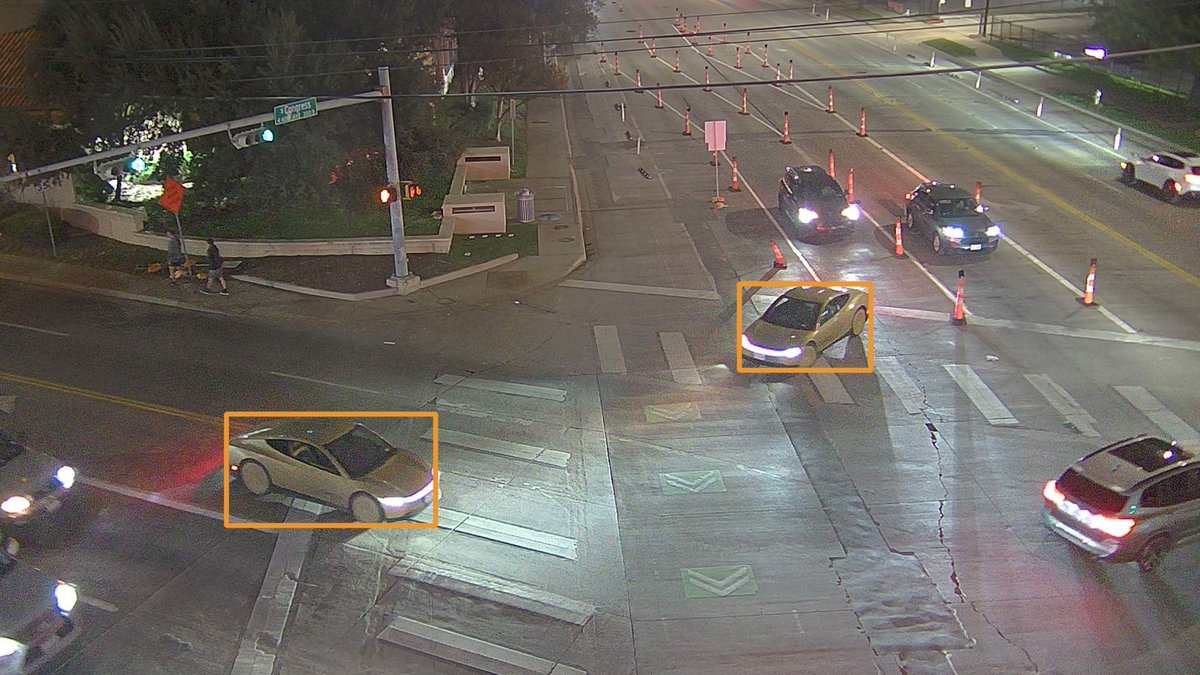
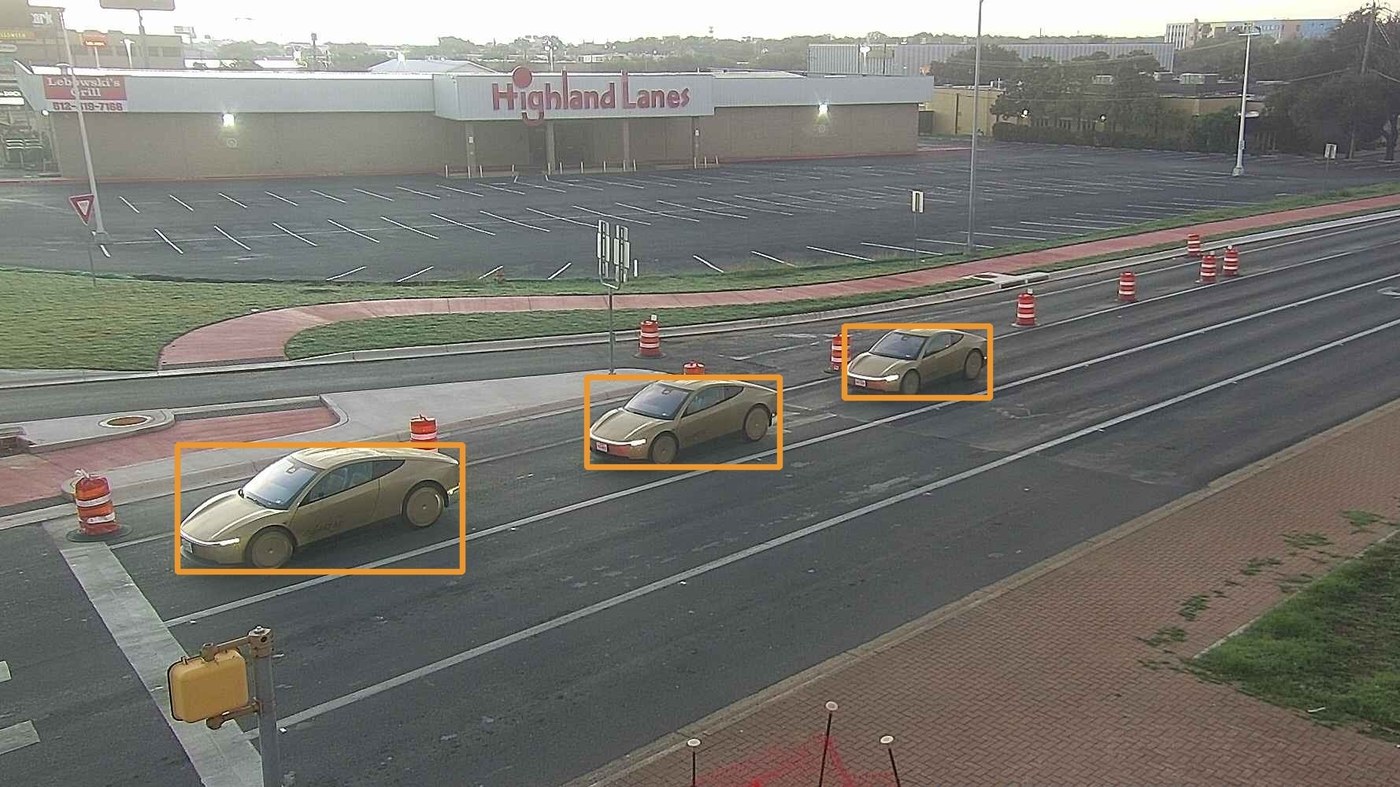
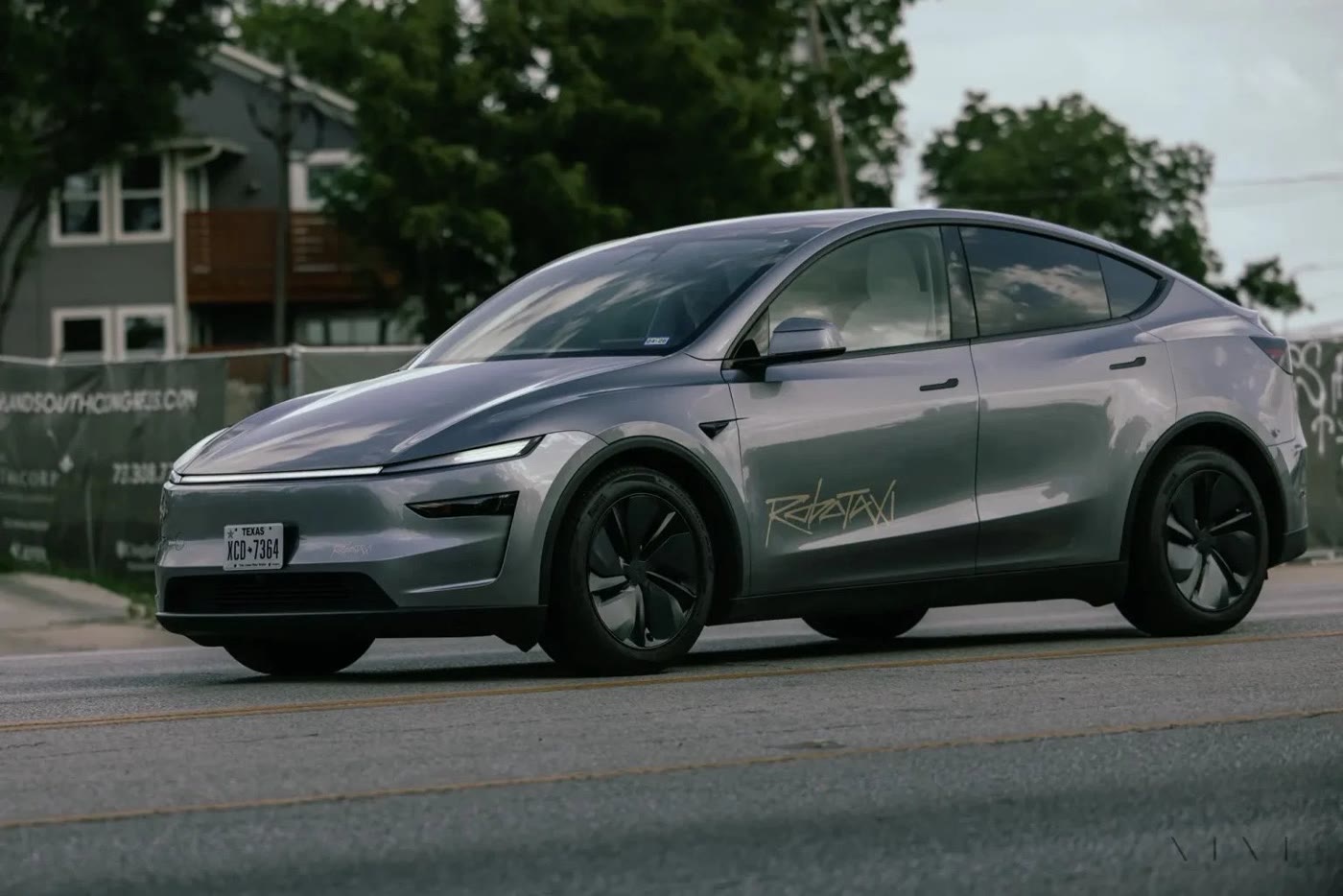
The service is still early. Cybercab rides are available only in Austin so far, but Tesla's wider Robotaxi network is moving quickly. On Monday it launched in San Antonio, its eighth city, and expanded its Austin zone to about 443 square miles. Mr. Musk has also said Tesla will wind down Cybertruck production at Giga Texas in mid-2027 to make room for more Cybercab output.
Whether Cybercab ever carries most of a city's passenger miles will be settled street by street and statehouse by statehouse. Mr. Musk's message on Tuesday was that he sees no other outcome.
Cybercab will do a majority of all passenger miles in any jurisdiction where it is not prohibited by law.
About the Author
Harper Quinn
Harper Quinn reports on Robotaxi launches, fleet operations, and breaking autonomous vehicle developments.