Latest · Breaking
Buy the Cab, Bank the Mile: Tesla Recruits Cybercab Fleet Buyers
ARK's Tasha Keeney flags Tesla's Robotaxi interest form for commercial Cybercab fleets, a jump to one million unsupervised miles, and Austin fares already undercutting Model Y and Uber.
AUSTIN, Texas - Tesla is no longer only selling the ride. It is recruiting the buyers who want to own the cars.
That is the news Tasha Keeney put in front of investors this week. Keeney, ARK Invest's director of research for autonomous technology and robotics, wrote that Tesla has posted a Robotaxi interest form aimed at commercial fleet buyers. In the same note she flagged a jump in unsupervised miles and Austin fares that already undercut Tesla's Model Y robotaxis and Uber.
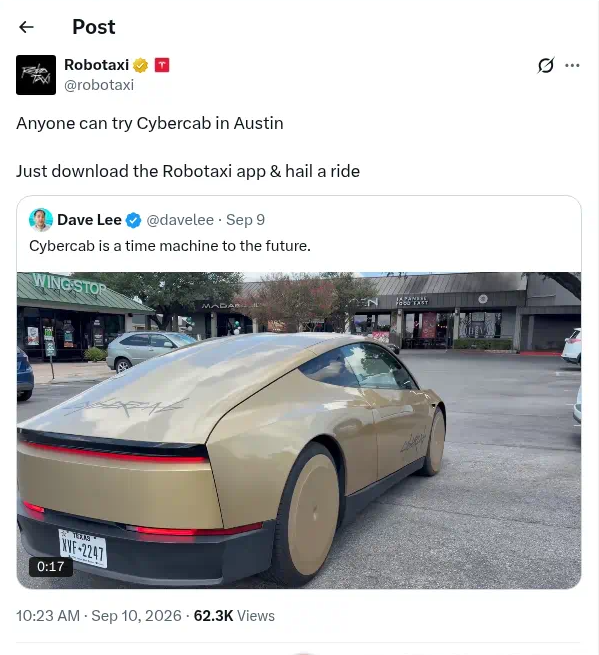
The form is the first public channel Tesla has opened for Cybercab fleet sales. It went up last week as Tesla introduced the two-seat, purpose-built cab to its Austin fleet and, the following evening, started charging for rides.
Keeney has argued for years that third parties will own and operate most robotaxi fleets. ARK's Big Ideas 2026 report places fleet owners in the center of that value chain. Tesla would build the cars and run the software. Outside capital would buy the metal and take the operating risk. The new form is the first sign Tesla is willing to test that model.
Tesla has not published a price, a revenue split, or a minimum fleet size. Completing the form is a request to be considered, not a purchase order. The company's support page tells commercial buyers to fill it out and wait for a representative. "If you are interested in purchasing a fleet or an individual Cybercab vehicle for commercial purposes, fill out the form and a representative will contact you," the page says.
The mile count moved while the form sat on the site. Tesla said the Robotaxi fleet reached one million unsupervised miles, up from 380,000 reported on the second-quarter earnings call in late July. That is a 2.6 times increase in six weeks, Keeney wrote. Most of those miles were driven by Model Y robotaxis in Texas and Florida. The Cybercab itself entered paid service only last week.
Then the fare. Keeney wrote that, on a 15-minute Austin ride, Cybercab prices are running about 40 percent below a Model Y robotaxi in Tesla's app and about 50 percent below Uber. Wait times are longer. The discount is the point of the vehicle.
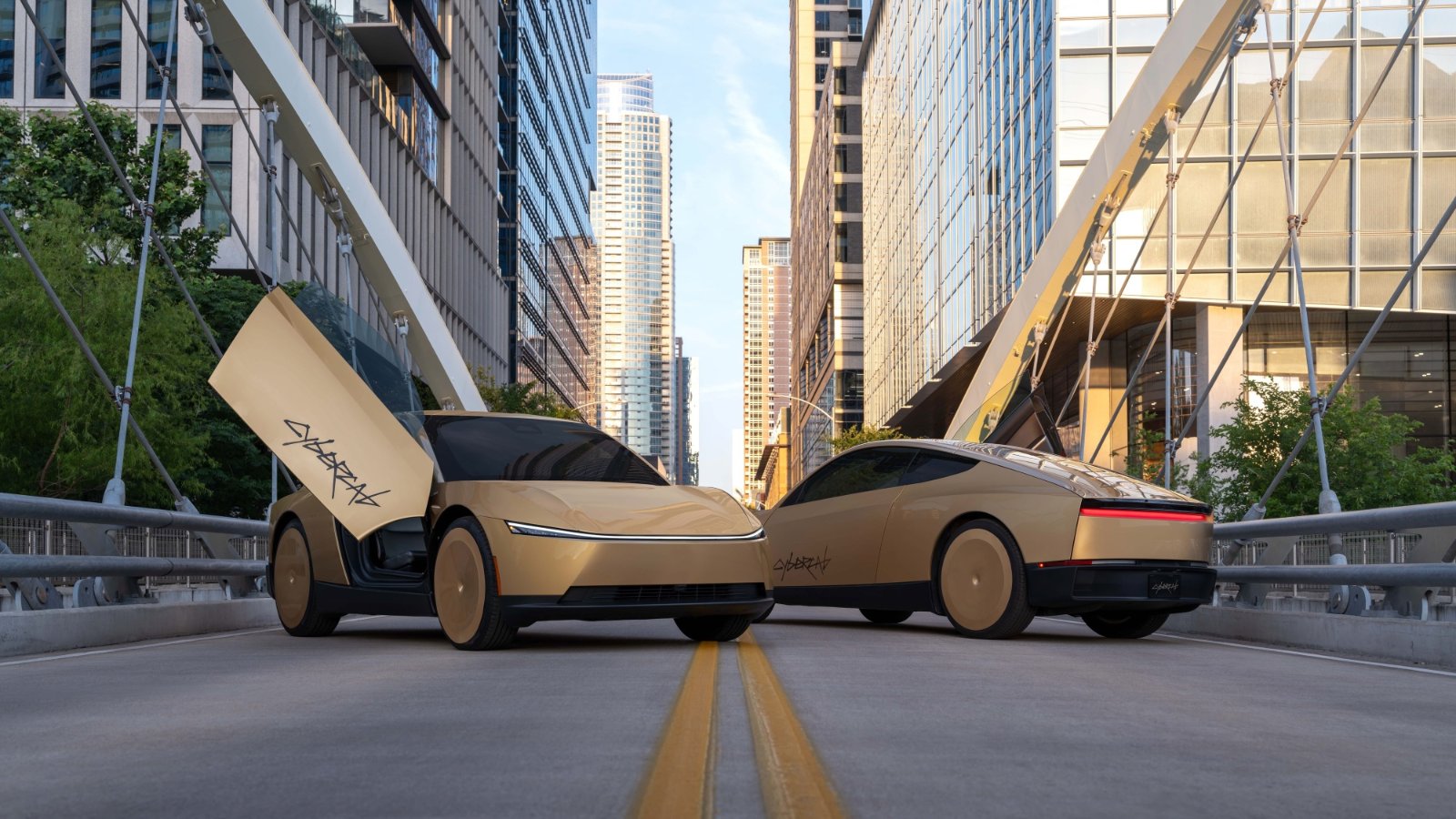
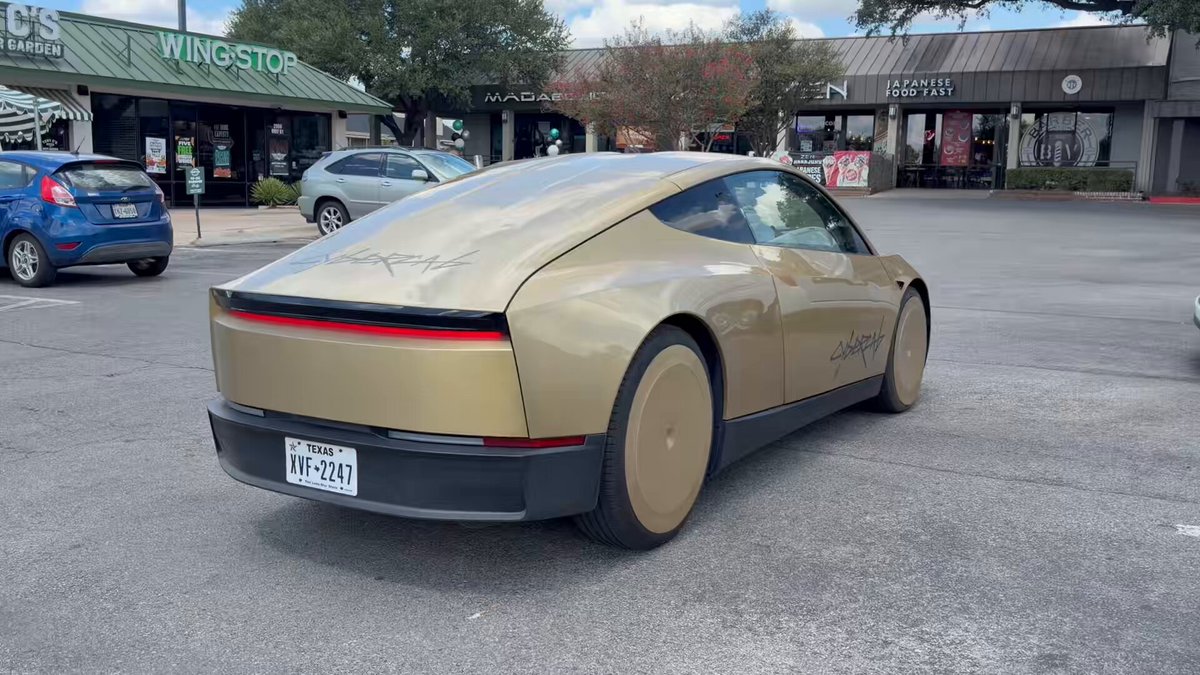
Cybercab is a two-seat coupe with no steering wheel and no pedals. It is the first Tesla built with the company's Unboxed process, which assembles vehicle modules in parallel instead of sending a chassis down a conventional line. ARK, citing Tesla, said the process cuts the size of the line by 50 percent while raising output. The cab uses no rare earth metals in its motor. Elon Musk has said that combination is "extremely difficult to achieve" while holding range. It is also the first Tesla with fully electronic brake-by-wire and no hydraulic brake fluid, with an actuator at each caliper.
Keeney called the Cybercab central to scaling Tesla's robotaxi service at competitive prices. In ARK's view it is also central to turning autonomous ride-hail into a multi-trillion-dollar market. At scale, the firm projects robotaxis could run as low as 25 cents a mile, about one-tenth the cost of a human-driven ride-hail trip and about one-third the cost of owning a personal car. That is an ARK forecast, not a Tesla figure.
Tesla's Texas robotaxi fleet is still mostly Model Ys. State records listed about 45 Cybercabs at launch, later public tallies closer to 49, inside a broader Tesla robotaxi count of about 420 vehicles in the state. Rides remain limited to parts of Austin. Round-the-clock service is not yet on the clock.
Eric Earley, Tesla's Cybercab engineering lead, said the interest queue is already long. "We have had 10s of thousands of submissions via the webform and so the team is actively working through these," he wrote on X. He said it would take time to match submissions with near-term and mid-term plans.
None of that makes the form a signed order book. It does make the pitch to fleet buyers concrete. The cab is cheaper to ride in than the Model Y it is meant to replace. The factory process is built for volume. The mile counter is compounding. For operators filling out the form, the offer is the one Keeney described. Buy the cab. Bank the mile.
On a 15-minute Austin ride, Cybercab prices are running about 40 percent below a Model Y robotaxi and about 50 percent below Uber.
Harper Quinn is a senior correspondent covering Robotaxi launches, Austin fleet ops, and the day-to-day of Cybercab rides. Previously reported transport and consumer tech for independent trade titles; based in Austin.