DID-YOU-KNOW · Did you know
The Cheapest Mile on Paper: EPA Puts Cybercab at 165 Watt-Hours
EPA testing put Cybercab at 165 watt-hours per mile, the lowest production figure on the agency's books, with about 293 corrected miles from a 47.6 kilowatt-hour pack.
Riley Cho, Features
Published · 3 min read
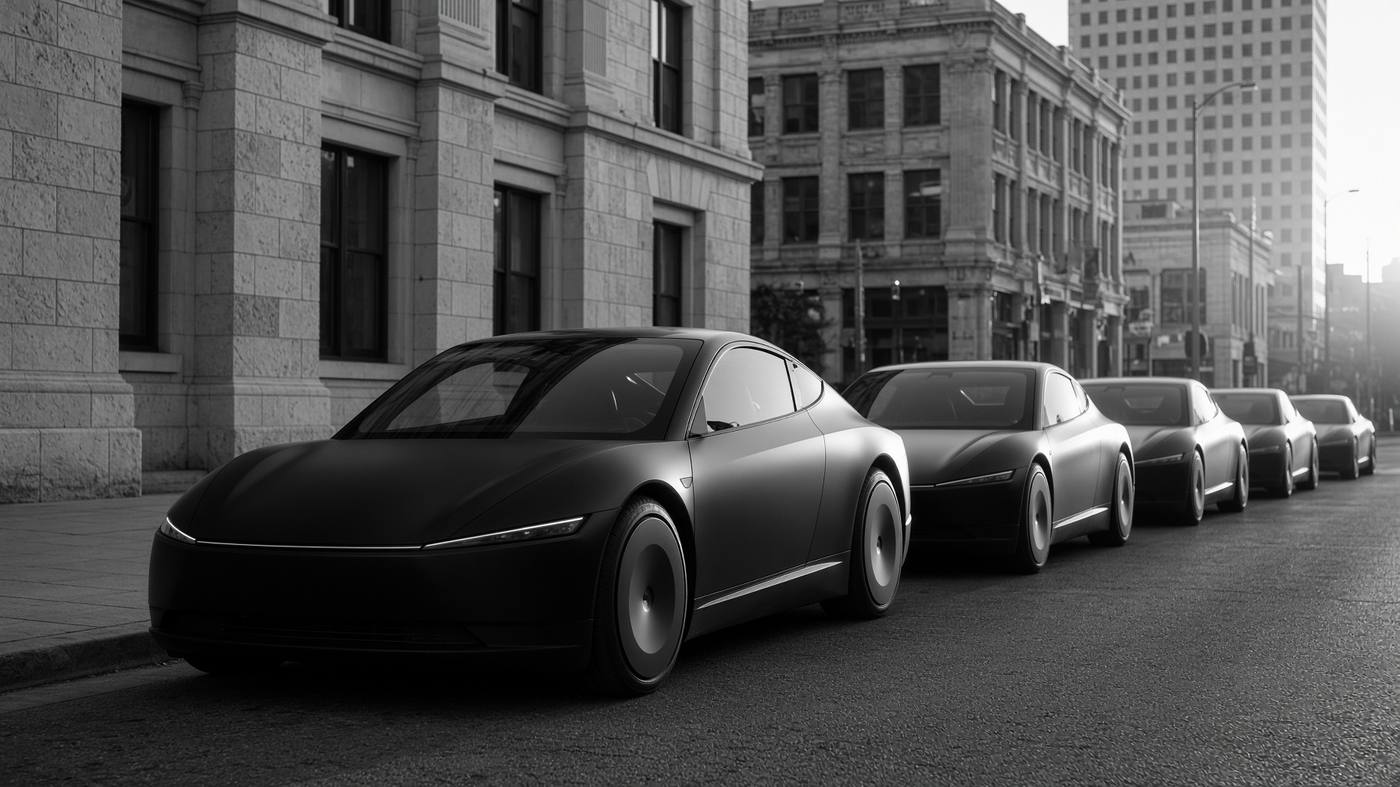
AUSTIN, Texas - Here is the Did You Know that belongs on every efficiency chart: Cybercab is the most efficient production car the U.S. Environmental Protection Agency has certified.
In EPA testing the coupe returned 165 watt-hours per mile, the lowest figure the agency has on record for a production vehicle. May filings put curb weight at about 3,113 pounds, pack size at 47.6 kilowatt-hours, and output at 219 horsepower through a single front motor. Unadjusted combined range sat at 418 miles. After the agency's usual correction, the label lands near 293 miles.
That is the fact in one glance. Not a slogan. Not a concept deck. A federal certificate that says this purpose-built robotaxi sips less energy per mile than any other production car EPA has stamped.
Why it matters for riders is simple math. A lighter cab with a smaller pack that still clears nearly 300 corrected miles can run more revenue hours between charges. Fleet operators price the mile. Investors price utilization. Regulators price energy intensity. Cybercab's EPA number speaks to all three without asking anyone to take Tesla's word for a marketing claim.
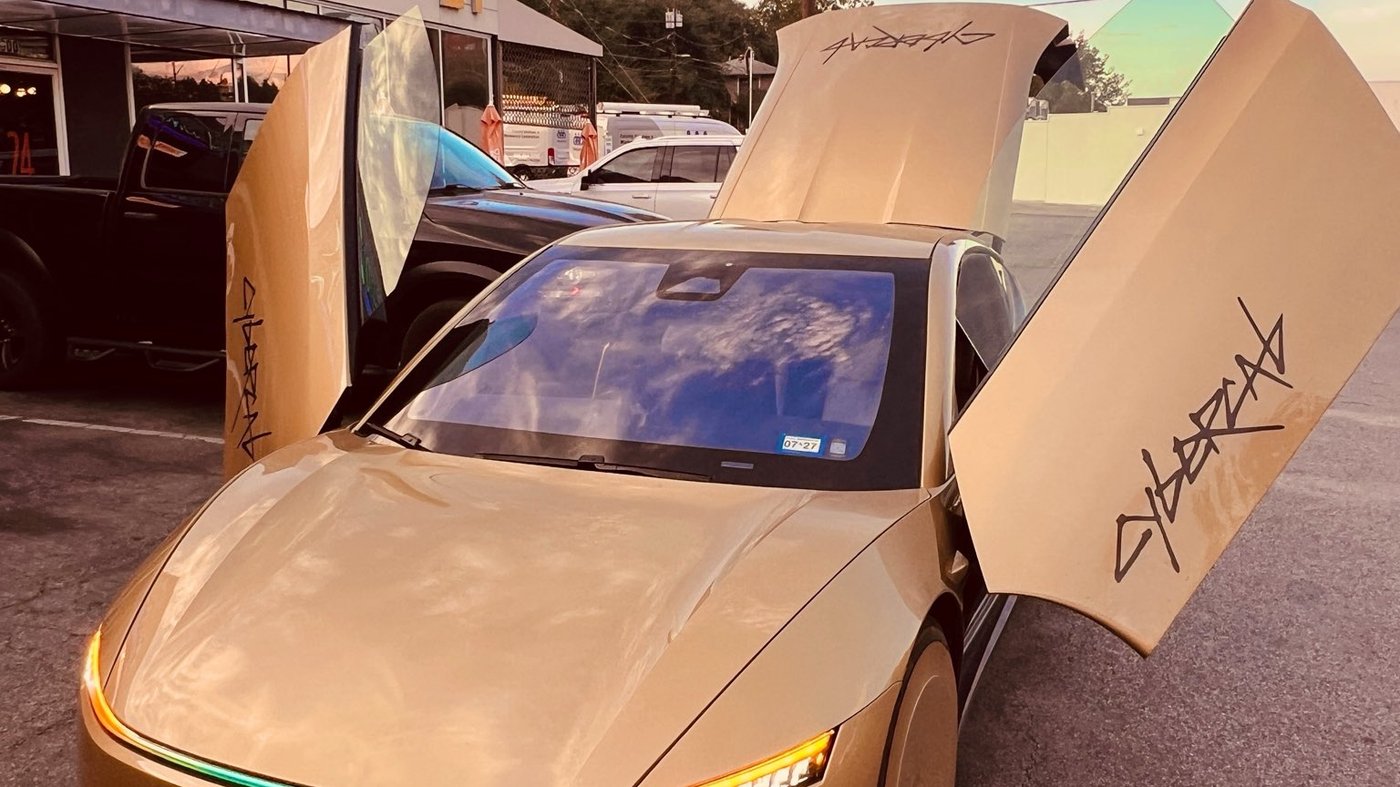
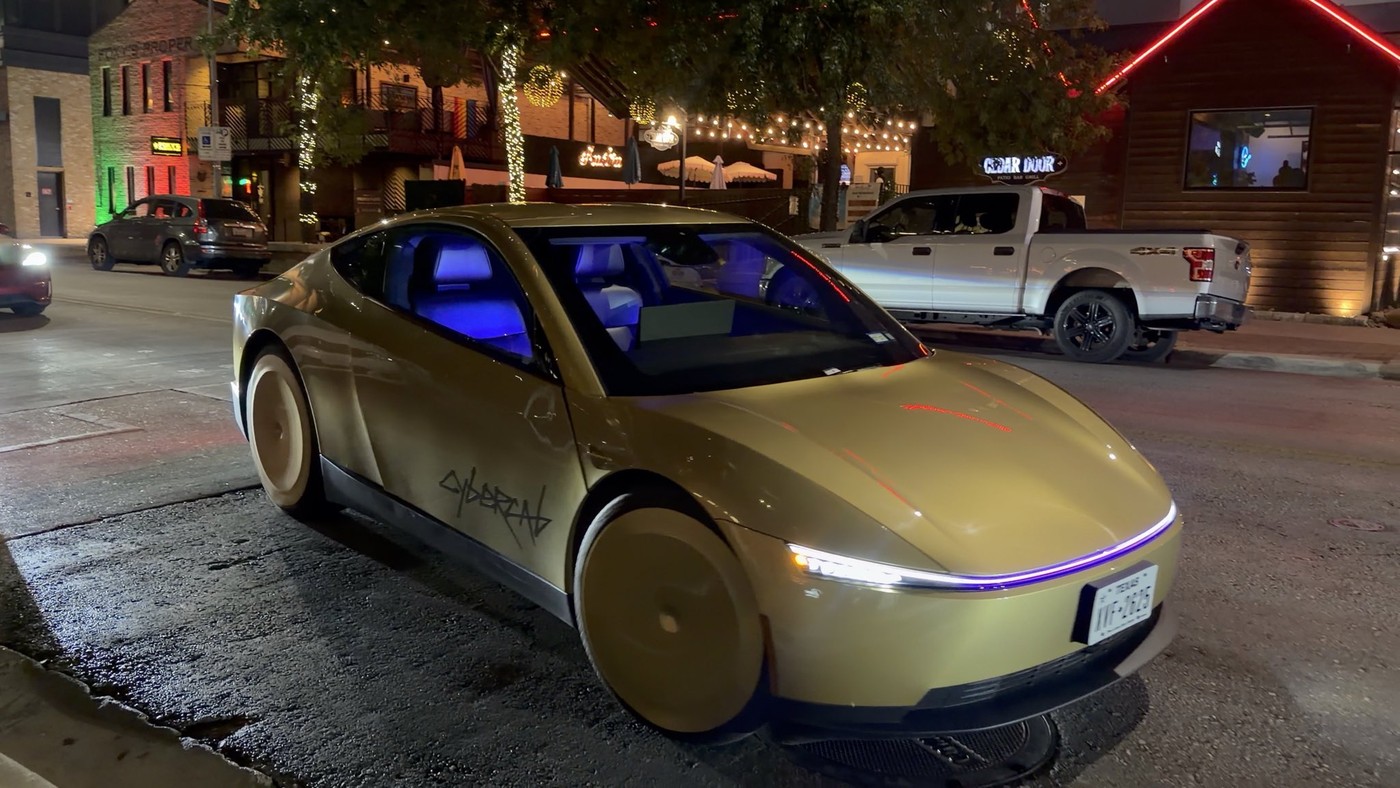
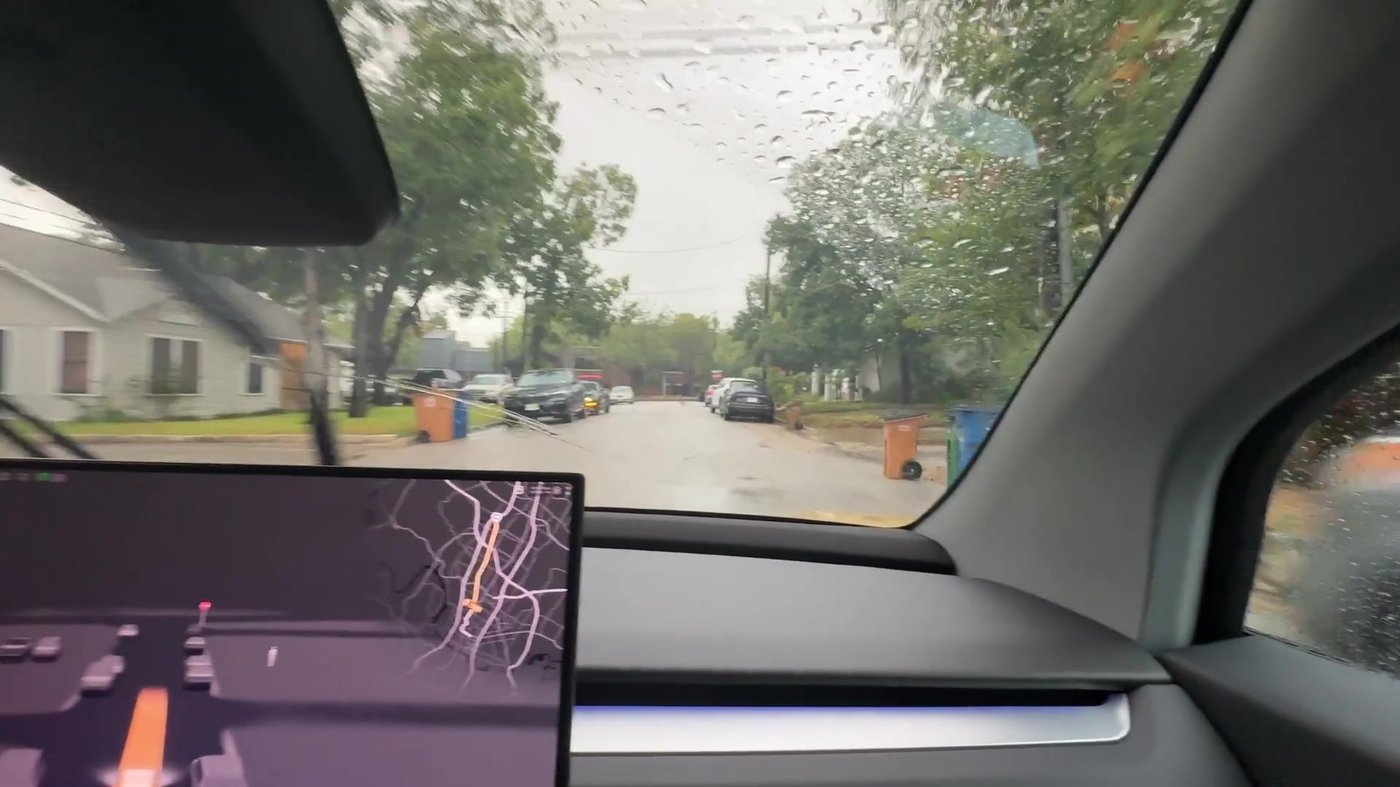
The certificate covers emissions and efficiency, not autonomy. Introduction into commerce was listed for late May on the filing path this desk has already tracked. Austin riders who can already hail a Cybercab when one is free are sitting in the same hardware that cleared that test. The cheap-mile story and the live-hail story are two sides of one product.
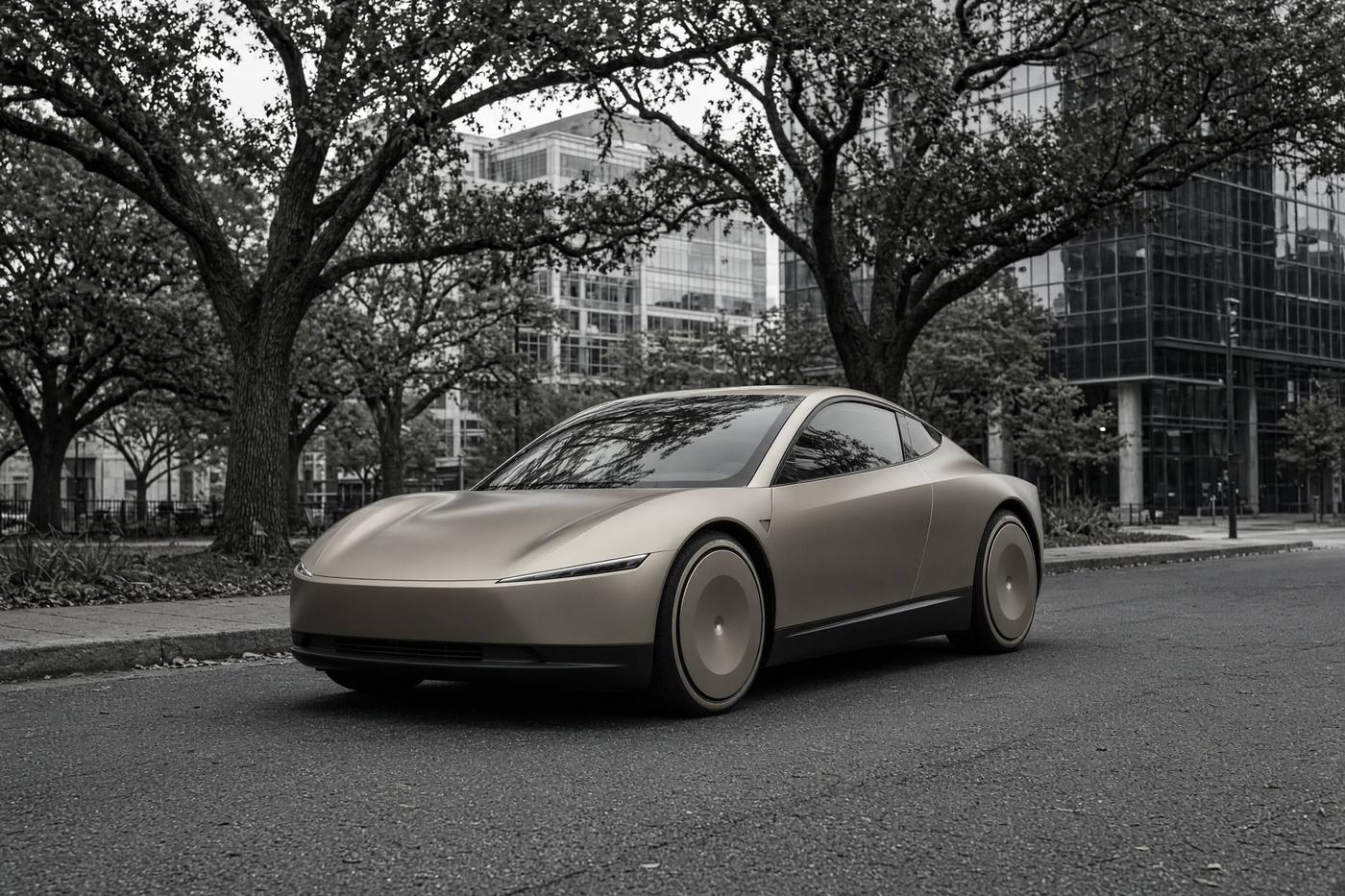
Compare the hardware briefly and the record holds. A Model 3 Standard Range sits closer to 3,860 pounds with a larger pack for a family car mission. Cybercab was designed as a high-utilization two-seat taxi: less mass to move, a front-drive layout that is a first for a Tesla production car, and an energy figure that undercuts every prior EPA production entry. Front-wheel drive and the light curb weight are part of how the number was earned, not footnotes.
Keep the boundaries honest. EPA efficiency does not invent a national fare map. It does not mean every city on a sighting list can sell unsupervised rides tonight. It means the car Tesla is building for dense Robotaxi duty is, on federal paper, the thriftiest production EV mile the agency has measured. When analysts talk about 25-cent miles as a long-run target, this certificate is the hardware half of that argument.
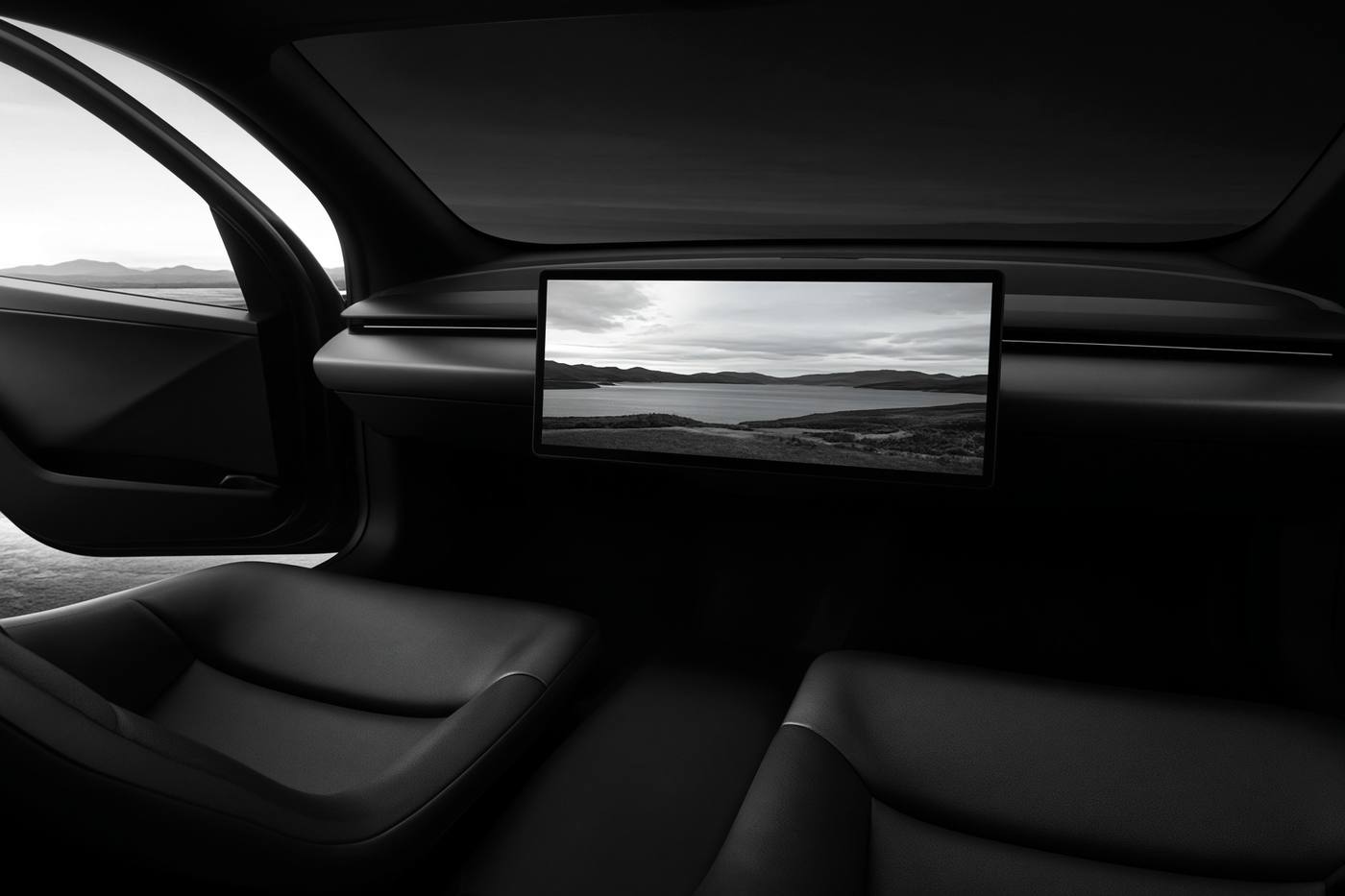
For readers who only meet Cybercab in curb photos or Asia-Pacific display halls, pocket this line: 165 watt-hours per mile, lowest on the EPA production list, about 293 corrected miles of range, 47.6 kilowatt-hour pack. That is the Did You Know. The rest of the week's wire - factory hiring in Austin, state policy fights, China store exhibits - sits on top of a car that already won the efficiency contest in Washington's lab numbers.
Riley Cho covers Cybercab product details and the small facts that change how a ride feels. Based in Austin.