PRODUCTION · Production
Ten Seconds a Cab: Tesla’s Unboxed Line Is Built for Speed
Tesla's public Unboxed targets put a Cybercab on a clock under 10 seconds. A teslayoda clip shows 36 Cybercab production roles from casting to general assembly. Those figures are Tesla's, not independent studies.
Jordan Hale, Production
Published · 3 min read
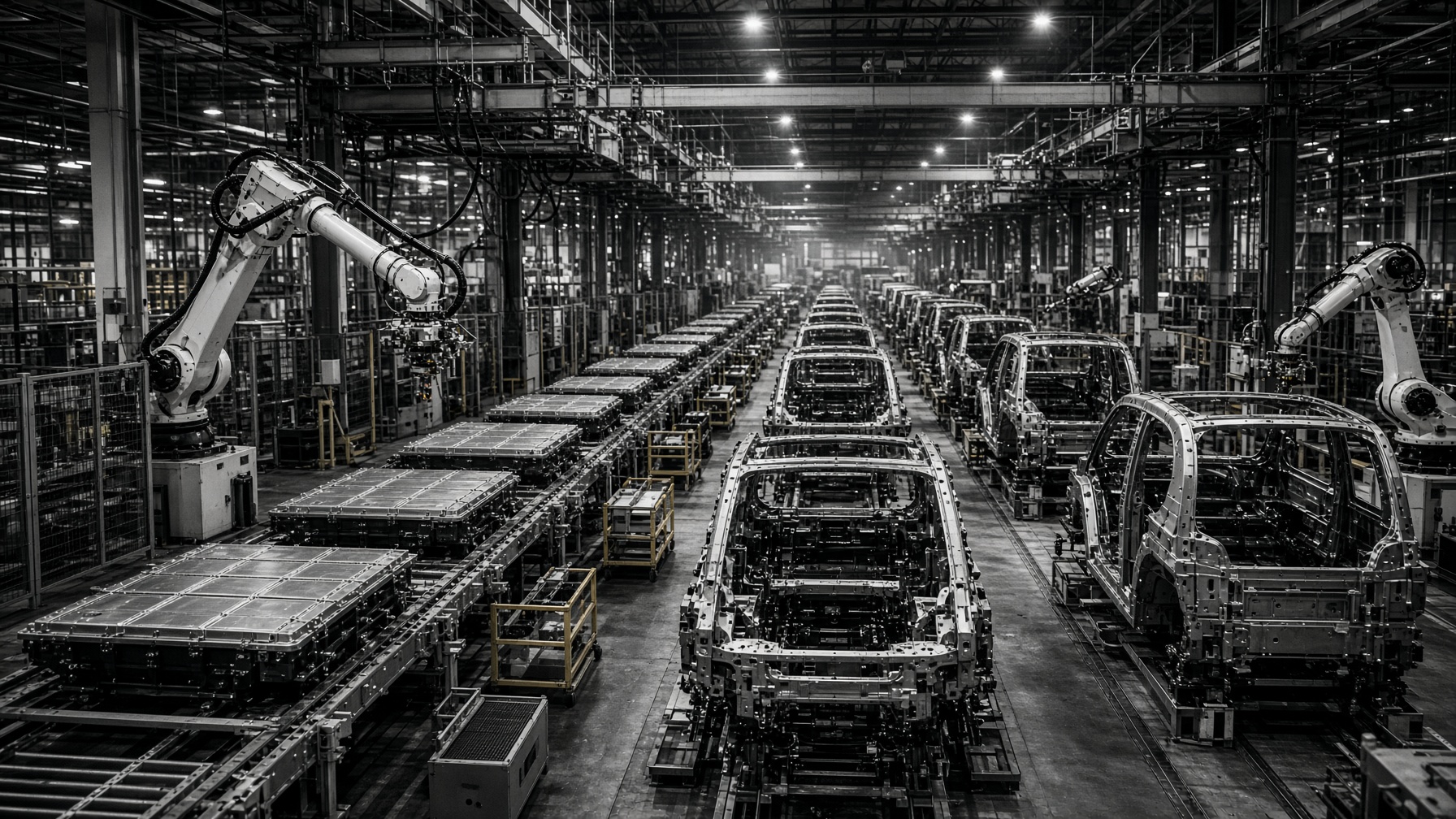
AUSTIN, Texas - Tesla's Unboxed Cybercab line is built around a public target: a finished cab on a clock measured in seconds, not minutes.
Elon Musk has said the company is aiming for a cycle time under 10 seconds, with a theoretical floor near 5 seconds. Those numbers are Tesla's. They are not an independent time-and-motion study. They describe the speed the Unboxed architecture is designed to hit at scale.
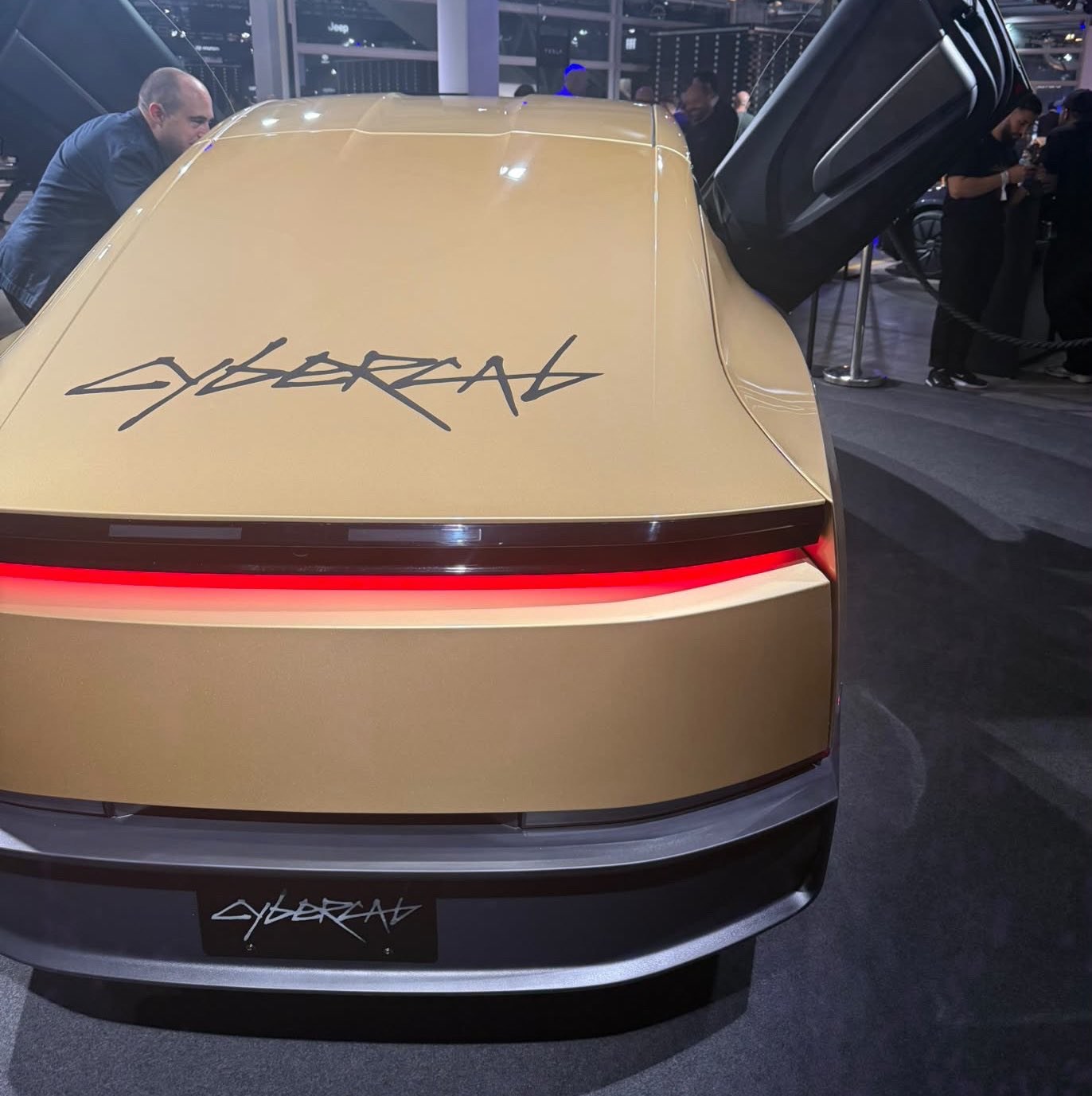
The day's production signal is hiring, not a new stopwatch. @teslayoda posted that Tesla is ramping Cybercab production with 36 roles from casting to general assembly. The clip is a Tesla careers listing. It is still a volume tell: the Unboxed line is staffing up around the same two-seater already taking fares in Austin.
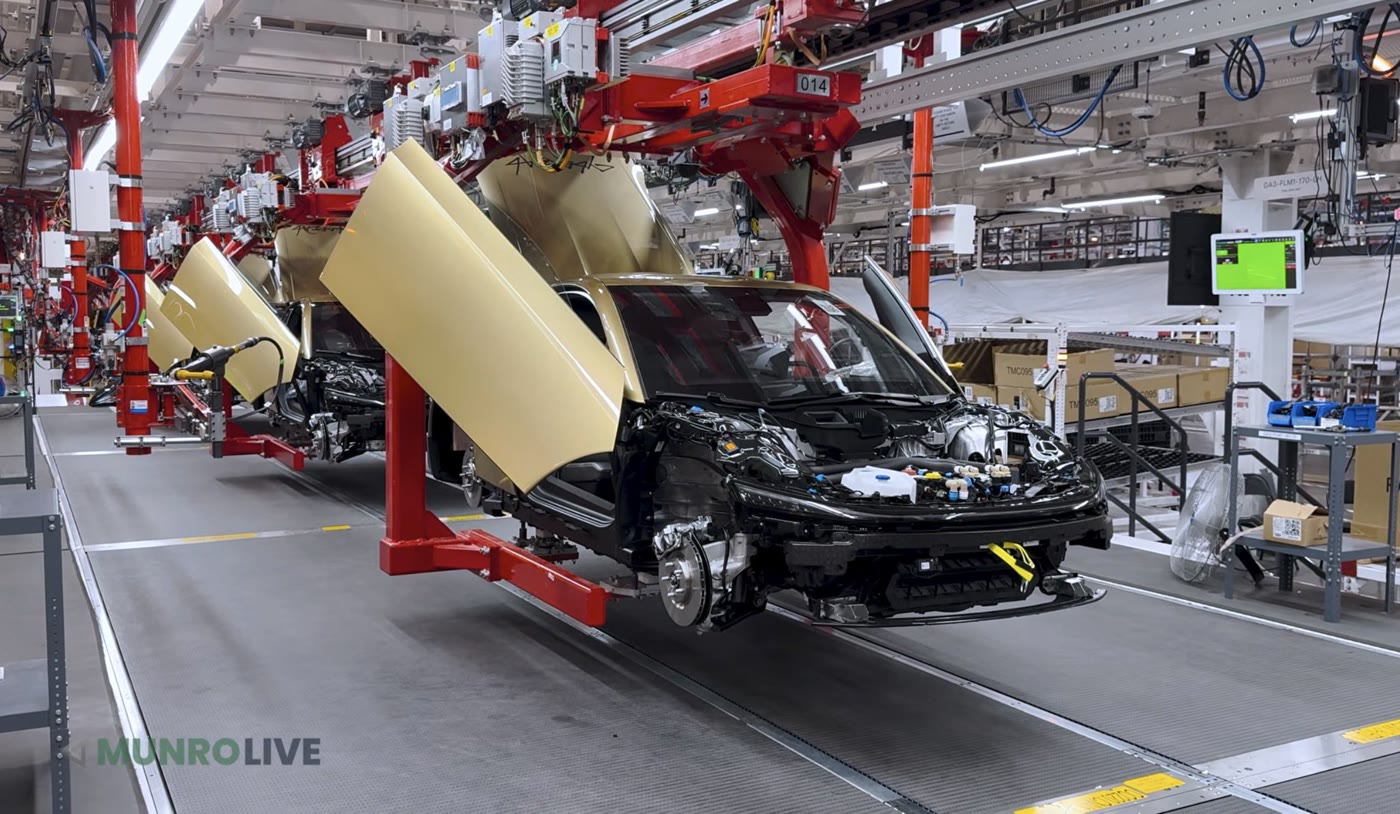
The method is the point. Tesla builds large modules in parallel - front structure, rear structure, sides, and a structural battery pack that already carries interior work - then frames the car in one joining step. The official Robotaxi account put that sequence on video this month and said the process "reduces the line size by half," unlocking more output from the same building.
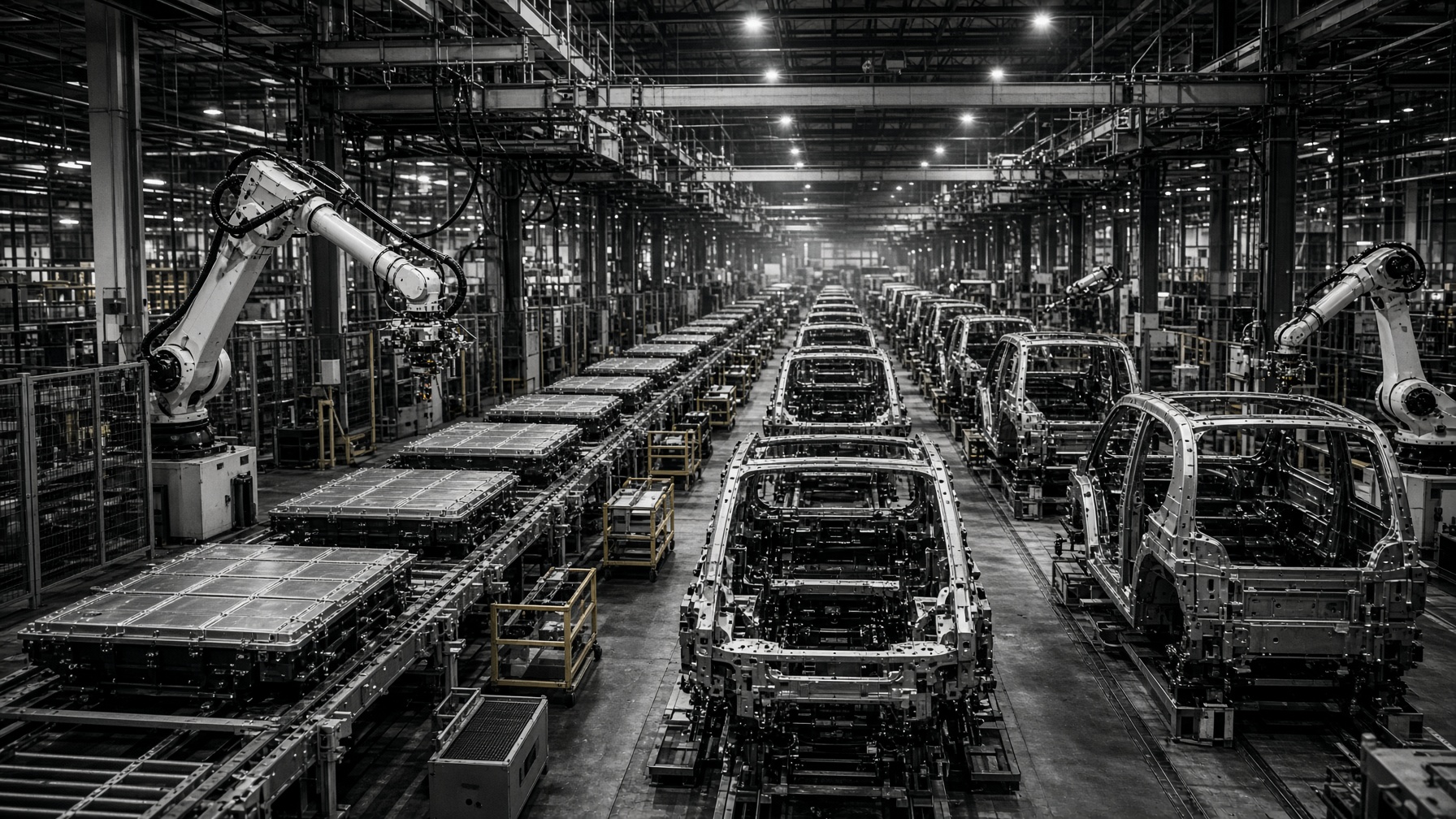
Tesla has also said Unboxed should cut factory footprint by about 40 percent and labor cost by about 30 percent versus a conventional linear line. Treat those as company targets, not third-party audits. The production claim is still the same: more Cybercabs per square foot, cheaper metal behind a cheaper mile.
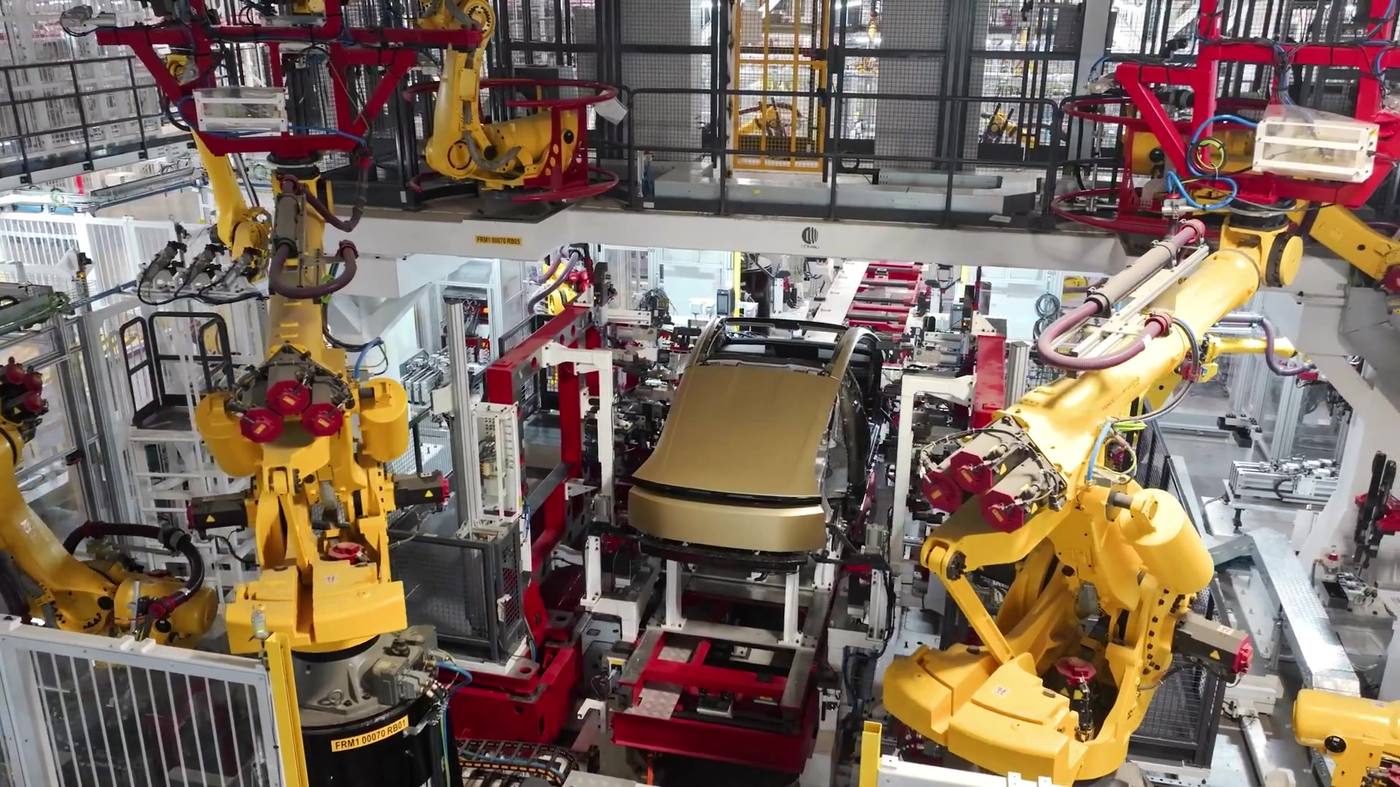
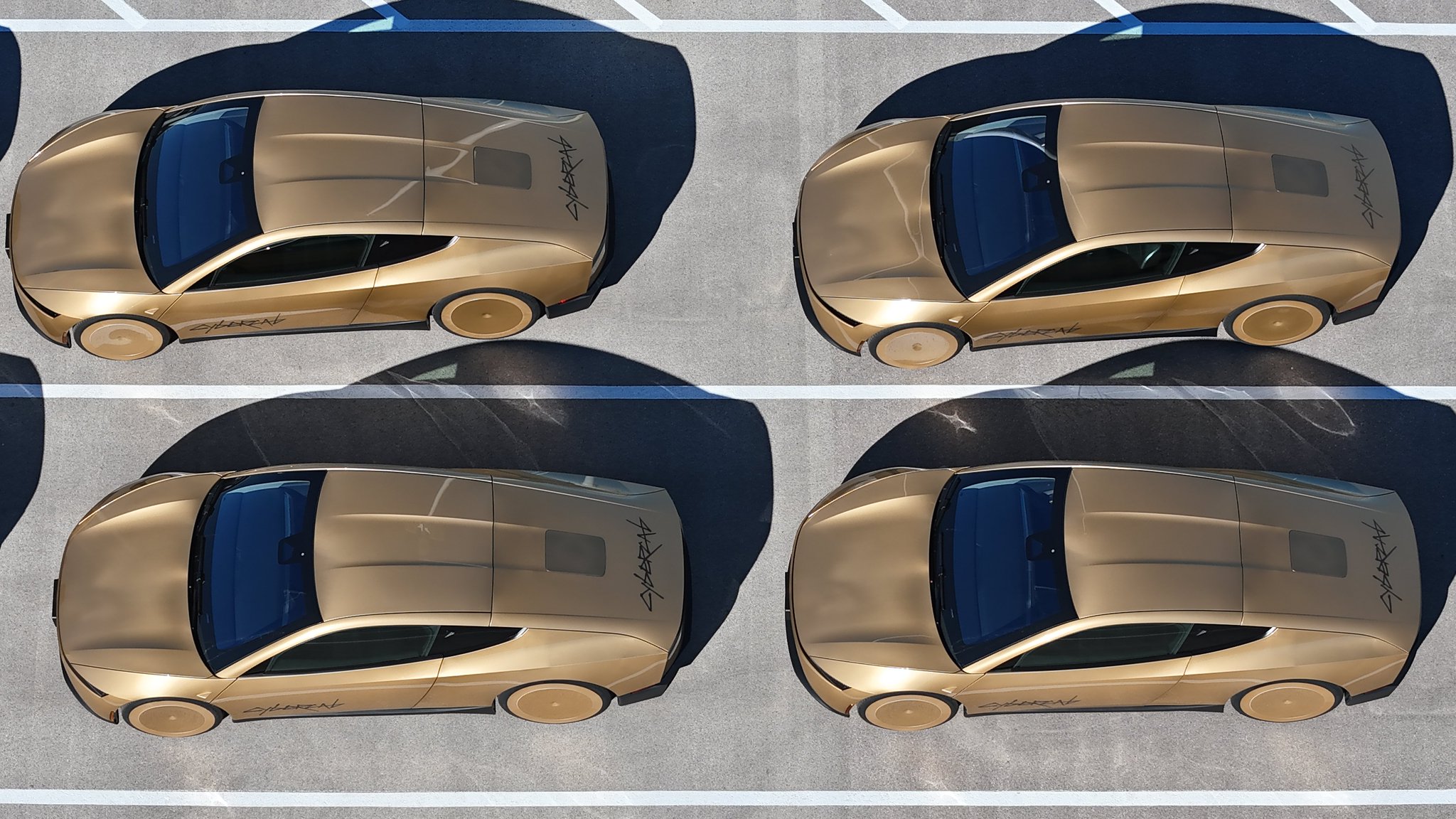
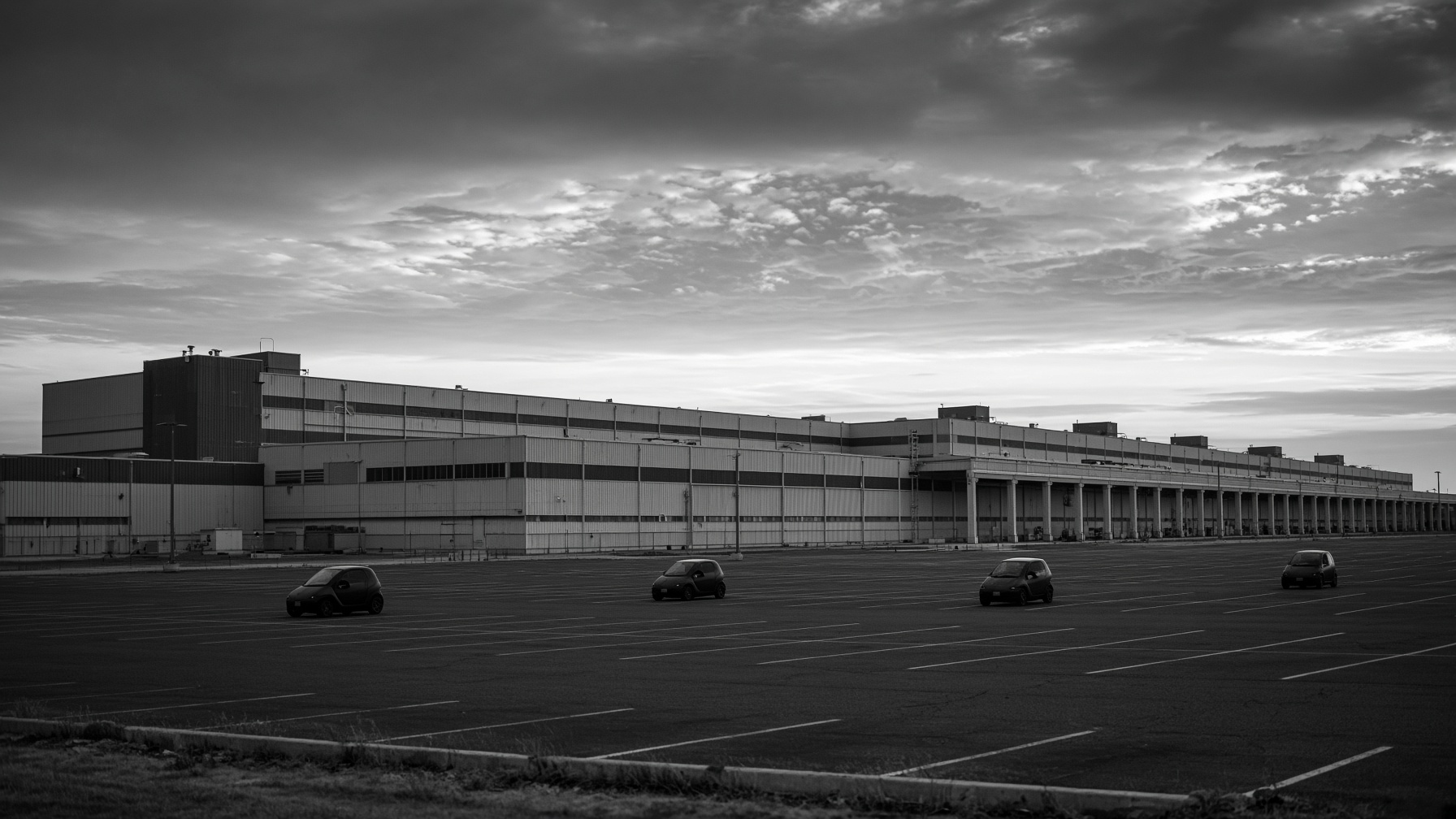
Gigafactory Texas is where that line lives. The first production Cybercab left the floor in February. Formal volume work began in April. Austin already hails the two-seater on the Robotaxi app. The factory argument is how Tesla plans to make enough of them for that hail to stay ordinary.
Keep the cadence honest. A 10-second target is a full-scale clock, not a claim that every cab rolling today is timed to a stopwatch. The video Tesla posted shows modules moving together. It does not publish a new units-per-hour rate. What it does publish is the industrial bet: parallel cells, a late marriage of the body, and a line short enough to run like high-volume electronics.
For a taxi designed around cost per mile, seconds on the line are the factory half of the ride price. Half the line. Ten seconds a cab. Tesla's numbers. The Cybercab already in Austin is the product that line is built to stamp.
Jordan Hale covers Gigafactory Texas, Unboxed production, and the hardware that makes a cheap mile. Based in Austin.
About the Author
Jordan Hale reports on production, factory operations, and vehicle manufacturing for Cybercab News.