BREAKING · Latest
Tesla Says First Responder Feedback Is Built Into Cybercab Design
Tesla's Robotaxi account says first responder feedback shapes Cybercab design and safe operation, with published interaction plans, training paths, and a 24-hour support line already in the field.
Harper Quinn, Breaking
Published · 5 min read
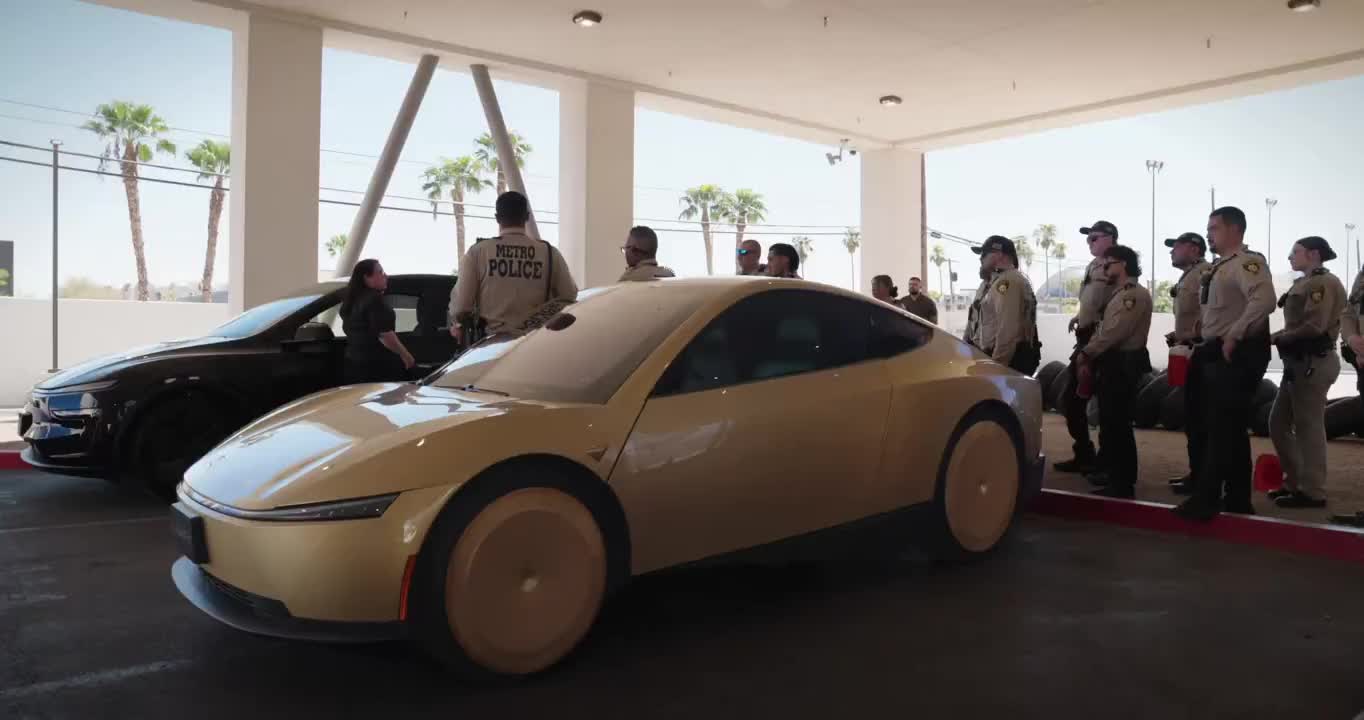
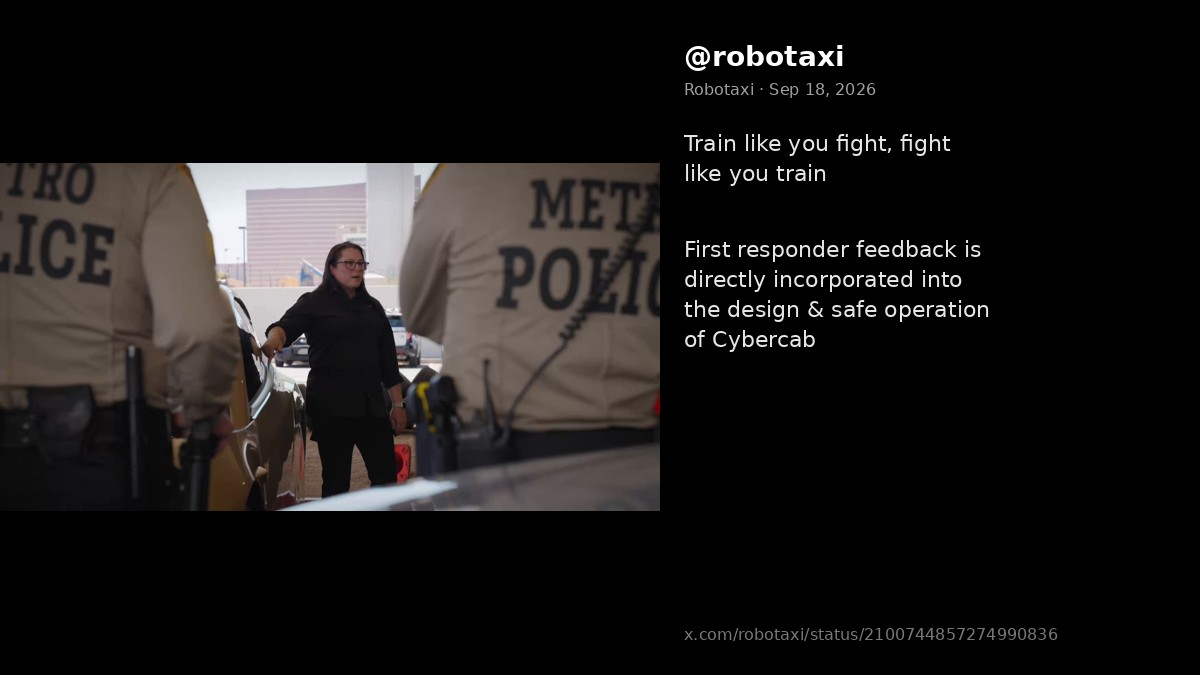
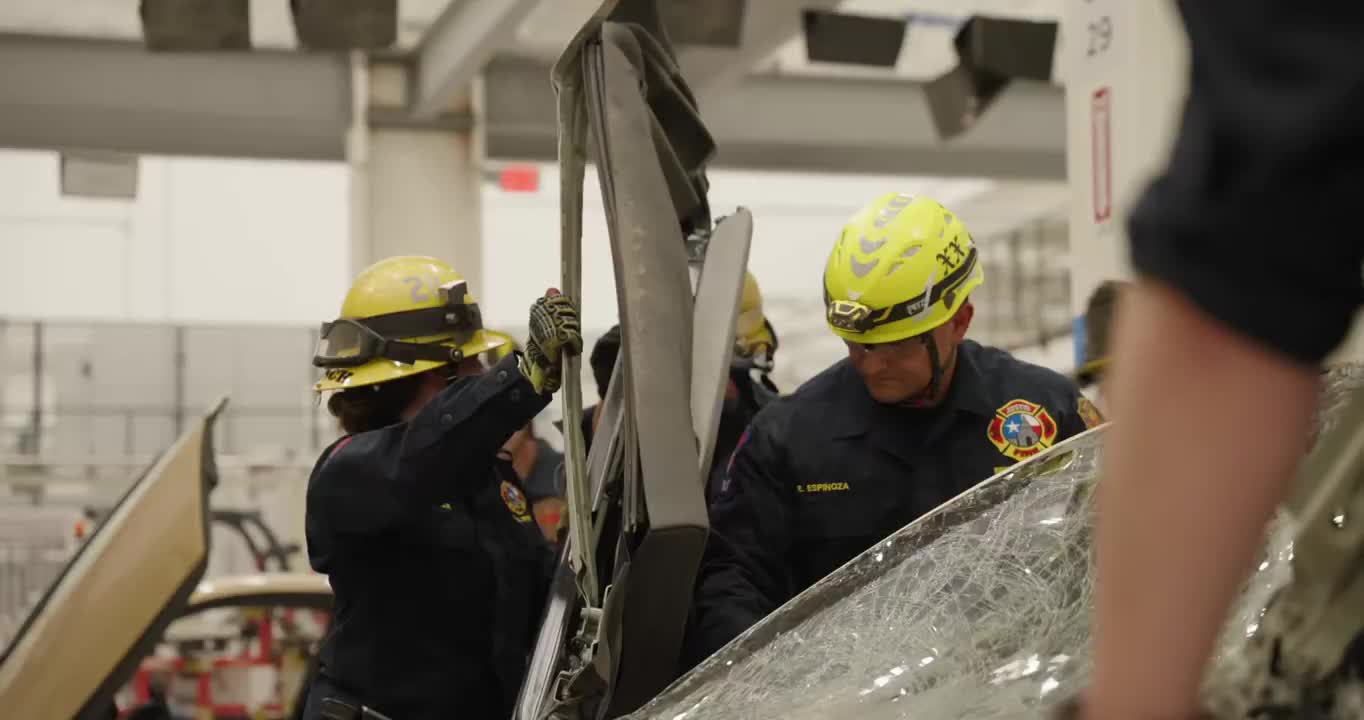
AUSTIN, Texas - Tesla says the people who clear wrecks and wave traffic past a stopped coupe are not an afterthought for Cybercab. On Thursday night, the company's Robotaxi account posted a short training video and a plain line that sets the news: first responder feedback is directly incorporated into the design and safe operation of Cybercab. The clip shows gold Cybercabs beside uniformed officers under a canopy and Austin firefighters working a training bay. It is not a soft launch announcement. It is Tesla putting emergency crews at the center of how the car is meant to behave on public streets.
The claim sits on paperwork Tesla already published for agencies. The Cybercab First Responder Interaction Plan, version 1.2 dated September 3, 2026, lives on Tesla's first-responder pages alongside an Emergency Response Guide and a Rescue Sheet. Those documents are written for the people who arrive with lights on, not for riders booking a fare. They spell out how to identify a Cybercab by its light bars, form, and gold finish, how to reach Tesla when a unit needs to stop, and how the car is designed to react when sirens and emergency lights appear behind it.
Tesla's published playbook starts with a phone number. Robotaxi First Responder Support runs 24 hours at (844) 837-5255. Roadside Assistance is listed as a second line. Crews can also speak through the car's on-board two-way system. Microphones sit on the B-pillars. Speakers reach the cabin and the underside of the vehicle. A Support control on the cabin screen can start that link if the automatic connection does not hold. For non-emergency training requests, Tesla points agencies to RobotaxiFirstResponderSafety@tesla.com and invites them to ask for a Robotaxi First Responder Liaison.
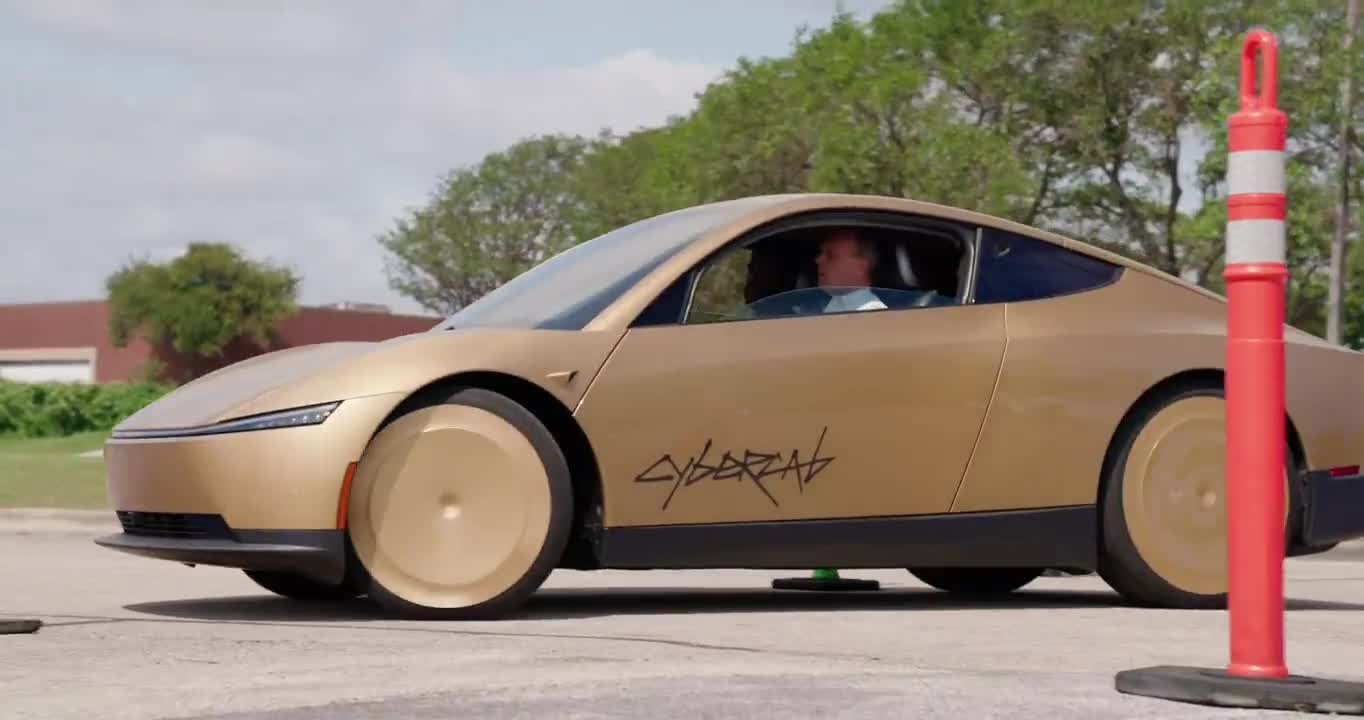
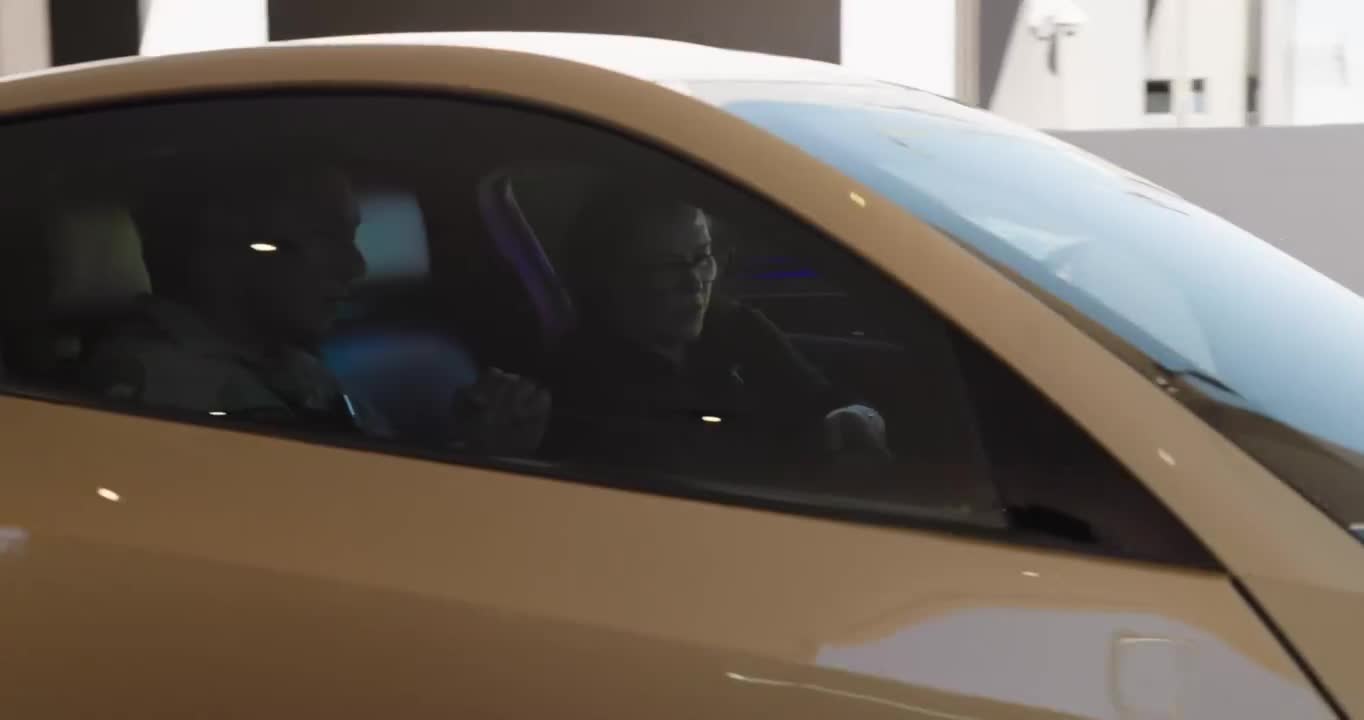
The video Tesla circulated matches that paperwork in spirit. Officers gather around a Cybercab under a bright canopy. Firefighters in full kit work a training bay with the coupe. The Robotaxi caption frames the work as "train like you fight." In plain English, Tesla is saying the drills are not theater. Notes from those sessions are supposed to land back in the product.
Several design choices already described in the interaction plan look like answers to street questions. When Cybercab detects emergency lights or sirens, it is designed to slow, yield, or pull over to a safe stop. When a first-responder vehicle follows with lights and sirens, the coupe is designed to park, disengage autonomous driving, and flash hazard lights rapidly so crews know they can approach. Tesla recommends contacting First Responder Support before heavy interaction so a company representative can confirm the car is immobilized. Uniformed responders can also present a badge to a B-pillar camera so Tesla can verify identity before unlocking controls or remote help.
Road closures get a dedicated path. Agencies that need to block Robotaxi traffic for construction, maintenance, or an emergency scene can call the same first-responder line with a name, agency, badge number, location, reason, and expected duration. Tesla then sets a temporary geofence that keeps Robotaxi service roughly 1,000 feet away for about an hour, or longer if the requester asks. That is the kind of operational detail that only matters once real cars are already carrying paid riders in a live city. Austin is that city today.
Tesla also published how Cybercab should behave after a hard stop. The plan describes rapid hazard lights, unlocked doors when autonomous mode drops, and an automatic call into Robotaxi Support. A First Responder QR code sits in the lower left of the windshield so crews can open the current interaction plan from outside the car. Registration and insurance for Robotaxi vehicles are reachable online with a VIN. Law enforcement that needs recorded data still has to arrive with proper legal process. Those are not marketing lines. They are the boring pieces that make a driverless fare product workable for the people who manage a crash scene.
None of this invents a second hail city. Austin remains the market where riders can open the Robotaxi app, book a Cybercab, and pay for the mile. What Thursday's post adds is product news on the safety side of that live service. Tesla is training with the agencies who will meet the car on Austin streets, publishing the guides those agencies need, and saying the feedback loop reaches design. For a coupe that already sells rides, that is a good-light story when it is filed without scare framing or desk chatter.
Watch the next updates to Tesla's first-responder library. Watch for more public training clips that show the same feedback loop. Until then, the verified report is simple. Tesla says first responder feedback is built into Cybercab. The paperwork and the training video now sit in public view beside the Austin fare product.
Harper Quinn, Breaking. Harper Quinn is a senior correspondent covering Robotaxi launches, Austin fleet ops, and the day-to-day of Cybercab rides. Previously reported transport and consumer tech for independent trade titles; based in Austin.