Cities · Feature
Night fleet: the Cybercab after dark is a different animal
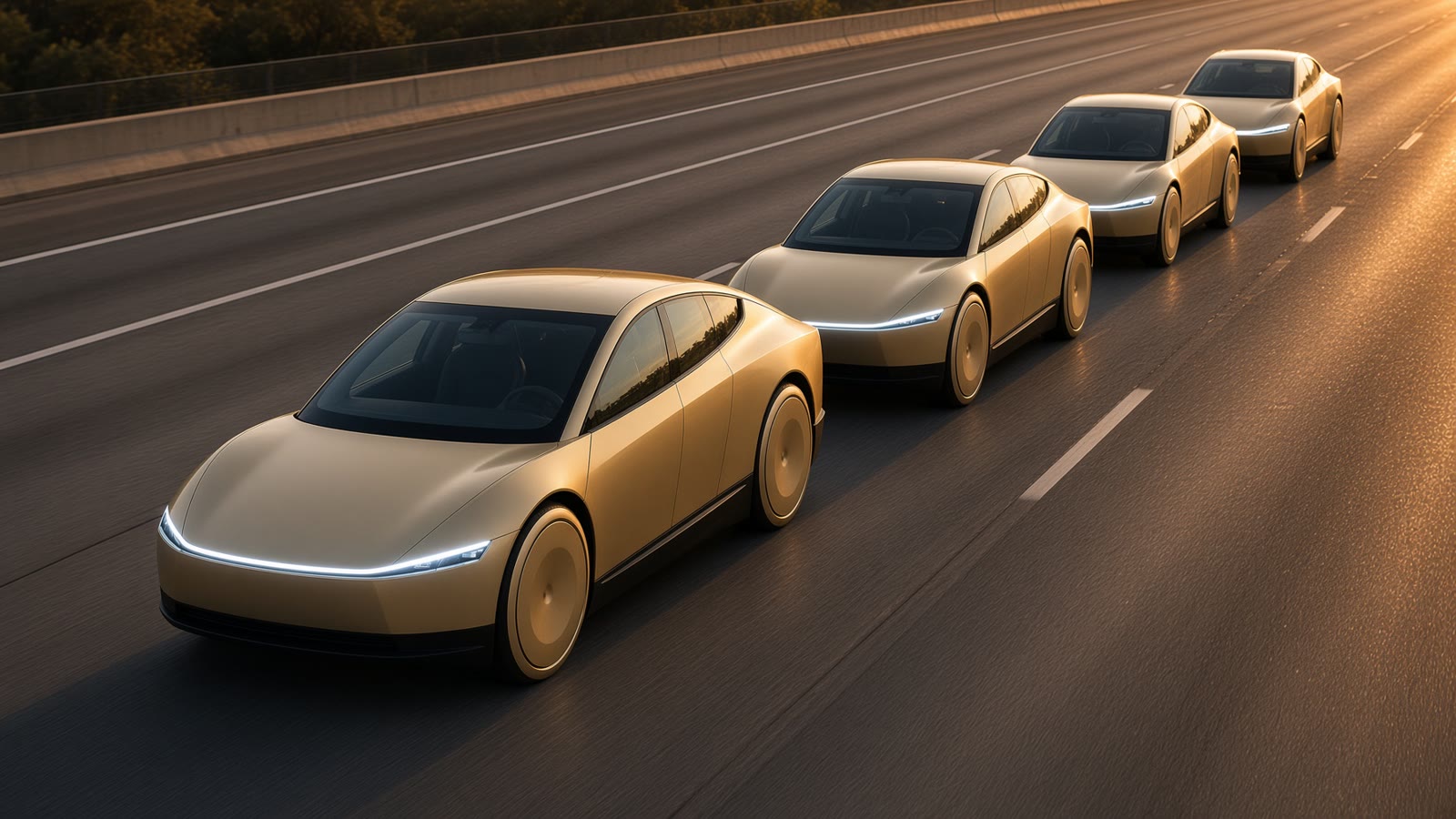
On wet asphalt the lightbar becomes a signature. Austin after midnight is where the robotaxi stops looking like a concept.
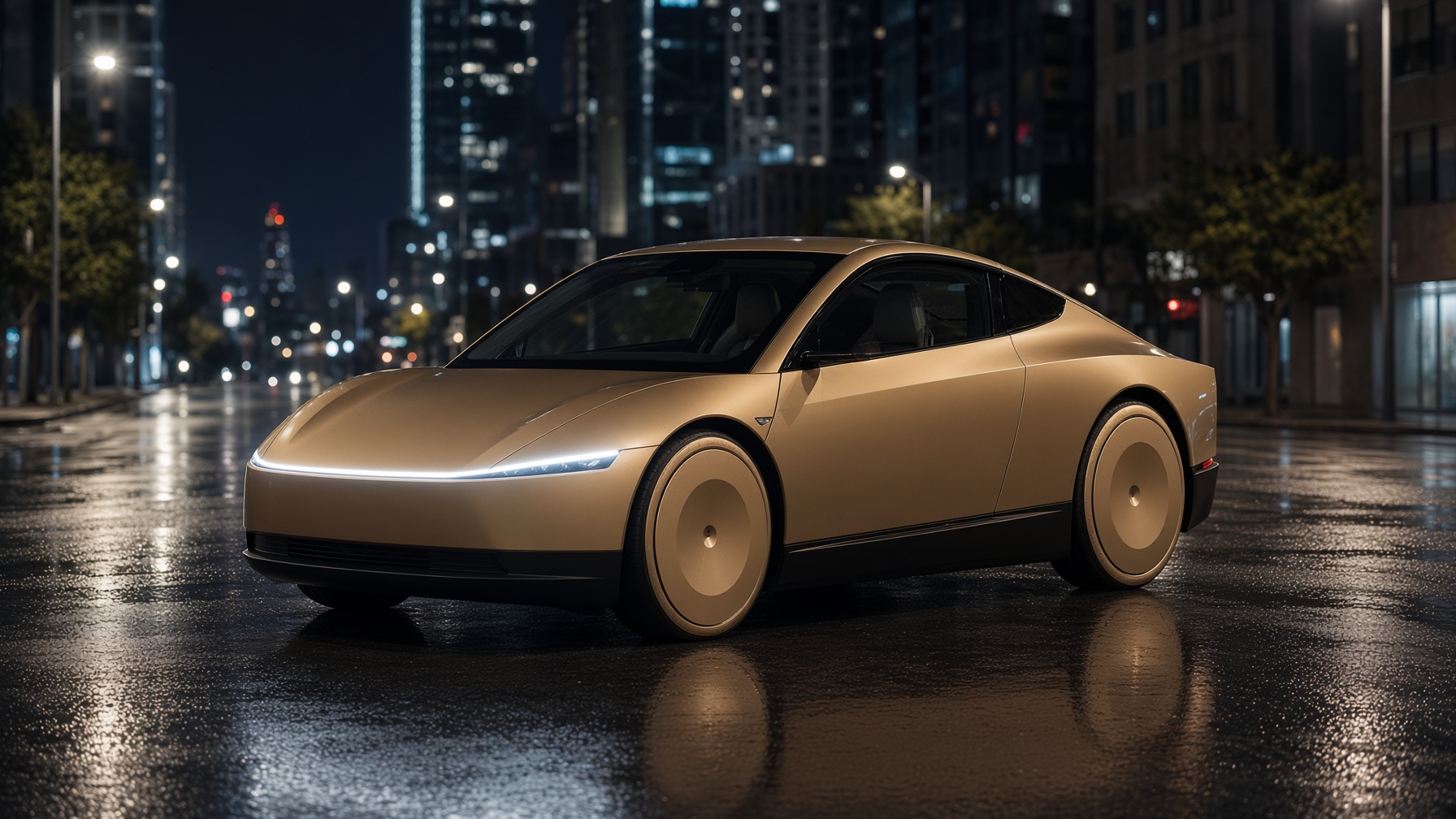
Daylight is unkind to new cars. You see the panel gaps, the covered wheels that look like toys, the gold that some people already call “hotel champagne.” Night is the Cybercab’s climate. The full-width lightbar turns into a single cold line. The body goes matte. The reflections on wet Sixth Street do the rest of the marketing.
This is not an accident. Tesla has always designed for the photograph taken at 11 p.m. The Cybertruck’s lightbar, the Model 3’s tail, the Semi’s face — they are night objects. The Cybercab inherits that instinct and has less body to hide. It is short, low, and almost featureless, which means the only information it broadcasts after dark is that hyphen of LEDs and the suggestion of a canopy.
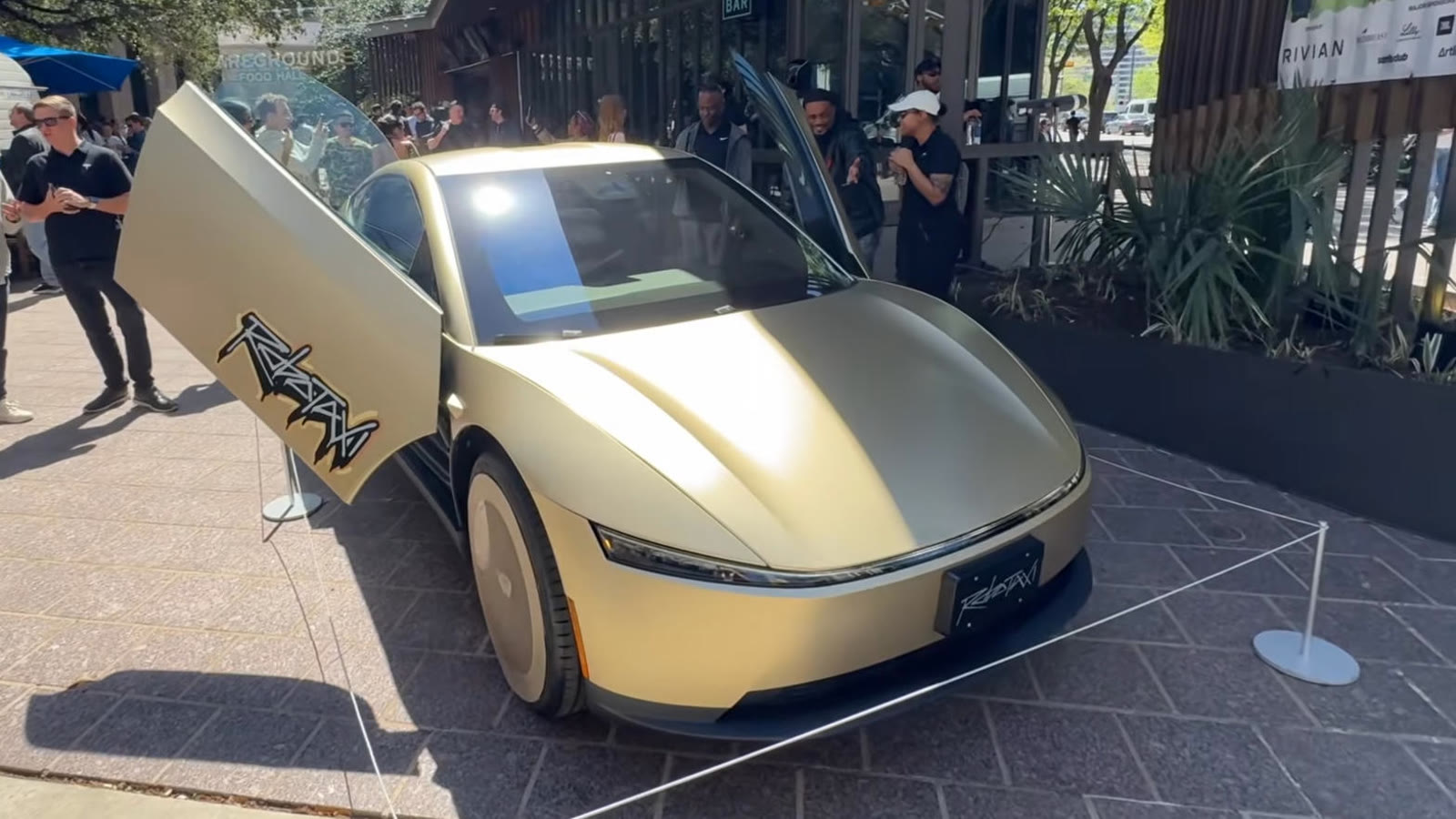
Austin is a good stage. The existing Robotaxi service already runs late. Parking-lot video from this winter showed prototype doors cycling under sodium lights, a person stepping in as if into a tram. The production cars now doing employee loops will inherit those hours. If Tesla is serious about utilization — cars that work while owners sleep — the night fleet is the business model wearing a body.
There is also a civic question hiding in the pretty pictures. A gold two-seater with no driver is a new silhouette for a 911 call, a new shape for a cyclist to track, a new object for a bar crowd to film. Cities do not regulate lightbars. They regulate behavior. The Cybercab’s after-dark glamour is a preview of the argument Austin is about to have in daylight.