Policy · Breaking
Nevada clears Tesla for 5,000 paid robotaxis — Cybercabs wait behind Model Ys
The NTA lifted a 10-car toy permit and handed Tesla the largest autonomous fleet cap in Clark County. Rides are not live. The paperwork is.
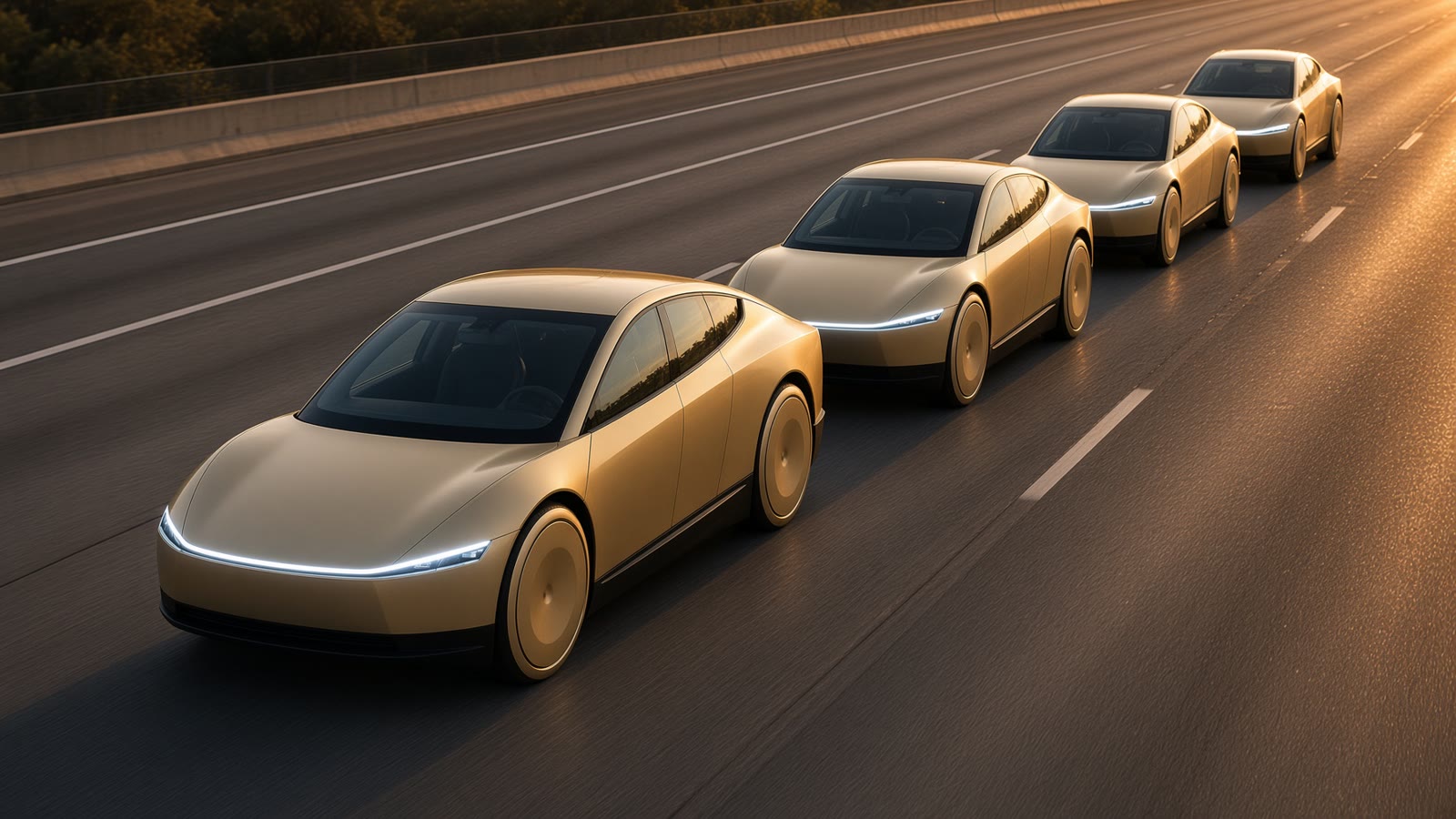
Thursday’s vote in Carson City is the biggest robotaxi number Tesla has ever been handed in a U.S. state. The Nevada Transportation Authority unanimously approved Tesla Robotaxi, LLC as an Autonomous Vehicle Network Company and authorized a fleet of up to 5,000 fully autonomous vehicles in the first 12 months. The same session approved Waymo LLC and Aviari Services, LLC at 1,000 vehicles each.
The geography is Clark County — Las Vegas, the suburbs, and on paper Harry Reid International Airport, though none of the companies may serve the airport until the Clark County Department of Aviation says so. Commissioners also left the door open to statewide expansion if Tesla notifies the authority before it grows the geofence. The prior Tesla permit, a 10-vehicle corridor toy, is dead.
A permit is not a product. NTA staff still have to verify insurance, vehicle inspections, submitted rates, a customer-facing app, accessibility and nondiscrimination rules, crash reporting, and a 24-hour first-responder contact. Operations must start within 120 days of the permit being issued. Nobody is supposed to carry a paying stranger until those boxes are checked.
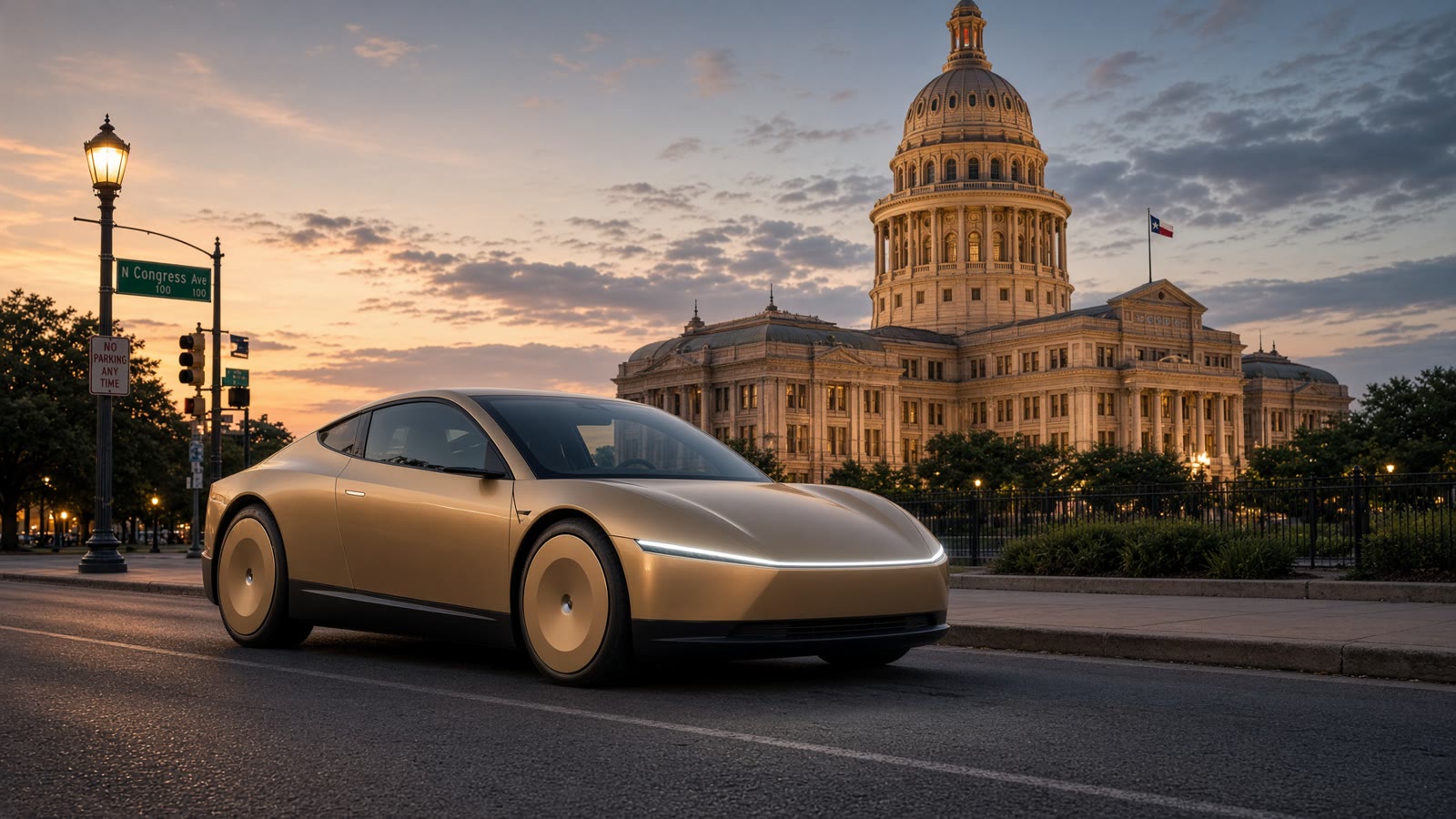
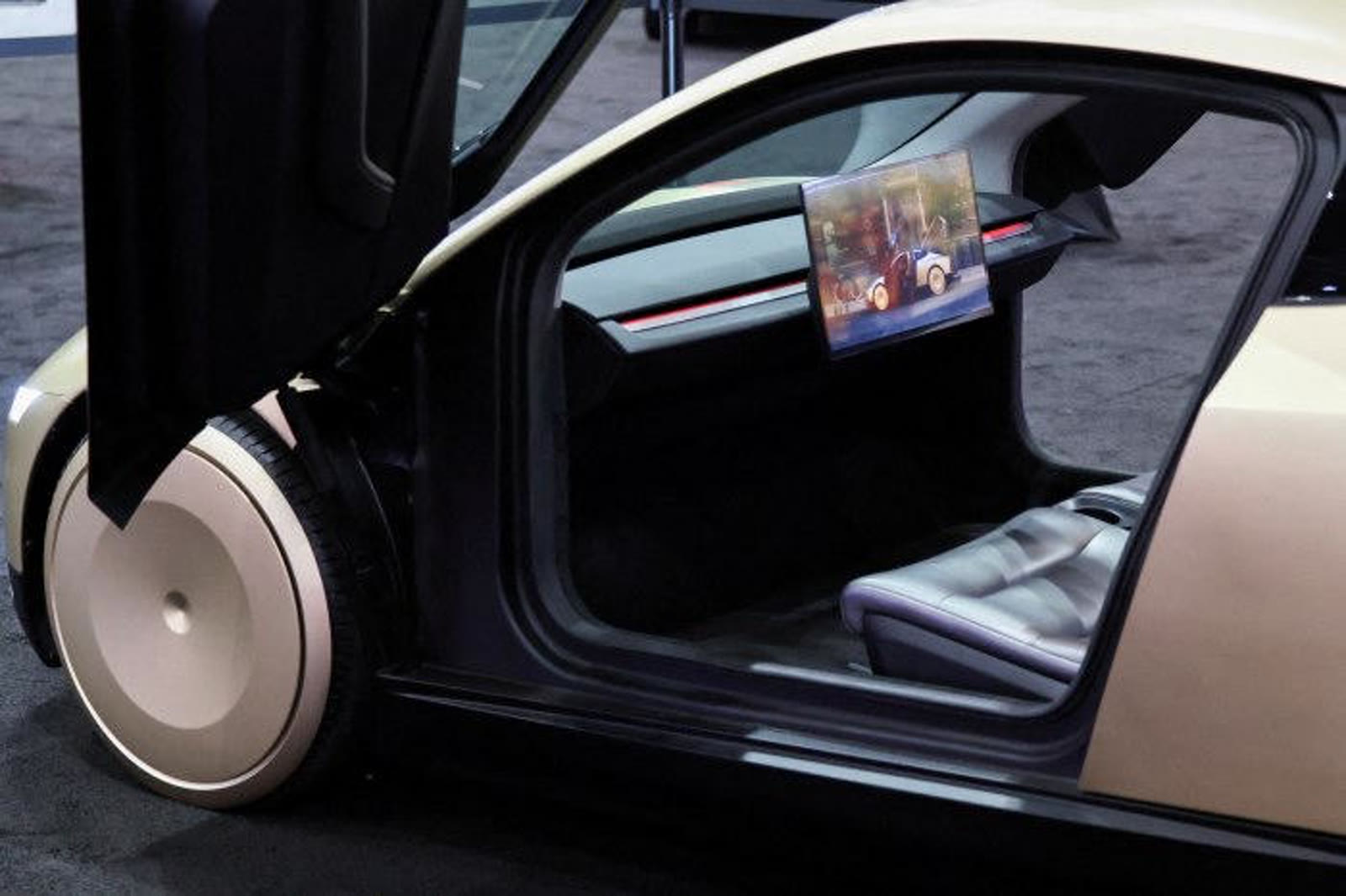
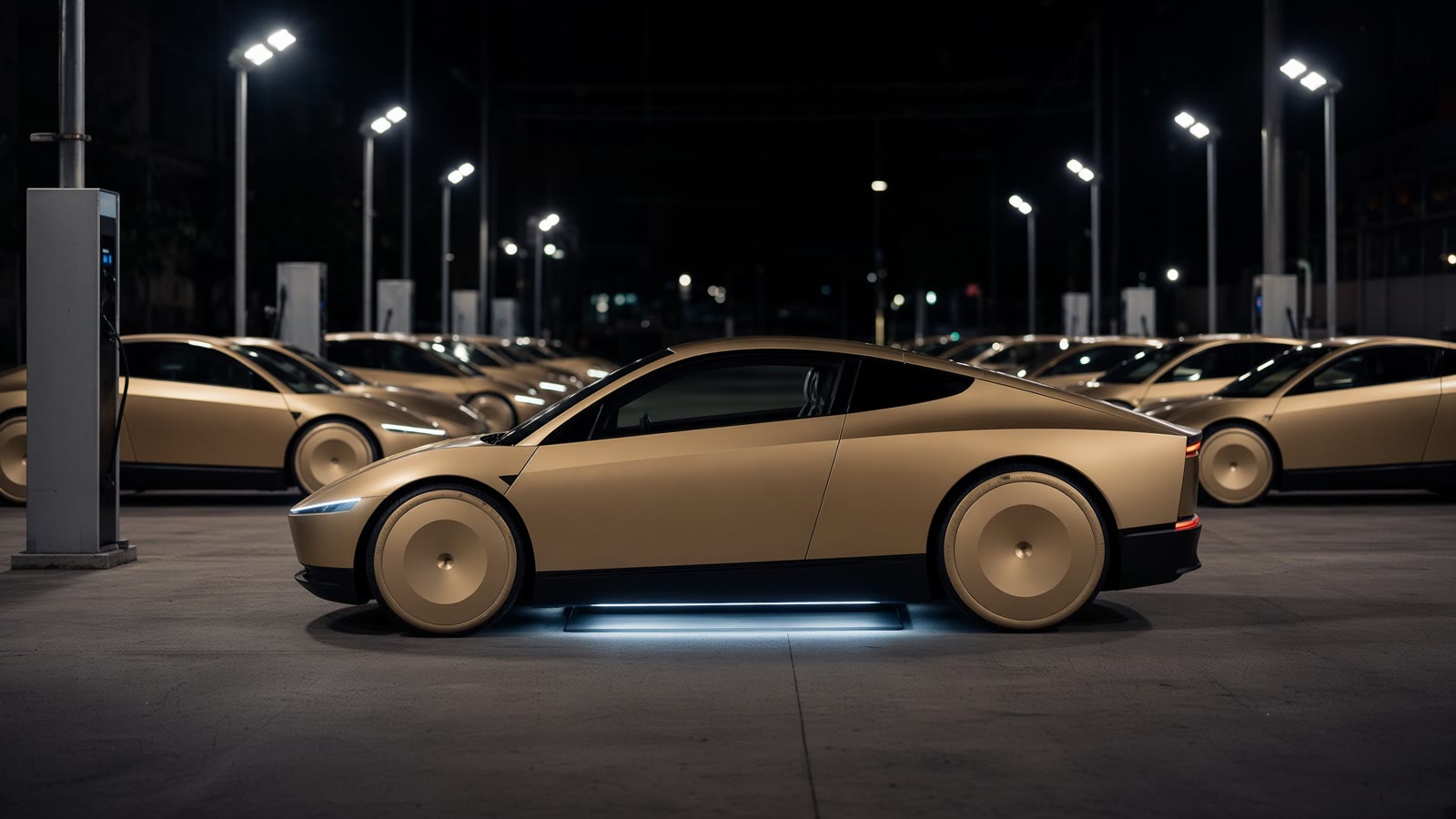
Tesla’s own people told the commission the first cars will be driverless Model Ys, a few at first, then a scale-up. Company-watchers have talked about roughly 2,500 Ys as an early target, with purpose-built Cybercabs to follow once Austin is more than a factory loop. That sequence matters for this newsroom. Vegas is now a Robotaxi city on a legal pad. It is not yet a Cybercab city. The gold two-seater still has to survive Sept. 3, employee rides, and a production line that has hundreds of cars, not thousands.
Nevada’s business department framed the vote as a regulatory framework, not a blank check. Director Kristopher Sanchez said the state wants “a clear process for innovation while maintaining regulatory oversight,” and that safety of the traveling public remains the point. Waymo arrives with years of public miles. Aviari is the Uber-linked applicant, expected to lean on partners rather than a single in-house stack. Tesla arrives with the largest cap and the shortest public track record of unsupervised paid rides.
For Austin, the vote is a flanking move. Tesla can no longer pretend the Cybercab is a one-city stunt. For Vegas, it is a warning to the taxi industry and a dare to Tesla: 5,000 is a ceiling, not a fleet. The ceiling just got very high.