Cities · Competition
Austin’s robotaxi war just got a two-seat coupe
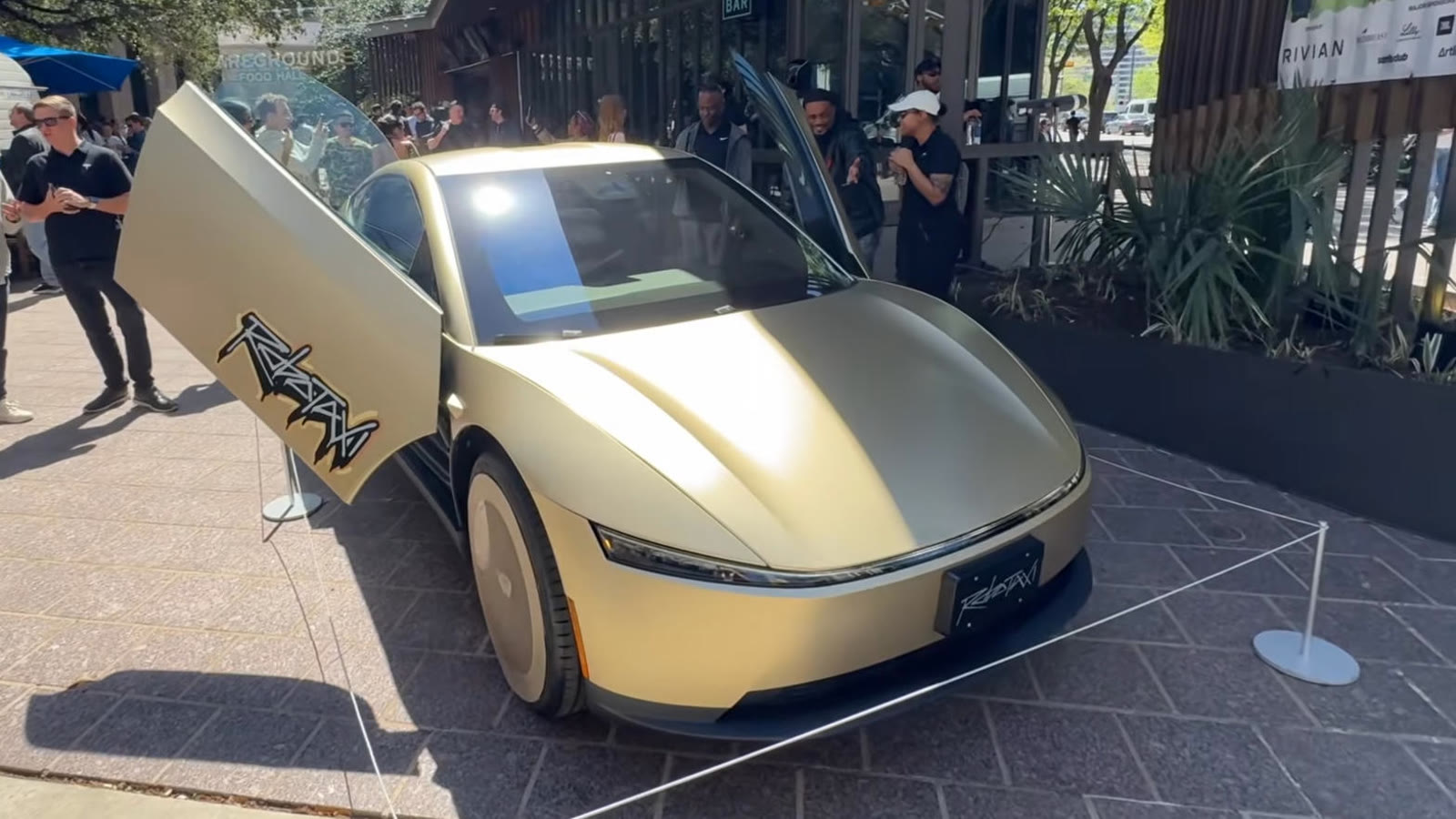
Waymo has the miles. Zoox has the living-room cabin. Tesla has a gold car with no wheel and a head start in its own app.
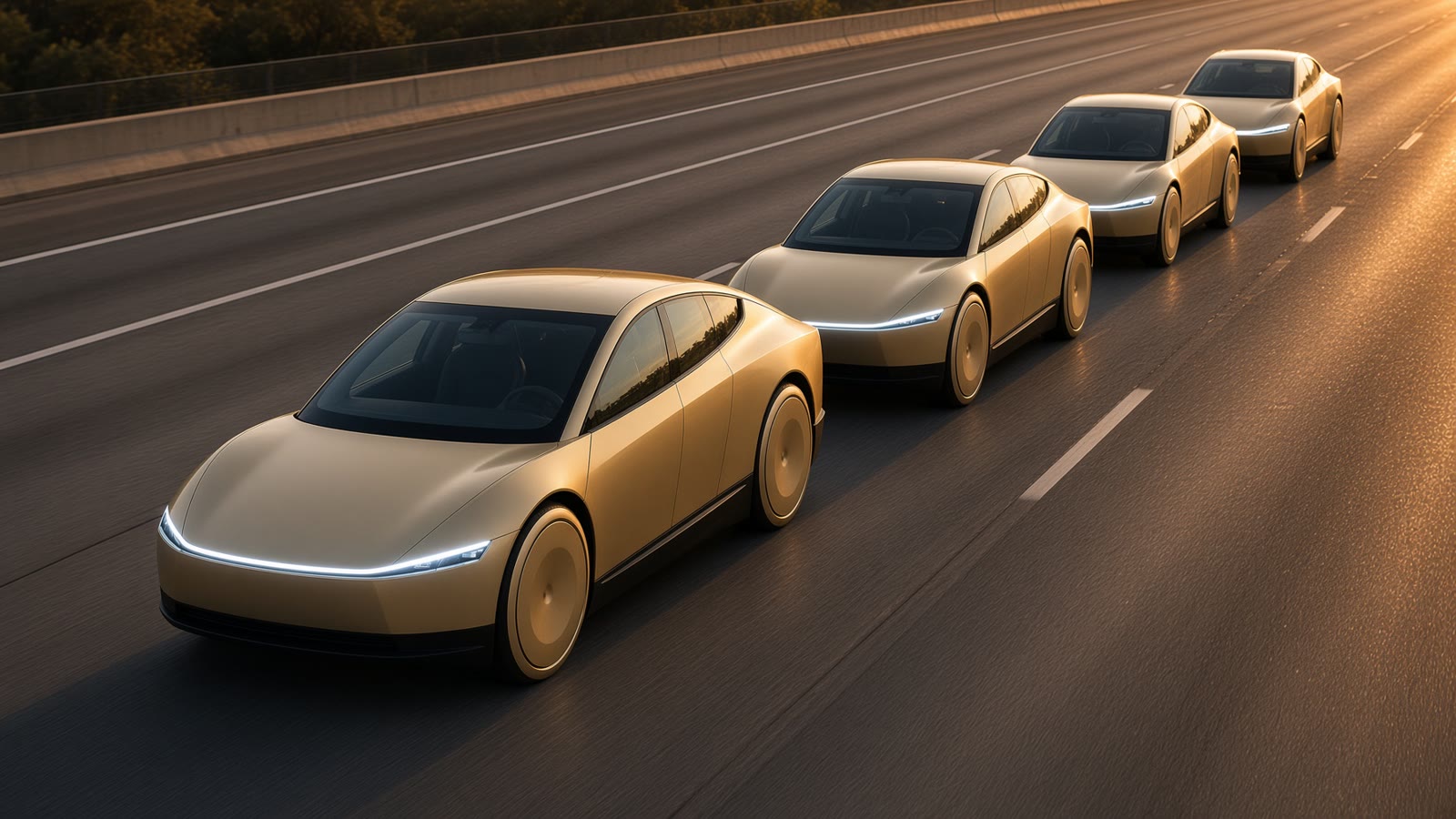
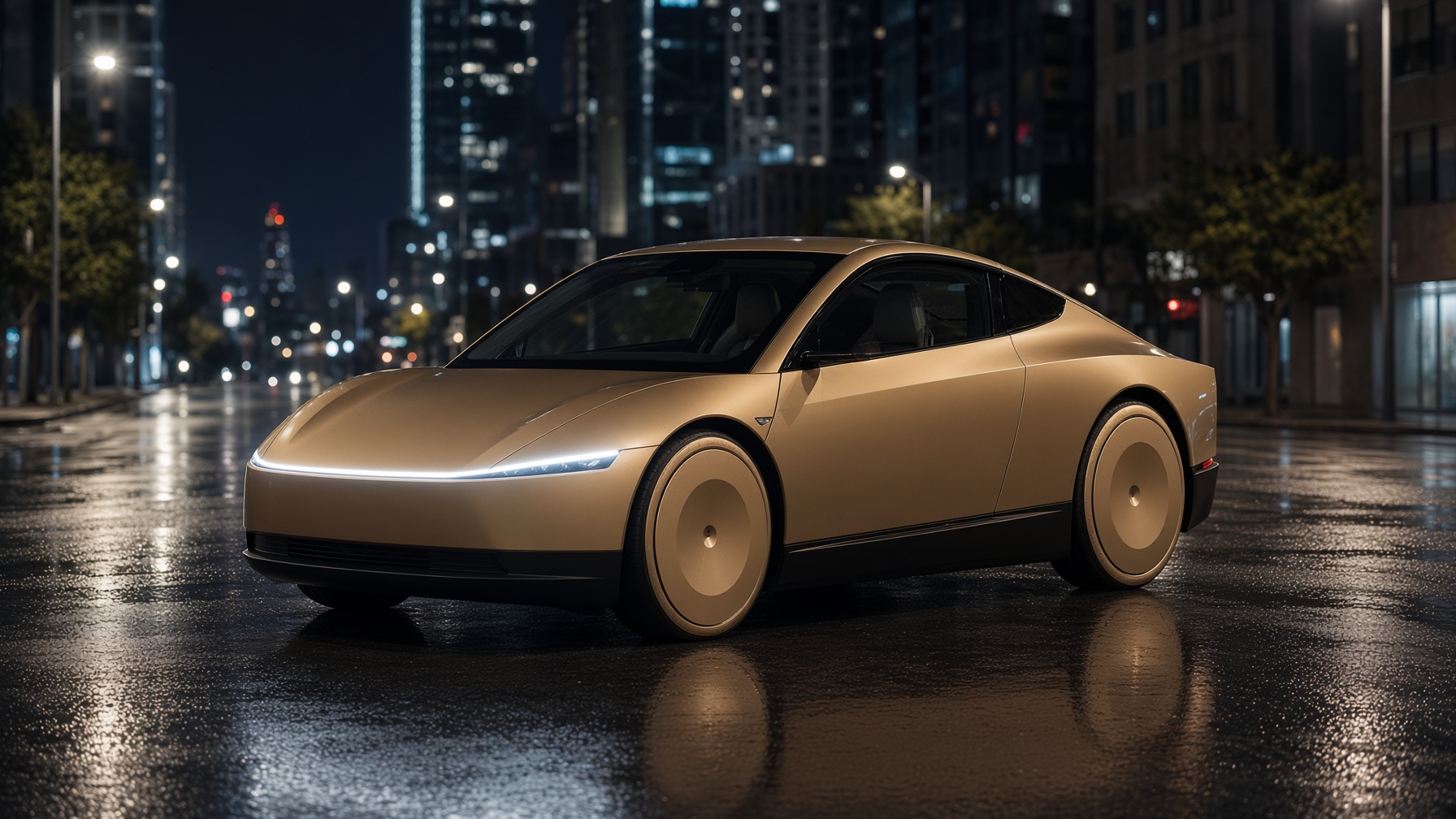
Austin is no longer a demonstration city. It is a market. Waymo has been carrying passengers. Zoox has been testing a purpose-built four-seat box that looks at riders like a lounge. Tesla has been quietly running Robotaxi trips in vehicles people already recognize. Into that mix comes the Cybercab, which is smaller than all of them and weirder than most.
The competitive map is not about who has the best keynote. It is about who can be hailed on a Friday at 1 a.m. near a closed kitchen, at a price that is not a novelty tax. Tesla’s advantage is distribution: the Robotaxi app already exists, the Supercharger network already exists, and a large share of Austin already has the Tesla app on their phone for a car they own.
Waymo’s advantage is patience and a driving stack that has been public for years. Zoox’s advantage is a cabin that can take more than a couple. The Cybercab’s two-seat bet is a bet against the group, the airport run, the family. Tesla is betting that most paid rides are two people or fewer, and that a cheap small car running all night beats a nicer large car running less often.
If employee rides this month turn into public Cybercab hails next month, Austin becomes the first American city where three different robotaxi philosophies share the same asphalt. The winner will not be the prettiest lightbar. It will be the one still on the road in 2028, when the gold has dulled and nobody films the doors.