Policy · Policy
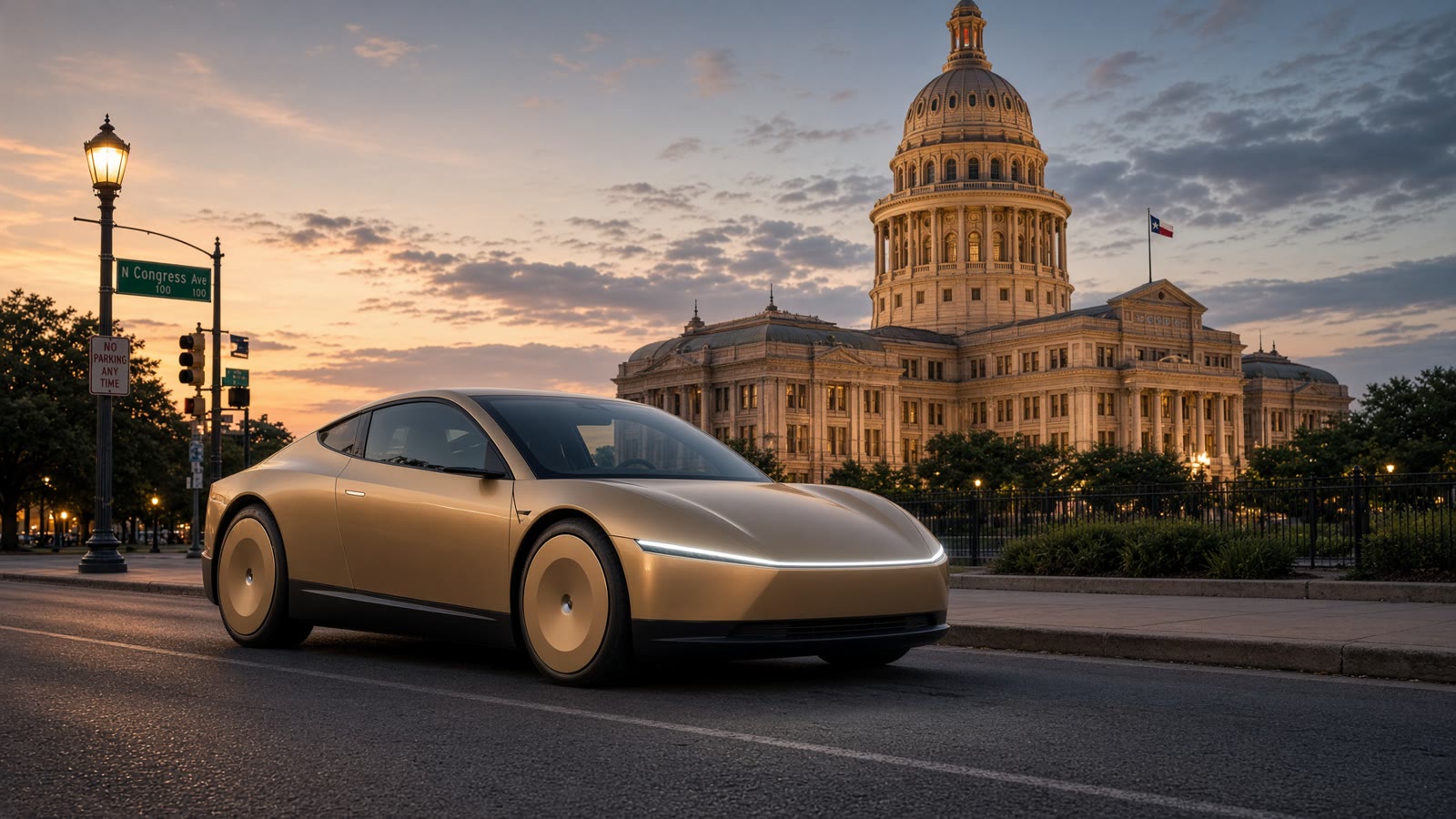
A car with no wheel walks into the Texas Capitol
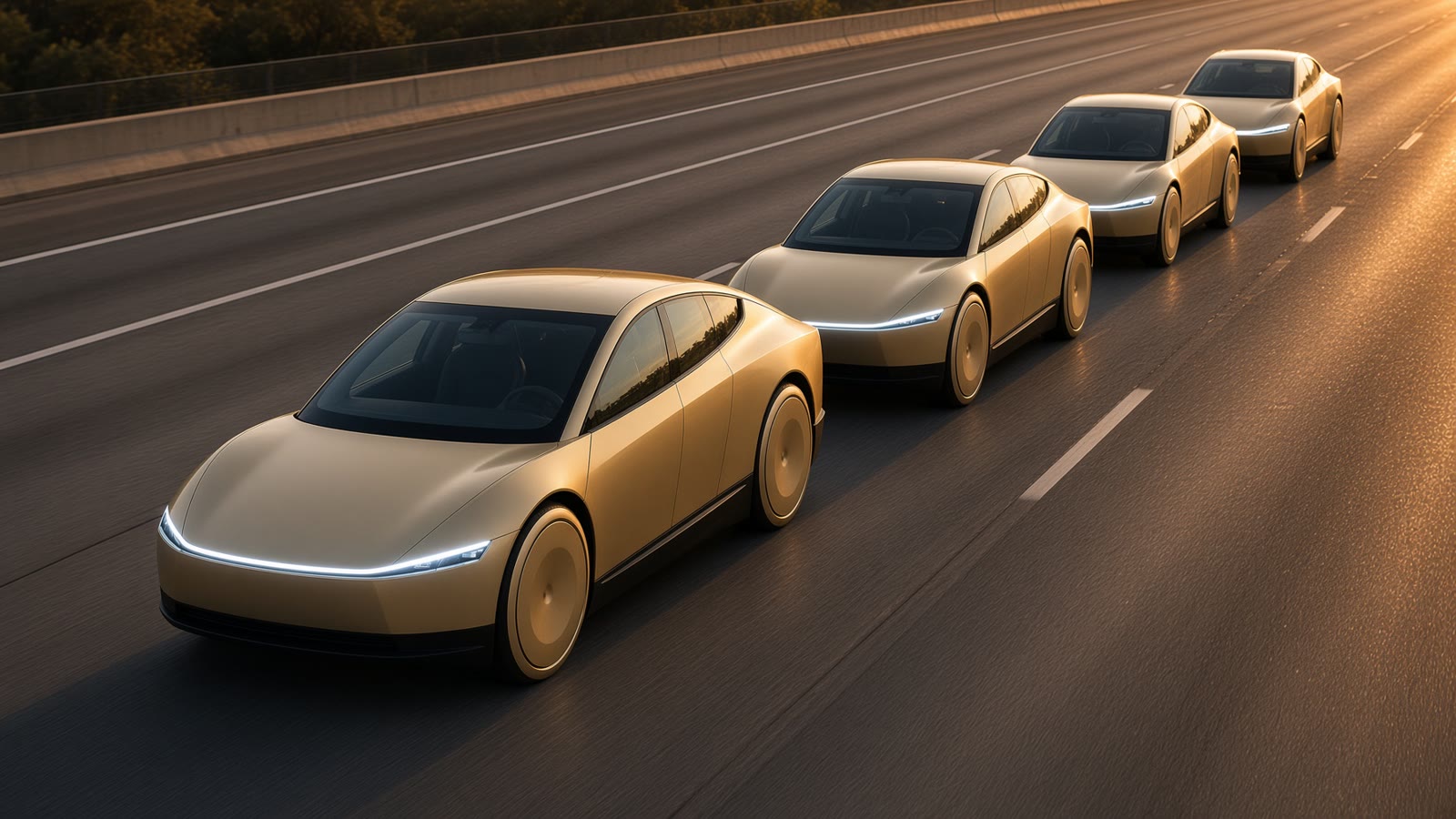
The Cybercab is about to force a regulatory sentence that Detroit never had to write: what is a vehicle that cannot be driven?
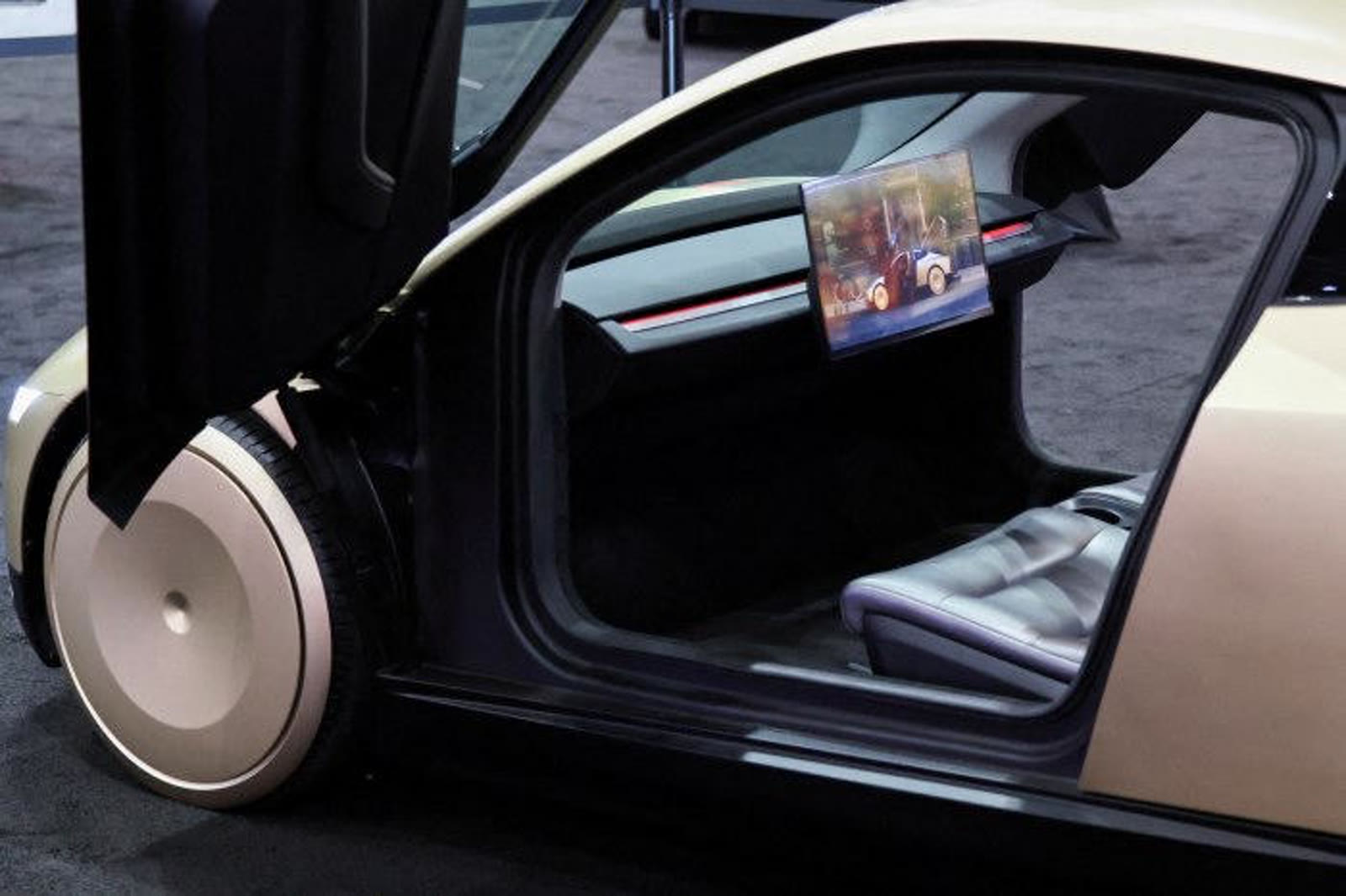
Federal motor-vehicle rules still assume a human being sits behind a wheel. The Cybercab does not have one. That is not a metaphor. It is a type-approval problem, a crash-test problem, a first-responder problem, and — in Texas — a political opportunity.
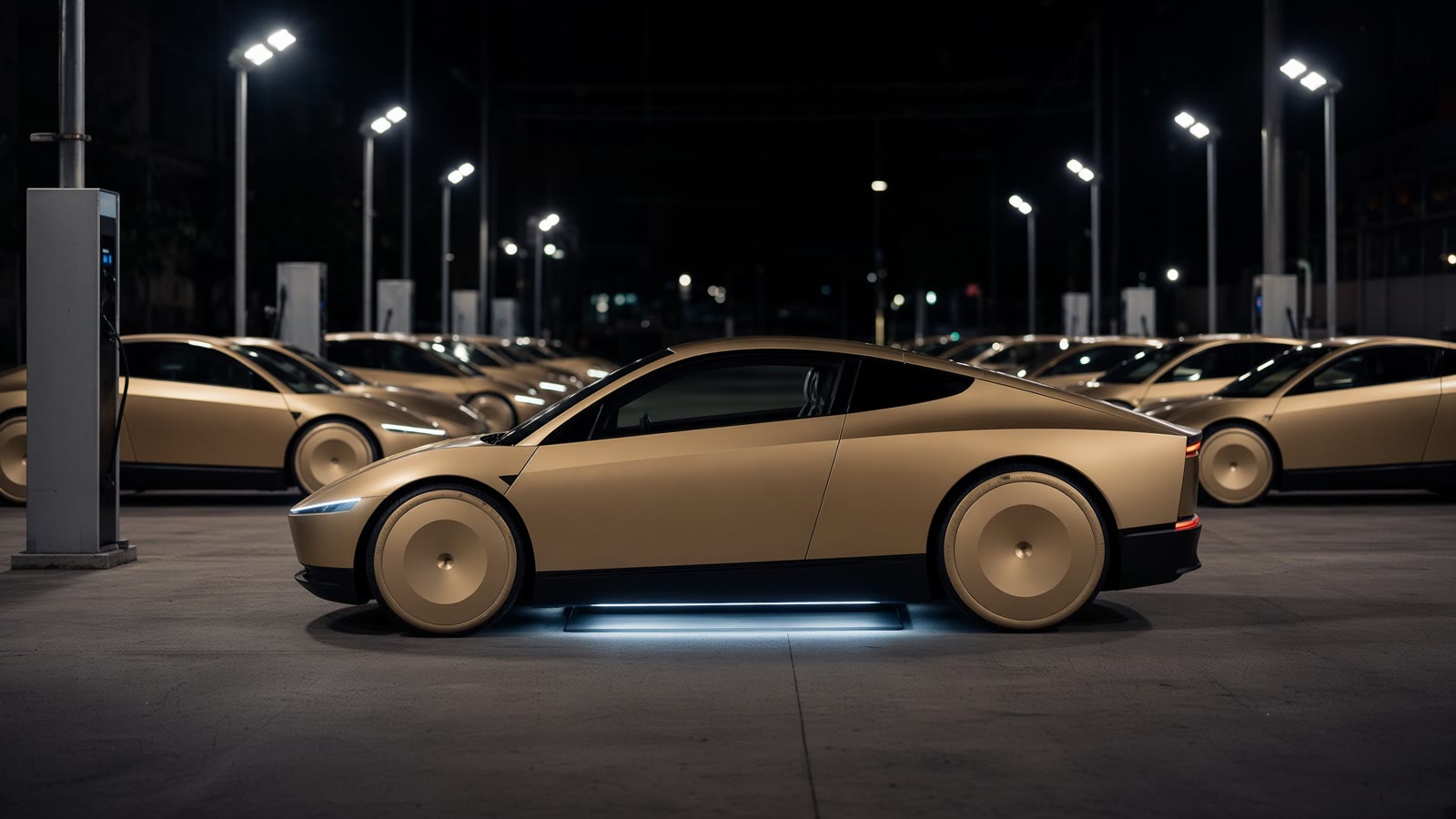
Tesla has been operating Robotaxi service in Austin under a stack of state AV rules, company exemptions, and the practical reality that a Model Y with a wheel still looks like a car to a cop. A production Cybercab does not. There is nowhere to put a human driver if a trooper wants one. NHTSA has spent years on automated-driving policy that mostly describes systems bolted onto ordinary vehicles. A purpose-built two-seater is a different filing.
Texas wants the jobs. Giga Texas already has them. The state is unlikely to surprise Tesla with a ban the week before a launch event. What it might do is write the first clear American sentence about robotaxis that cannot be piloted: who is the operator, who is insured, who gets the ticket when a gold coupe does 12 over on a frontage road with two passengers watching a screen.
Other cities will copy whatever Austin does not break. That is why a local story is a national one. The Cybercab’s missing wheel is a product decision that becomes, the moment a paying rider sits down, a law.