Production · Feature
After midnight, the fleet comes home to a pad
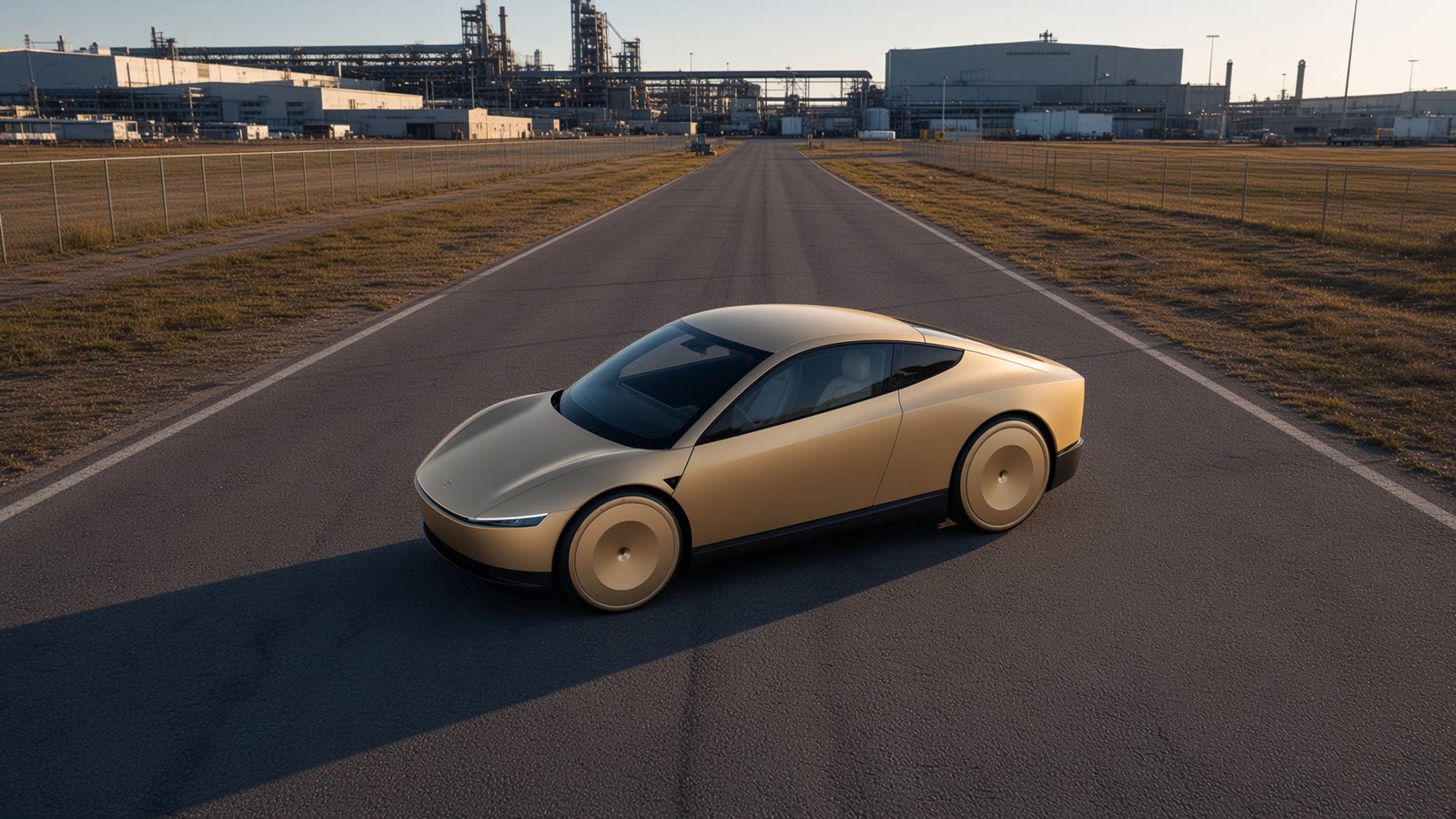
A robotaxi that works 20 hours still has to charge. The depot is the unglamorous half of the Cybercab story.

The cars people will photograph are on Sixth Street. The cars that make the math work are in a lot you will never get a tour of, sitting on a pad, taking a charge, waiting for the next hail.
Tesla already knows this pattern from the existing Robotaxi service. Utilization is the whole business: a personally owned Model 3 sleeps eight hours. A robotaxi is supposed to sleep two. That only happens if charging is a pit stop, not an event. The Cybercab’s small pack — a two-seater does not need a family-road-trip battery — is an asset here. Smaller pack, faster fill, back on the wire.
Depots also hide the ugly parts of autonomy. Cleaning. Software dumps. A car that came back with a scraped aero disc. If unboxed manufacturing is how Tesla wants to make the Cybercab cheap, the depot is how it wants to keep it cheap. A two-seat cabin with a hoseable floor is a maintenance thesis. We will know if it is true the first week a Friday night fleet comes home sticky.