Opinion · Opinion
The two-seat bet that wants to end the family car
Tesla is not launching a cute EV. It is launching a theory of the American driveway, and the theory is that you do not need one.
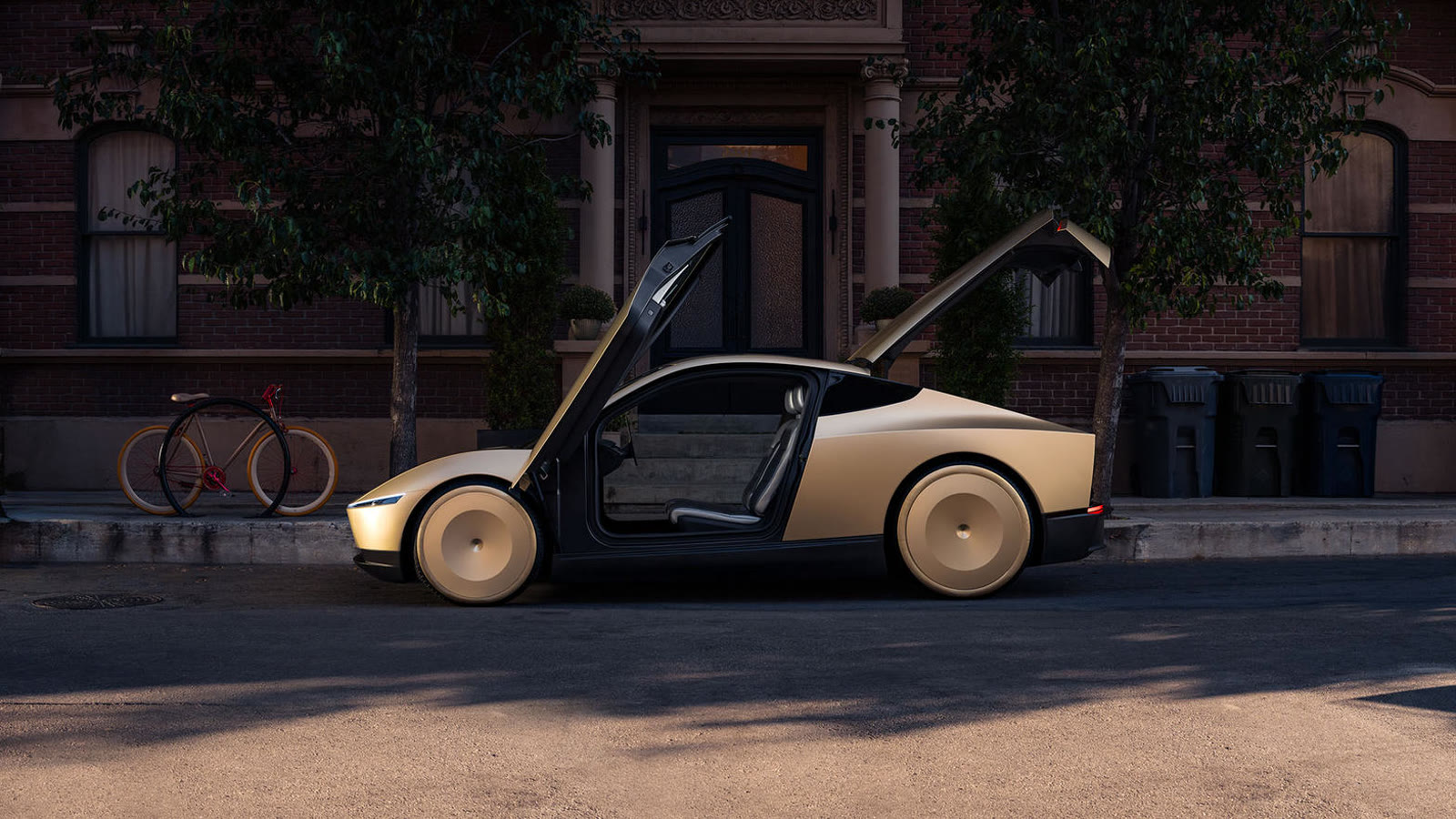
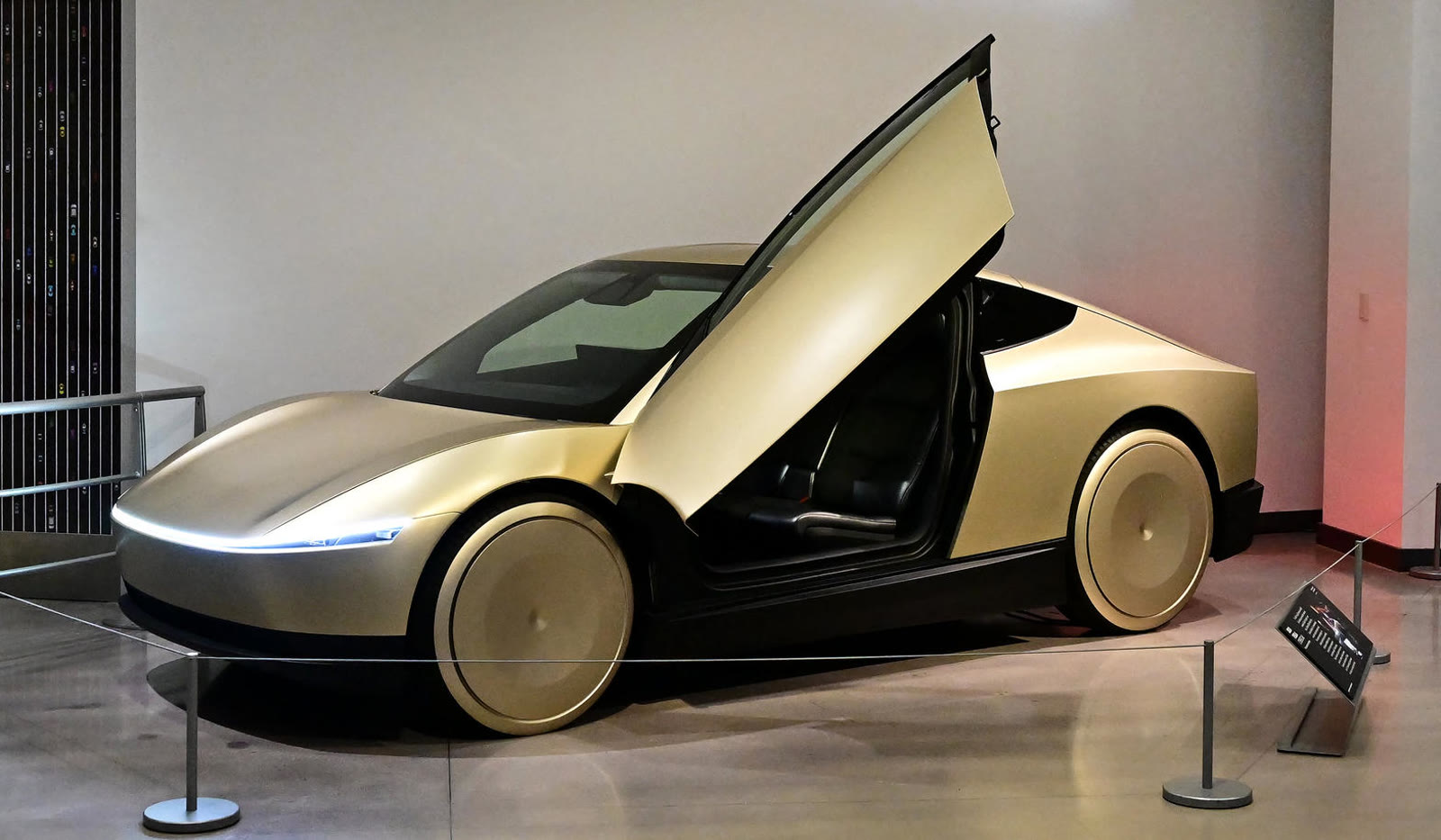
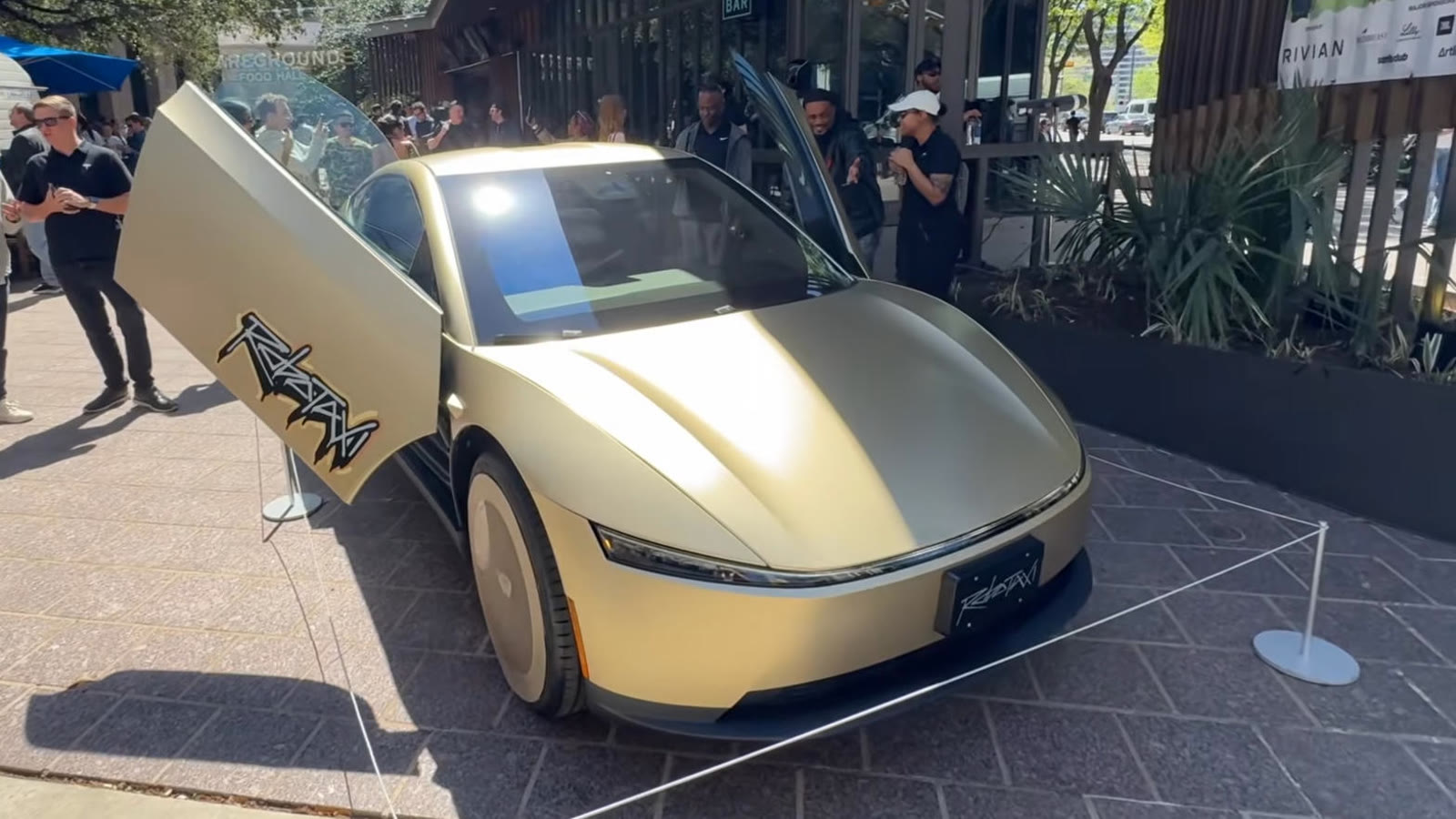
The Cybercab is easy to underestimate because it looks like a toy. Two seats. Gold paint. Doors that open like a concept from a motor show that already happened. The people who will write it off this month will be the same people who wrote off the Model 3 for being boring, then bought one.
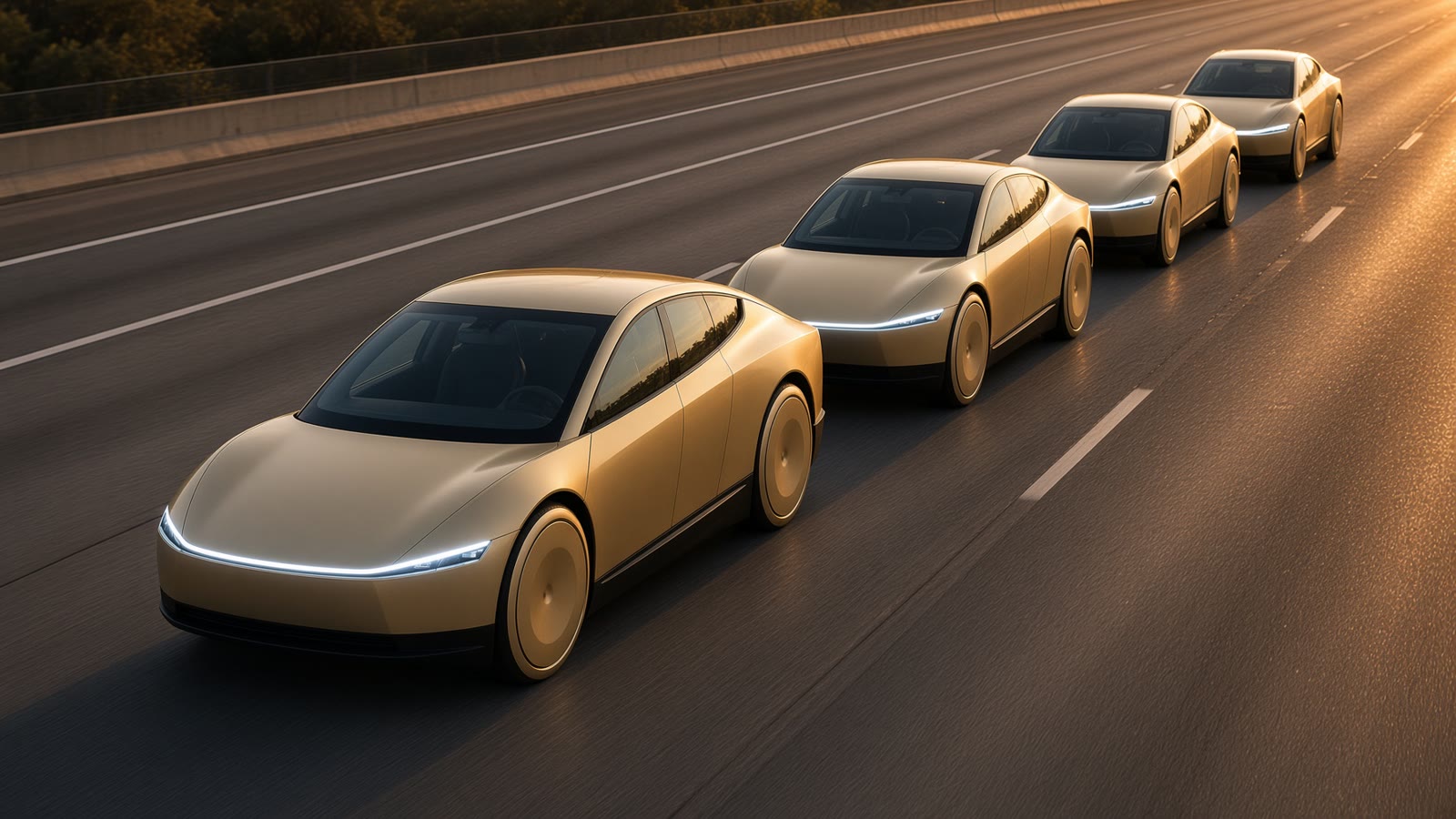
What Tesla is actually selling is a subtraction. Subtract the driver. Subtract the extra seats. Subtract the idea that a car is an object you store, insure, wash, and identify with. If a two-seat robotaxi is cheap enough and close enough, the second car in a household is an antique. The first car becomes negotiable.
That is a much larger story than whether the Sept. 3 event has good catering. American cities are zoned around driveways. American credit is zoned around auto loans. American adolescence is zoned around a license. A successful Cybercab does not just compete with Waymo. It competes with the F-150 in the garage that moves a person, not a two-by-four, sixteen times a week.
It will fail in the ways robotaxis always fail: weather, edge cases, a gruesome video, a city council. It might also succeed in the way Tesla products succeed, which is by being good enough, everywhere enough, that the alternative starts to feel like a hobby. I do not know if the gold coupe is that product. I know that a news site named after it is not covering a car. It is covering a bet that the steering wheel was the last century’s user interface, and that the next one is a door that opens by itself at the curb.