TECH · Tech
Skin Deep: Cybercab Sheds a Door Panel in Philadelphia Fender-Bender, and the Frame Underneath Holds
A low-speed collision on South Broad Street popped the molded outer skin off a test Cybercab's driver door. Photos show the glass intact and the structure unbent, and with no driverless permit in Pennsylvania, a human was likely at the wheel.
Riley Cho, Live desk
Published · 3 min read
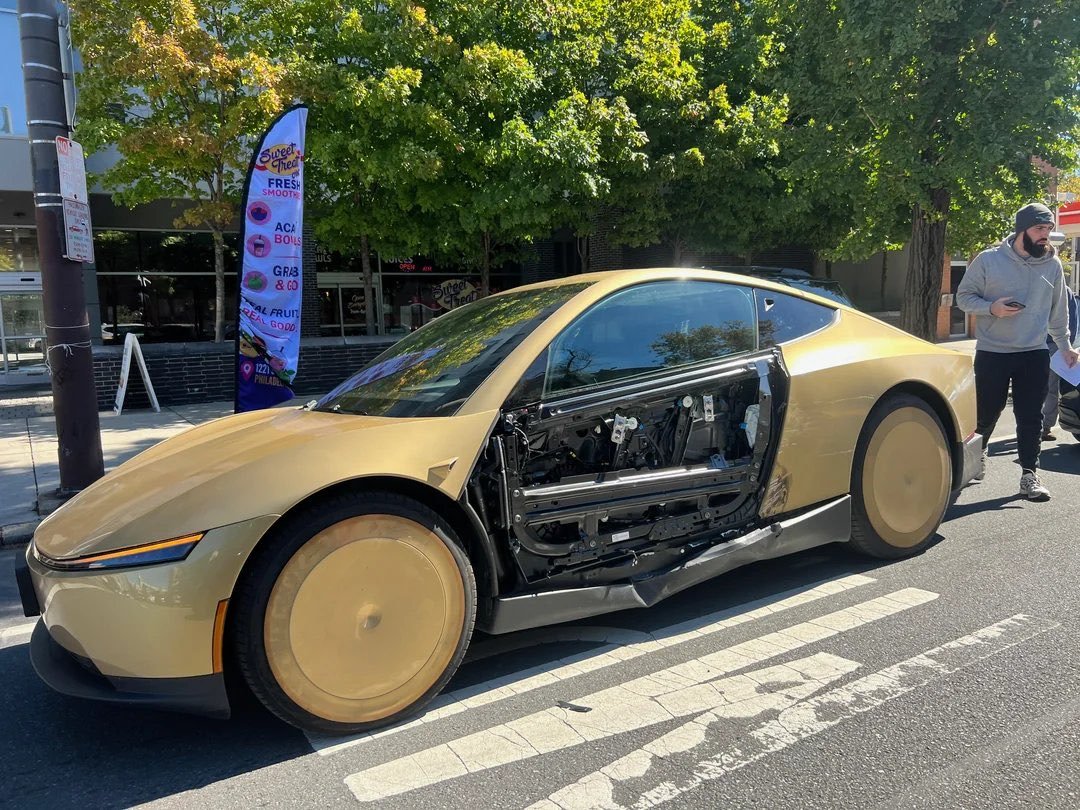
PHILADELPHIA - A gold Tesla Cybercab came out of a low-speed collision on South Broad Street this week missing the outer skin of its driver-side door. The photos give the clearest public look yet at what sits underneath the two-seater's molded body panels, and the structure there appears to have held.
The pictures were first posted on Reddit by a user named ryephila, who did not see the crash but wrote that "it looked like a low speed incident ripped off the cybercab's left door panel." Electrek placed the car a little over a mile south of City Hall. Tesla watcher TeslaZoa flagged the incident on X early Wednesday, and Robotaxi Radar, an account that tracks Tesla's driverless rollout, shared the images later in the day.
The damage looks contained. The door's inner frame, window regulator, latch hardware and wiring are exposed, along with a crossbar that runs the length of the door to guard against side impacts. The glass is intact and the structure beneath does not appear bent, according to Electrek and Not a Tesla App. The rocker trim below the door is crumpled and the rear quarter panel is scuffed. There has been no word of any injuries.
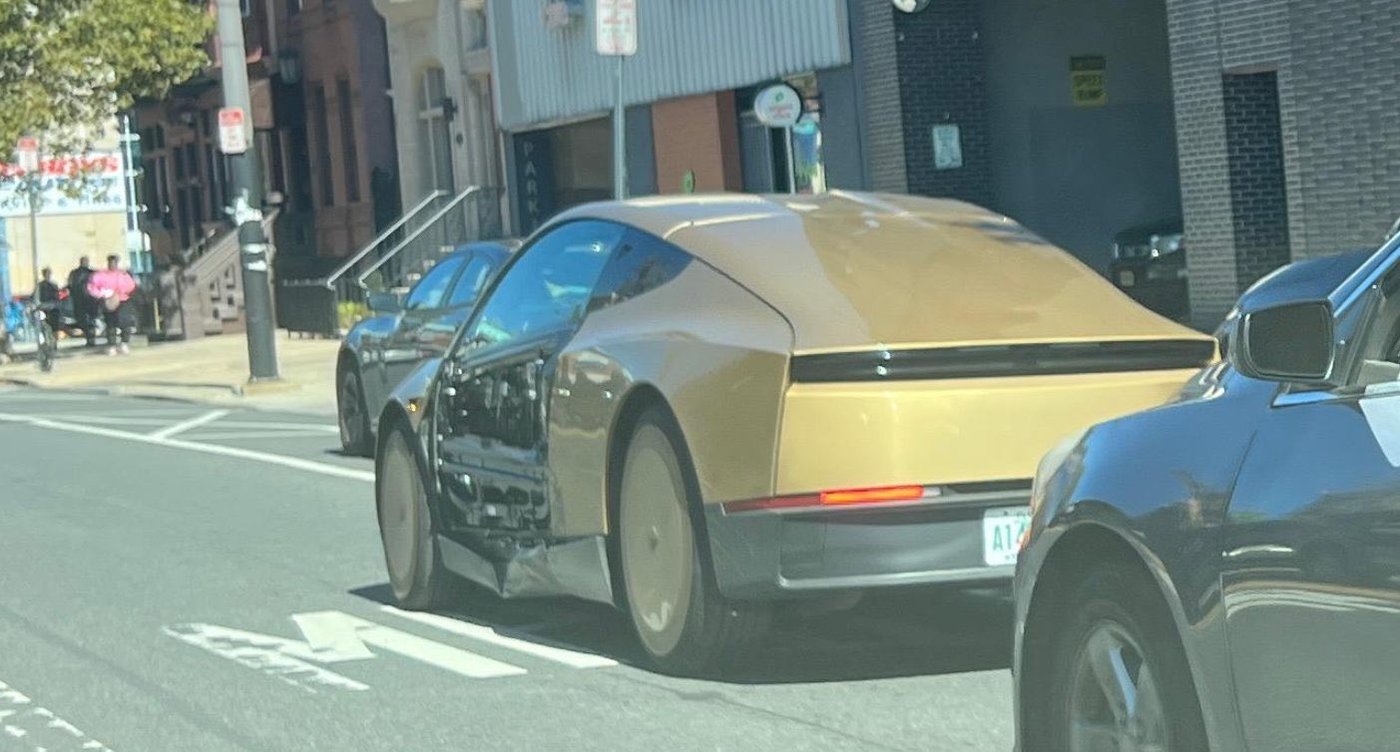
Who was at fault has not been confirmed. A second photo shows a dark sedan stopped directly behind the Cybercab, though it is not clear whether that car was involved.
The way the panel came off is close to what the design calls for. Tesla does not paint the Cybercab. Its body panels are made by reaction injection molding, with the color mixed into the material, and each skin is held on by fasteners reached from the inside. Robotaxi Radar said the hit exposed "the aluminum and steel under the reaction injection molded panel."
On a steel-bodied car, a similar impact would usually mean a dented door, a body shop and a paint booth. Here, in principle, Tesla can fit a new skin and send the car back out, although Electrek noted that the damage lower on the body could make the repair more involved.
Philadelphia is not a Robotaxi market. Pennsylvania requires a certificate from PennDOT, the state transportation department, to operate a highly automated vehicle, and Tesla is not on the list of holders, Electrek reported. That means the car was most likely being driven by hand or running Tesla's software as a supervised driver-assist system, with a human behind the wheel. "This one had a driver, since Philly isn't open for Robotaxi service yet," Robotaxi Radar wrote.
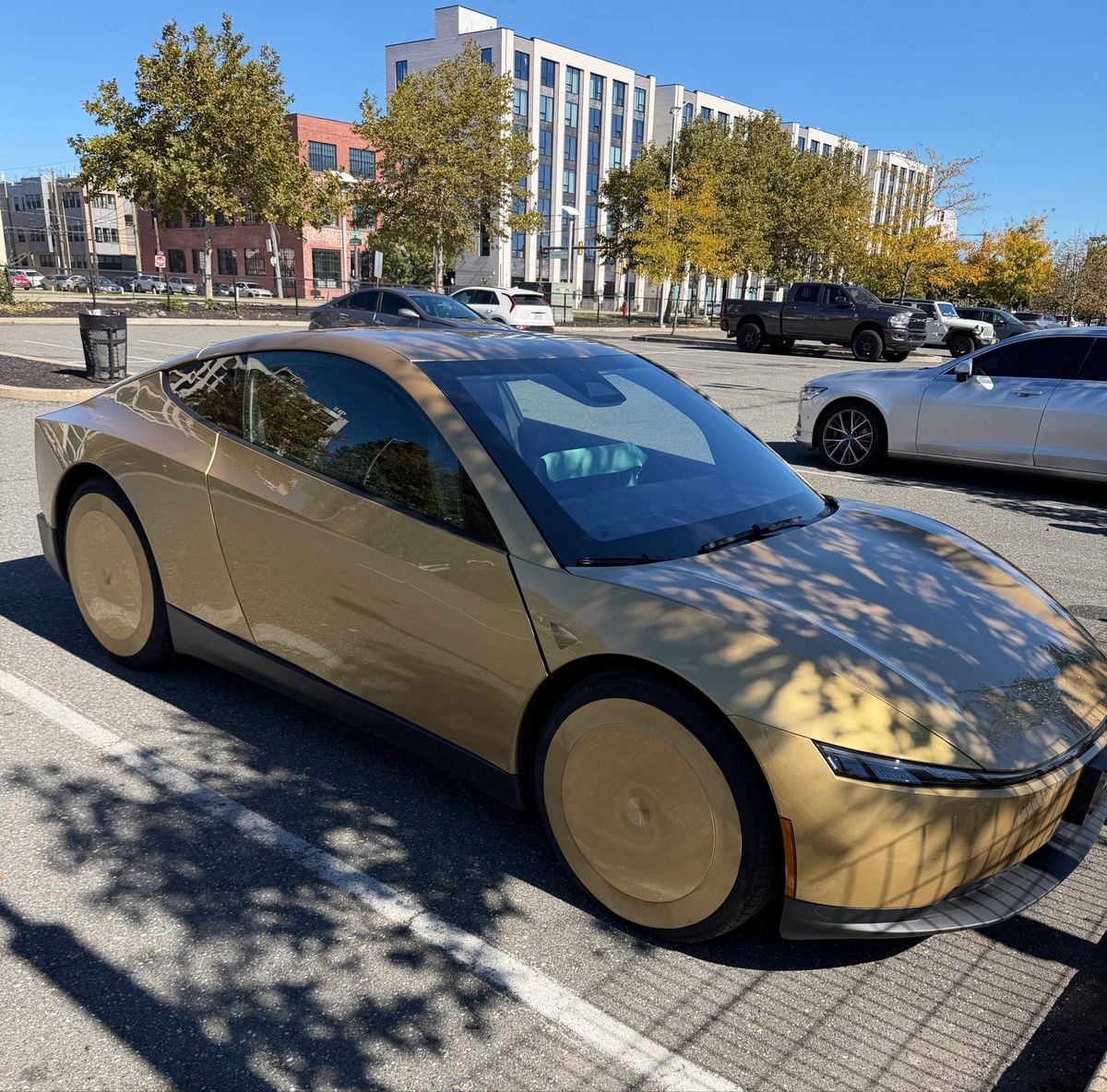
Gold Cybercabs have been turning up around the city since mid-September. Robotaxi Radar logged its third Philadelphia-area sighting of the month on Tuesday, and another Cybercab was spotted testing by the Schuylkill River on Wednesday. Radar said it was unconfirmed whether that was the same car.
The door skin is only the outer layer of the car's protection. The Cybercab carries 10 adaptive airbags, including seat-mounted side airbags on both sides of each seat, and its doors have a mechanical release built into the regular button so riders can get out even if the car loses power, Not a Tesla App noted.
Tesla's commercial Robotaxi fleet has so far had a mostly positive record, the site added, with most of its reported incidents being minor, low-speed events caused by other drivers. As more Cybercabs reach public roads in more cities, small knocks like this one are bound to happen. This one left the car's frame looking intact.
Riley Cho covers Cybercab product details and the numbers behind the rollout. Based in Austin.