TECH · Tech
One Million Per Millisecond: The Camera System Processing Every Cybercab Journey
Tesla says each robotaxi's neural network processes over one million pixels of visual data every millisecond from cameras offering a 360-degree view. That rate, sustained across 3.1 million miles, puts the vision system at the center of how the fleet sees and decides.
Riley Cho, Tech desk
Published · 5 min read
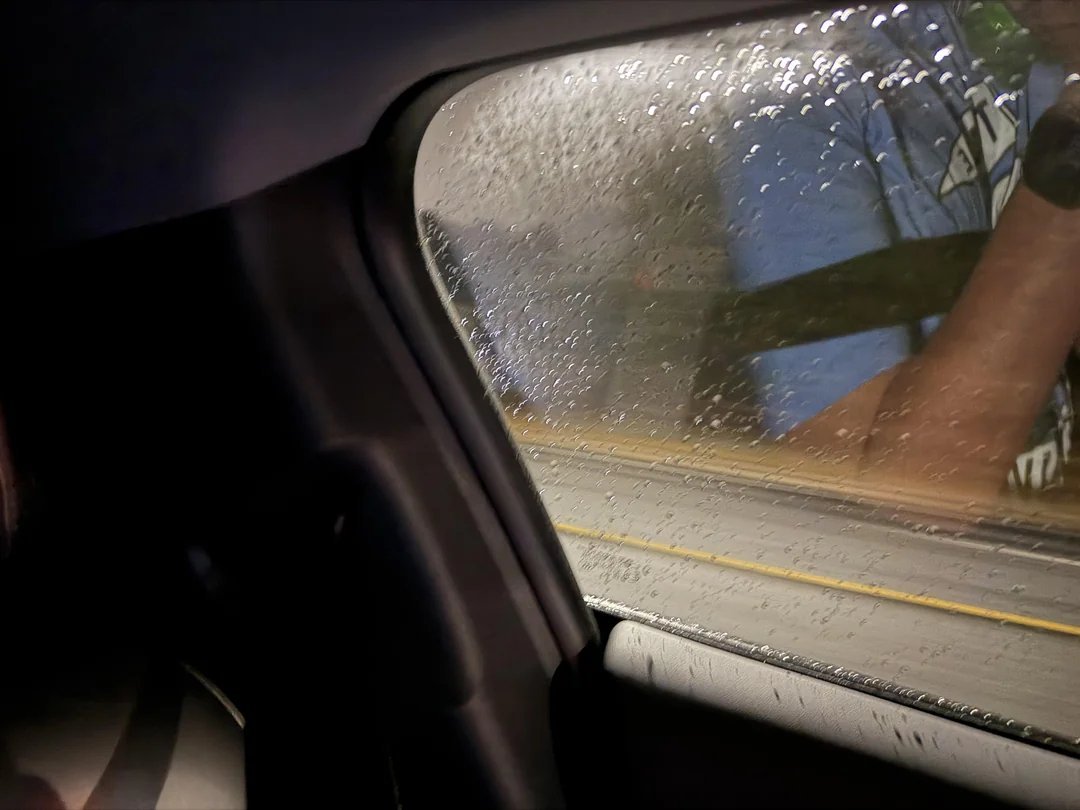
Tesla's robotaxi fleet processes over one million pixels of anonymized visual data every millisecond from cameras that give each vehicle a 360-degree view, according to the company's new safety website. That processing rate, sustained across every mile the fleet drives, is the foundation of how a Cybercab sees the road, reads traffic and decides what to do next.
The figure appears in the methodology section of Tesla's first public robotaxi safety report, posted Wednesday at Tesla.com/robotaxi/safety. The report does not break down how many cameras each vehicle carries or how the pixel count is distributed across them, but Tesla's current Full Self-Driving hardware suite uses eight external cameras covering all sides of the car. The Cybercab, which runs the same driving software as the Model Y robotaxis, uses a similar camera layout.
Processing a million pixels per millisecond means a billion pixels per second, or 3.6 trillion pixels every hour. Over the 3.1 million miles Tesla reported through 18 October, assuming an average speed of 25 miles per hour in mixed city and highway driving, the fleet would have processed roughly 450 quadrillion pixels. That is visual data from every angle, every moment, with no gaps and no off switch.
The cameras do not work alone. Tesla's neural network takes the pixel data and builds a three-dimensional model of the world around the car in real time. It identifies lanes, curbs, other vehicles, pedestrians, cyclists, traffic signals, stop signs, road markings and anything else that might affect the route. The network updates that model constantly as the car moves, predicting what other road users will do and planning a path that avoids them.
The 360-degree coverage is critical. A human driver has a forward view through the windshield, side views through the mirrors and a limited rear view. A robotaxi has no blind spots. Cameras at the front, rear, sides and corners feed a continuous stream of pixel data into the network, which processes all of it at once. The car sees in every direction simultaneously, and the network weighs all of it when deciding whether to accelerate, brake, steer or wait.
Tesla has bet its entire autonomous strategy on vision. The company does not use lidar, the laser-based sensors that map distance and depth by bouncing light off objects. Lidar is expensive, and Tesla has argued that humans drive using vision, so cameras and neural networks should be enough for a car to do the same. The Cybercab has no lidar. It has cameras, and it has a network trained on billions of miles of real-world driving data.
The processing happens on custom silicon. Tesla designed its own AI chip, currently in its fourth generation, to handle the neural network inference that turns camera pixels into driving decisions. Each chip runs trillions of operations per second, and each car carries multiple chips for redundancy. If one fails, the others take over. The system is built to keep processing no matter what.
The anonymized visual data Tesla mentions in the report means the cameras capture everything but do not identify individuals. Faces, license plates and other personally identifiable details are stripped out before the data is processed or stored. The neural network sees a pedestrian, a car, a cyclist, but not who they are. The privacy layer is separate from the safety layer, and both run in real time.
The million-pixel-per-millisecond figure is not a burst rate or a peak capability. It is the sustained processing load the fleet carries on every trip. A Cybercab idling at a red light is processing a million pixels per millisecond. A Model Y robotaxi navigating a highway merge is processing a million pixels per millisecond. The rate does not change with speed, traffic or weather. The cameras keep feeding pixels, and the network keeps processing them.
Tesla's safety report shows the fleet drove 862,000 miles after dark, when cameras are the only option for vision. Lidar works in the dark, but Tesla does not have it. The cameras do, and the neural network compensates for lower light by increasing sensitivity and relying on patterns it learned from training data. The million-pixel rate holds at night, in rain, in rush hour and in every other condition the fleet has encountered.
The camera system is not infallible. NHTSA crash data shows Tesla robotaxis have filed 36 incident reports since June 2025, including low-speed contact with parked cars, dumpsters, chains across driveways and potholes. Some of those crashes involved objects the cameras should have seen. The network processes a million pixels per millisecond, but processing is not the same as perfect decision-making. The system sees. It does not always avoid.
What the pixel rate shows is scale. Tesla has built a vision system that can sustain real-time processing across a growing fleet, day and night, in six cities and counting. The network has driven 3.1 million miles with no safety monitor on board, caused zero injuries and hit zero pedestrians or cyclists, according to the report. The million pixels per millisecond are the input. The zero injuries are the output. The cameras see everything. The network decides what to do with it.
Processing a million pixels per millisecond means a billion pixels per second, or 3.6 trillion pixels every hour. Over 3.1 million miles, the fleet processed roughly 450 quadrillion pixels.
About the Author
Riley Cho
Riley Cho reports on Robotaxi operations across cities, technical developments, and Austin fleet news.