POLICY · Policy
Answer Due: NHTSA Gives Tesla Until 30 October to Defend Cybercab Certification
Tesla has one week to deliver sworn answers on how it certified the Cybercab for public roads without a steering wheel, brake pedal, or gas pedal. The agency granted a month extension, not the eight weeks Tesla wanted.
Priya Nair, Policy desk
Published · 3 min read
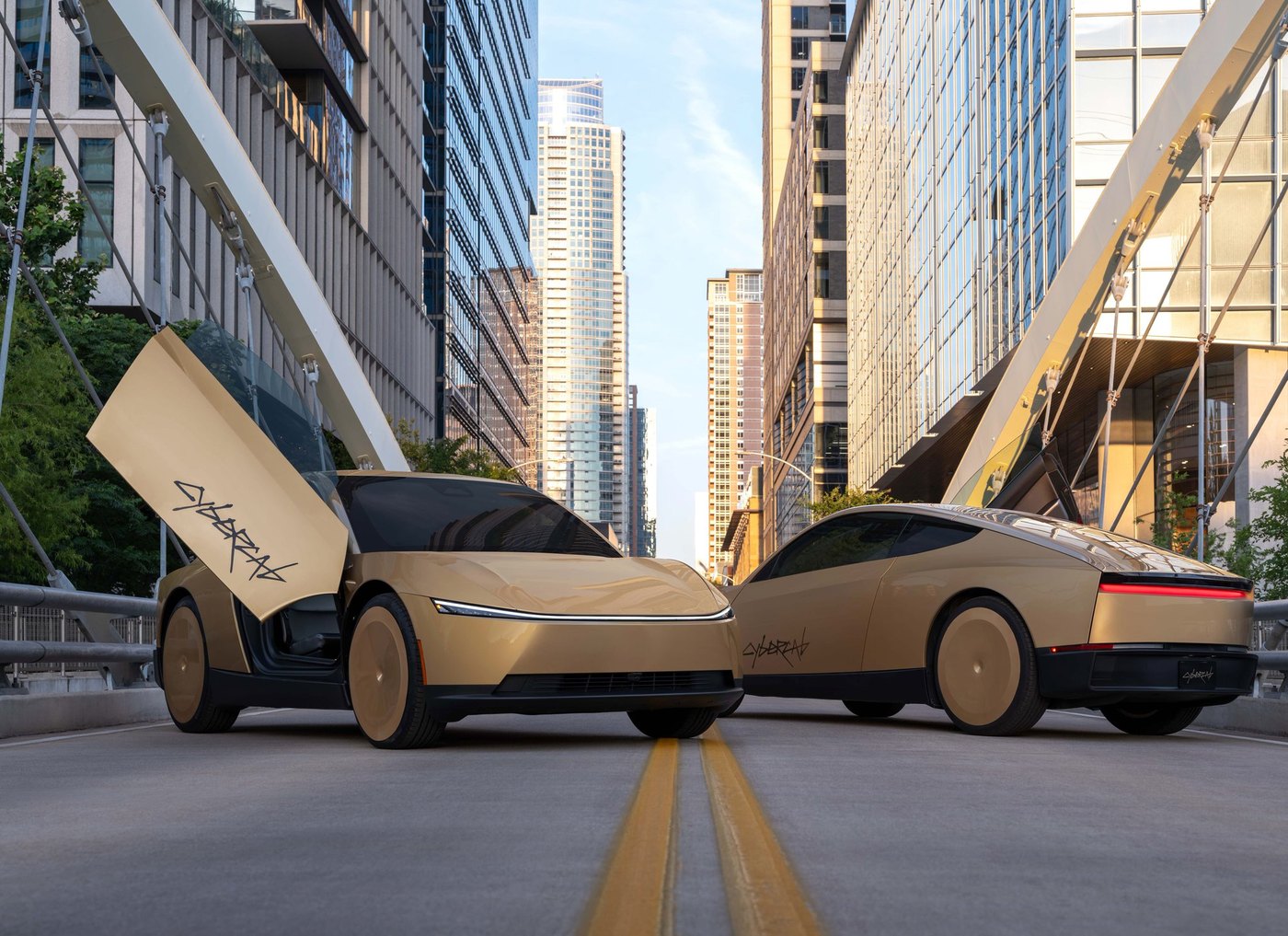
WASHINGTON - Tesla has one week left to explain to federal regulators how it certified the Cybercab for public roads. The National Highway Traffic Safety Administration set 30 October as the deadline for Tesla to deliver a sworn response to questions about the robotaxi's compliance with federal motor vehicle safety standards. The vehicle lacks a steering wheel, brake pedal, gas pedal and traditional mirrors.
A public NHTSA memo shows Tesla asked on 18 September for an eight-week extension to 20 November, citing the voluminous nature of the request, the need to conduct a diligent search of records, review material for responsiveness and privilege, and organize information into thorough narrative formats in response to each question. NHTSA granted 30 days on 22 September, moving the due date from the original 30 September deadline to 30 October.
The deadline belongs to a Special Order signed 10 September by NHTSA Chief Counsel Peter Simshauser. Tesla's response has to come with an affidavit from a responsible company officer swearing the answers are complete and correct. The order escalated an audit query NHTSA opened on 3 September, the day Tesla began commercial Cybercab service in Austin, into a legally enforceable demand.
Under federal law, automakers certify their own vehicles as meeting every applicable Federal Motor Vehicle Safety Standard, rather than getting approval upfront. NHTSA opened Audit Query AQ26002 to examine how Tesla reached that conclusion for a car that lacks manual controls most safety standards assume are present. The agency's opening resume estimates the population at 1,000 vehicles.
The audit is looking at the process and technical data on which Tesla relied when certifying the Cybercab. Among other things, NHTSA said it will consider the extent to which Tesla's certification depended on determinations that certain safety standards are inapplicable to the Cybercab. Standards covering steering systems, brake controls and driver visibility, for example, reference hardware the Cybercab does not have.
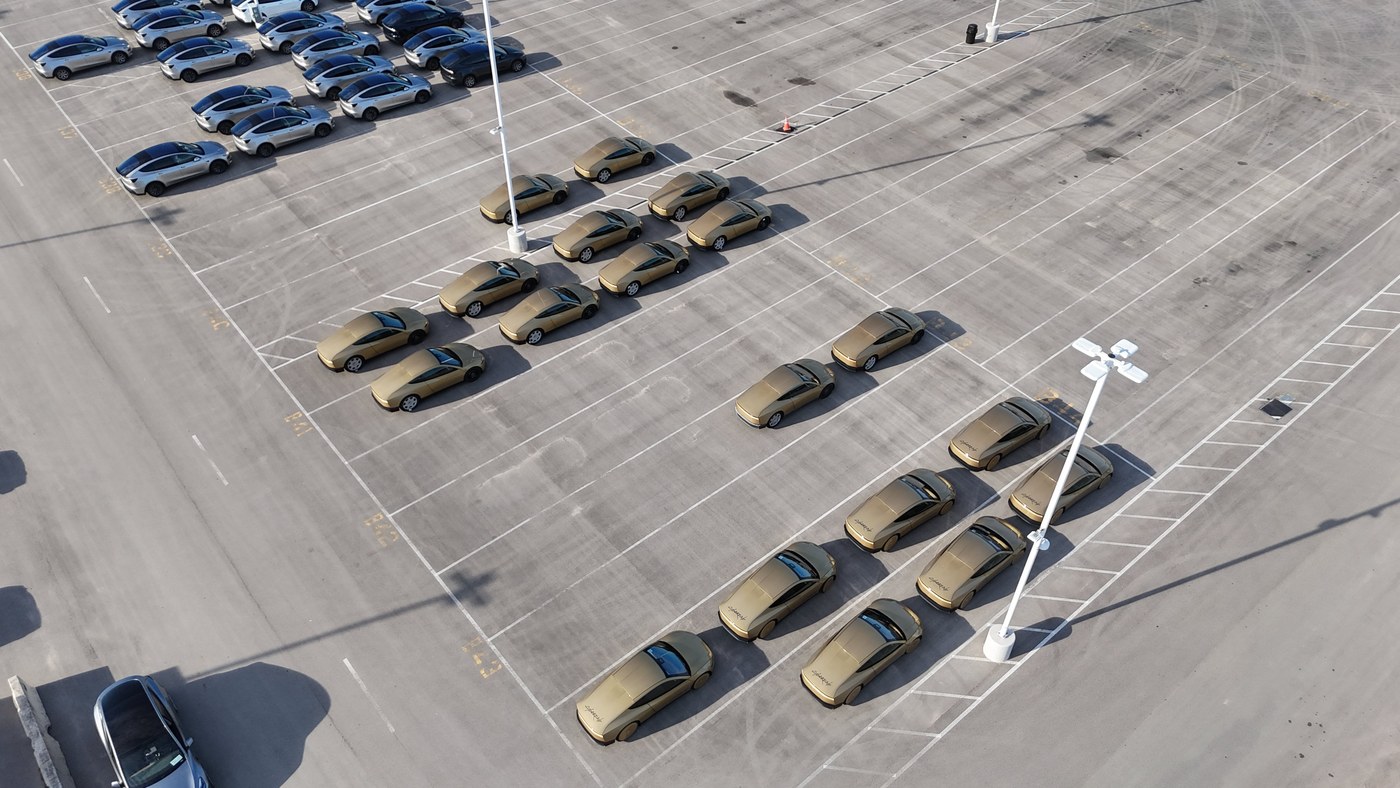
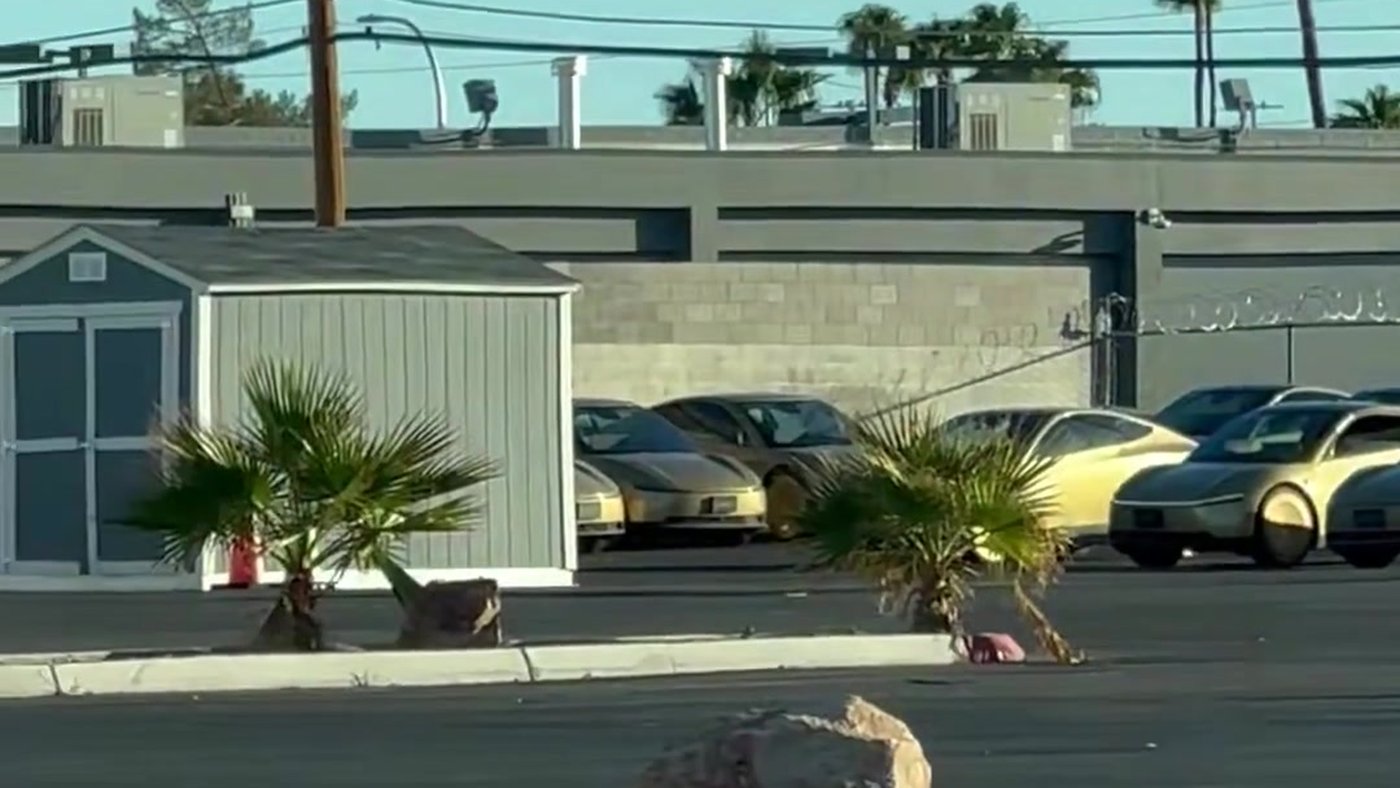
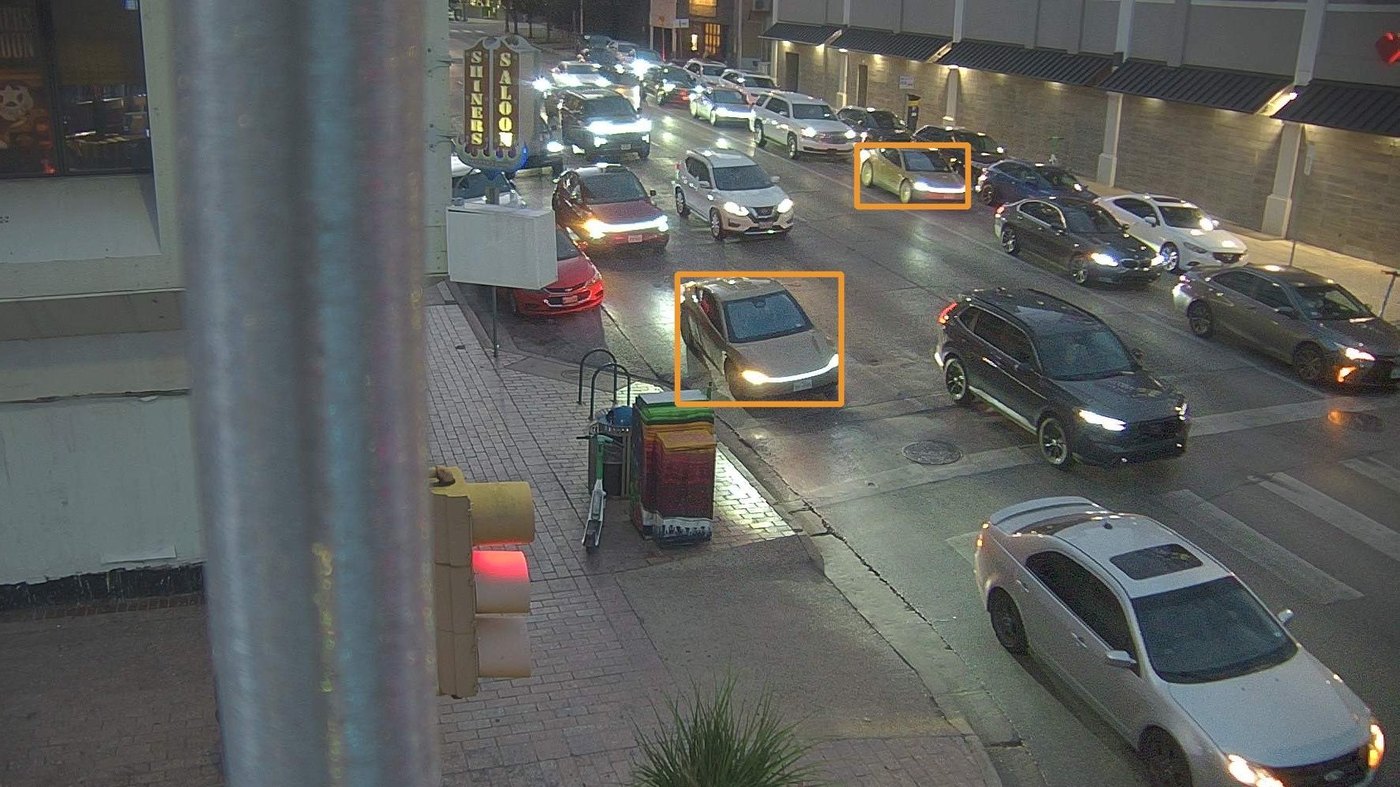
Texas vehicle records show Tesla now has 351 Cybercabs registered for commercial autonomous operation in the state, along with 507 Model Y robotaxis, according to fleet trackers that monitor the public registry. The Cybercab fleet has grown from 45 vehicles when public rides opened to more than 300 in Austin alone, Tesla has said. The company announced on the earnings call this week that Dallas will begin Cybercab rides in November.
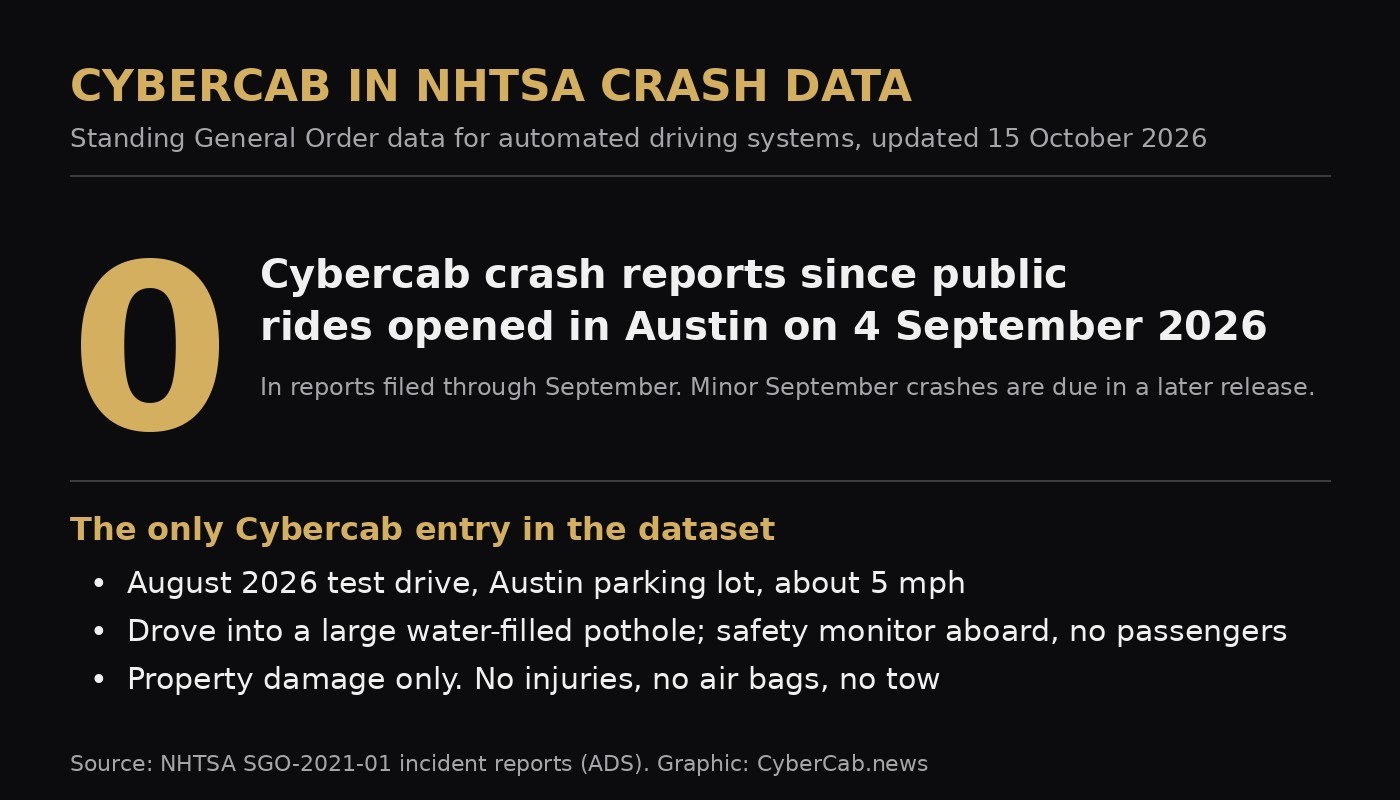
The audit is separate from normal crash reporting. Tesla still files every Cybercab collision that meets federal thresholds with NHTSA under its Standing General Order, whether or not the certification review is complete. NHTSA's latest automated driving crash data, updated 15 October, listed no Cybercab crash since public rides began. The only Cybercab entry in the entire dataset is a 5 mph August test drive into a parking-lot pothole, with property damage only and no injuries.
The October 30 response is not public until NHTSA decides to release it. The agency has not said when it will make a determination on Tesla's certification. The audit is not a recall, not a grounding order and not an exemption. Rides have continued throughout the review. No public statement from NHTSA or Tesla has indicated the agency plans to halt the service.
For Tesla, the clock runs out in seven days. The company will file its sworn answers, NHTSA will review them, and the question of whether a car without a steering wheel can legally carry paying passengers on American roads will move one step closer to a federal verdict.
Tesla asked for eight weeks. NHTSA granted 30 days, moving the due date to 30 October. The company will file sworn answers, and NHTSA will review them.
About the Author
Priya Nair
Priya Nair reports on autonomous vehicle policy and regulatory developments.