POLICY · Policy
Clean Start: Federal Crash Data Shows Zero Cybercab Crashes in First Two Weeks of Public Rides
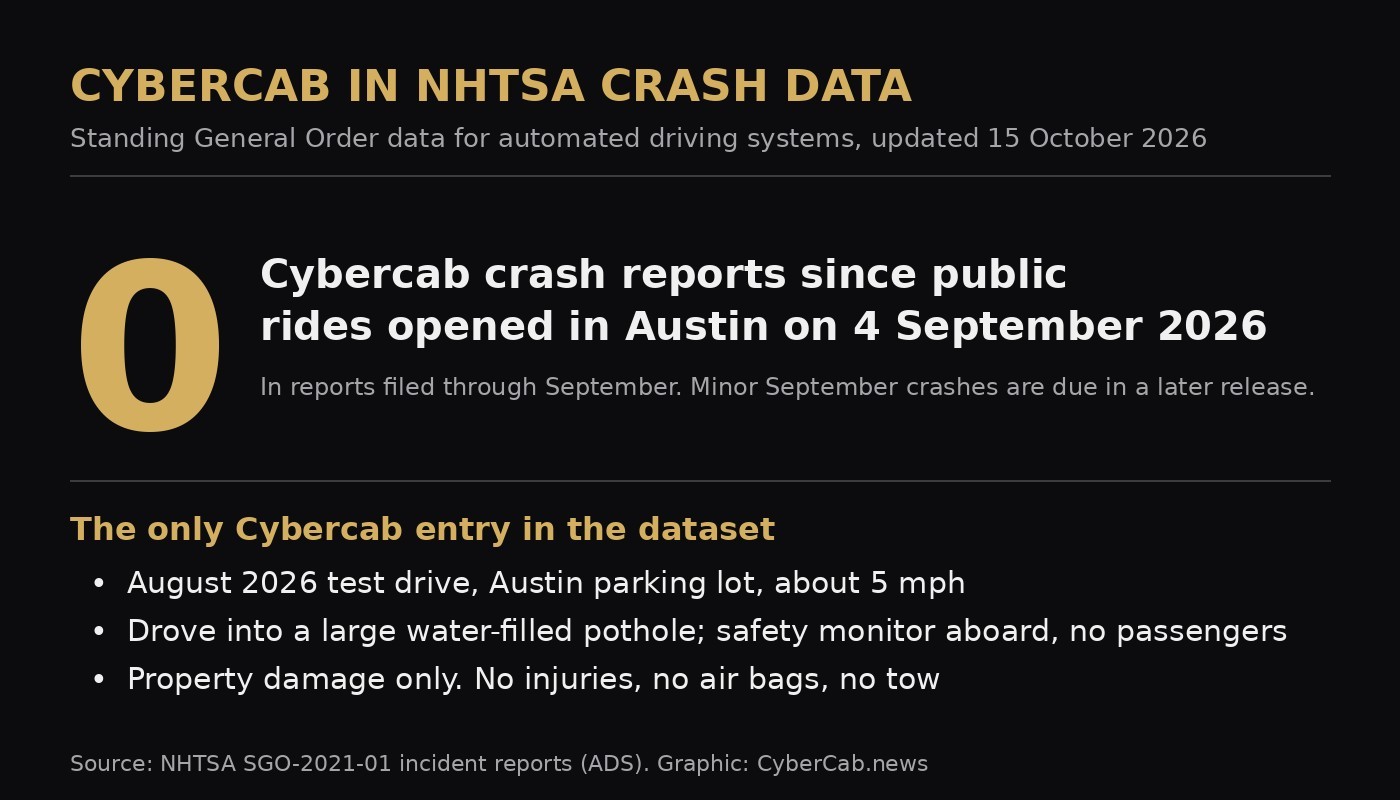
NHTSA's latest automated driving crash data, updated Thursday, lists no Cybercab crash since Tesla opened rides to the public in Austin on 4 September. The only Cybercab entry in the whole dataset is a 5 mph August test drive into a parking-lot pothole.
Priya Nair, Policy desk
Published · 3 min read
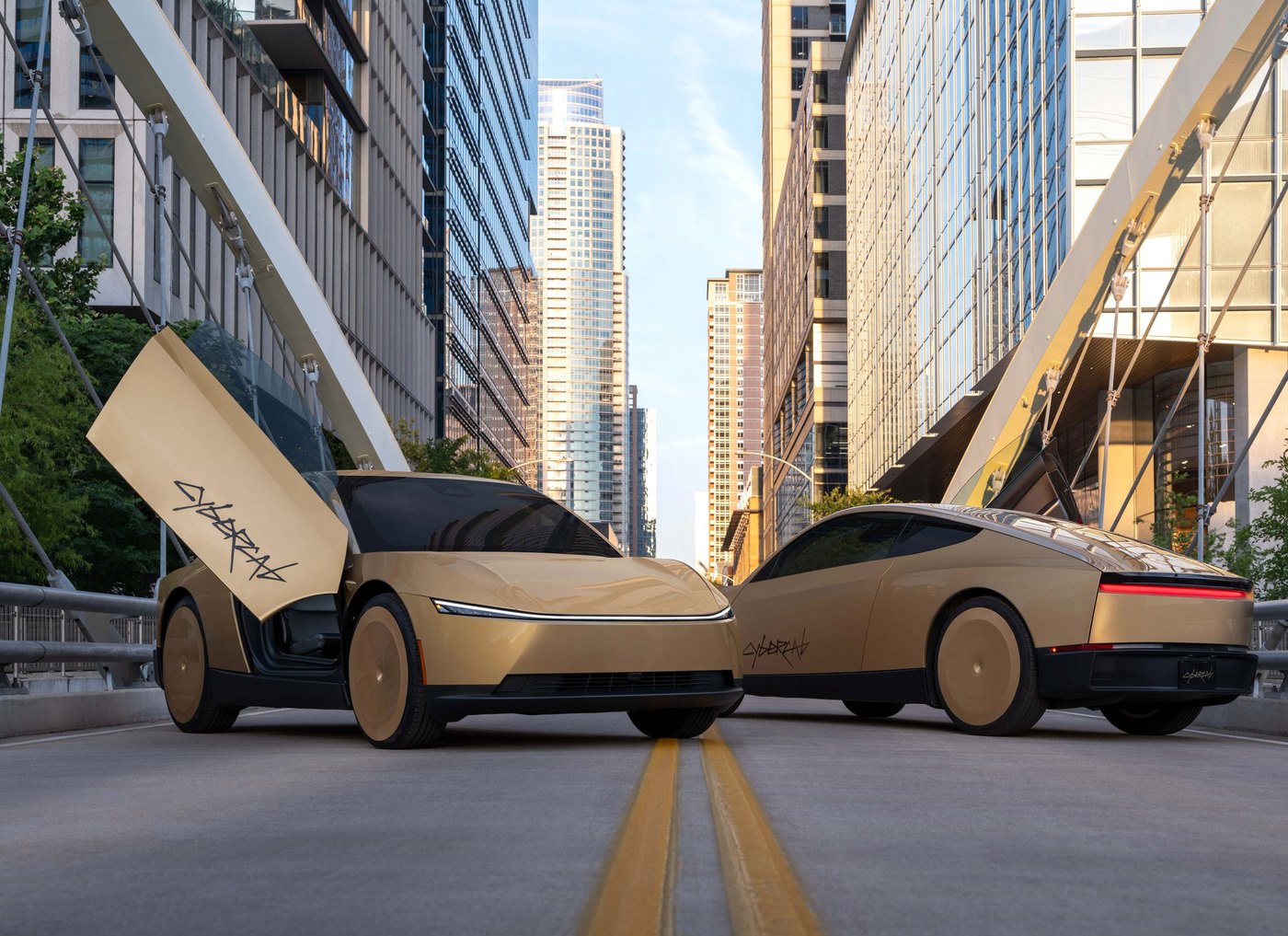
WASHINGTON - Tesla's Cybercab has come through its first federal crash check as a public robotaxi with a clean sheet. The National Highway Traffic Safety Administration's crash data for automated driving systems, updated on Thursday, lists no Cybercab crash since Tesla opened rides to the public in Austin on 4 September. Sawyer Merritt flagged the result on X on Thursday afternoon, writing that Cybercabs were involved in zero crashes or accidents during their first two weeks of public rides.
The figures come from NHTSA's Standing General Order, which requires every company running driverless cars on public roads, from Waymo and Zoox to Tesla, to report crashes to the agency. Crashes that meet the order's more serious thresholds must be reported within five days. Lesser crashes are filed in a monthly report.
Thursday's update carries the five-day reports for September. Twelve crashes from that month appear in it: ten reported by Waymo, one by Zoox and one by Motional. None was reported by Tesla, for Cybercab or for the Model Y robotaxis that make up the rest of its fleet. Waymo runs a far larger fleet in more cities, so the raw counts are not a like-for-like comparison. Minor September crashes are due in the monthly filings and will appear in a later release, which makes this an early read rather than a final one.
The only Cybercab entry anywhere in the dataset predates public service. Tesla reported that in August, a Cybercab on a test drive in an Austin parking lot, moving at about 5 mph with a safety monitor aboard and no passengers, drove into a large pothole filled with water. The report lists property damage only. No one was hurt, no air bags deployed and the car was not towed.
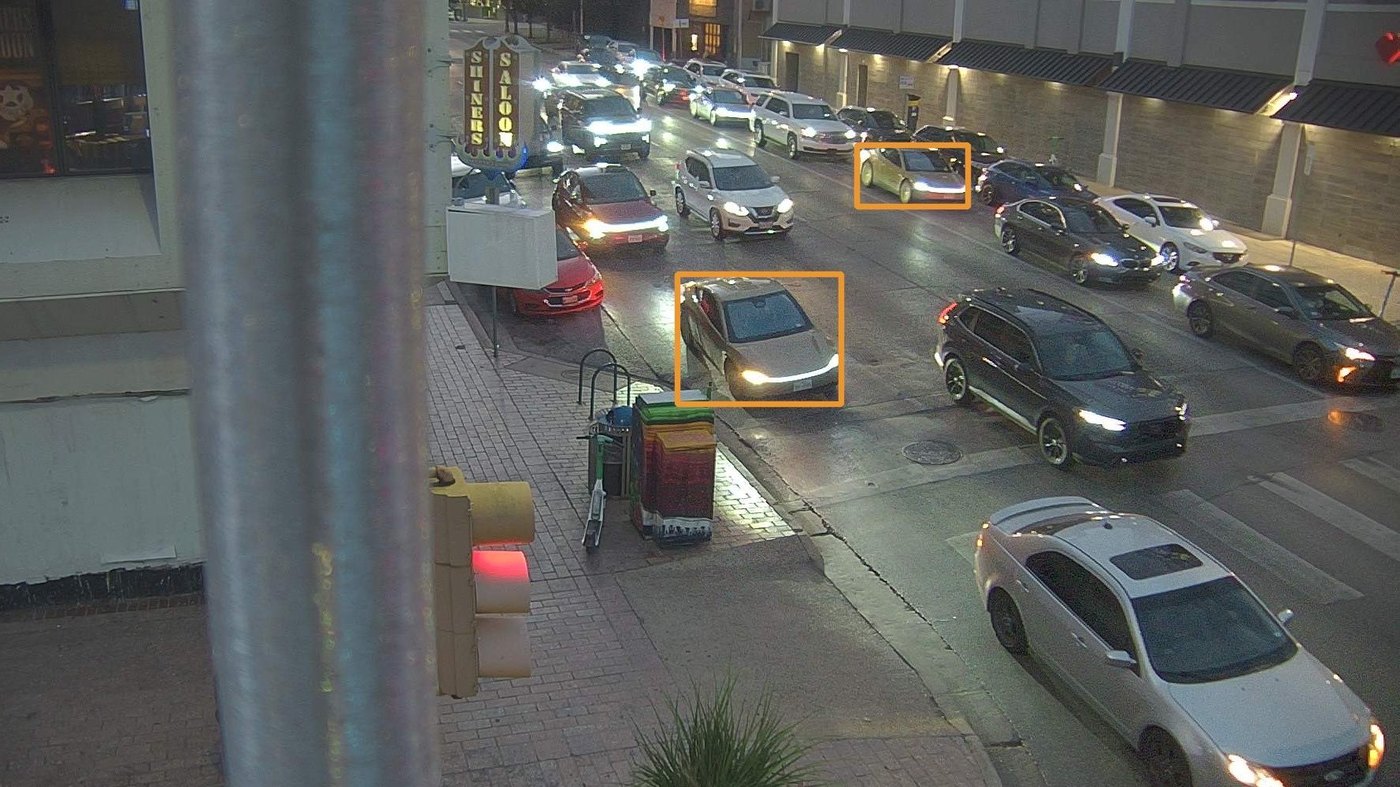
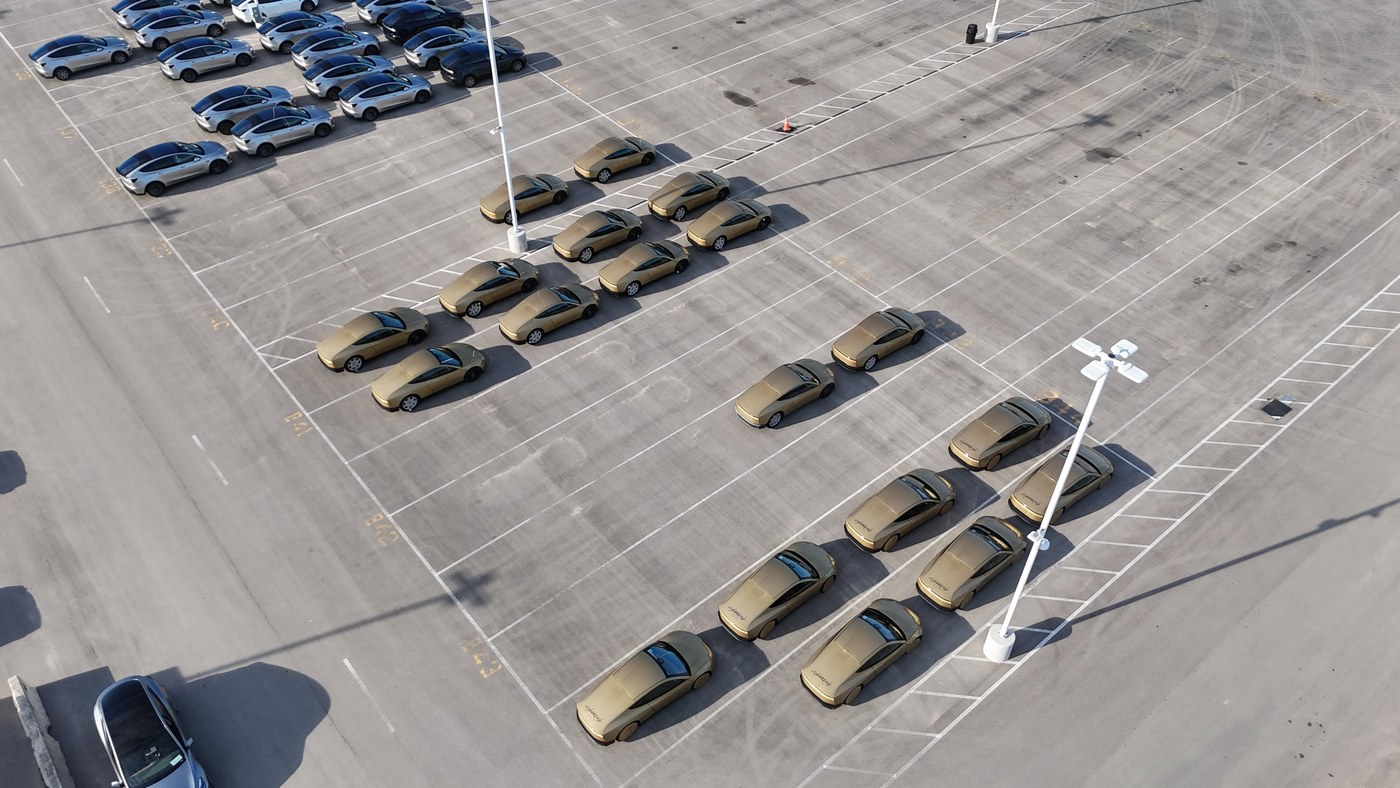
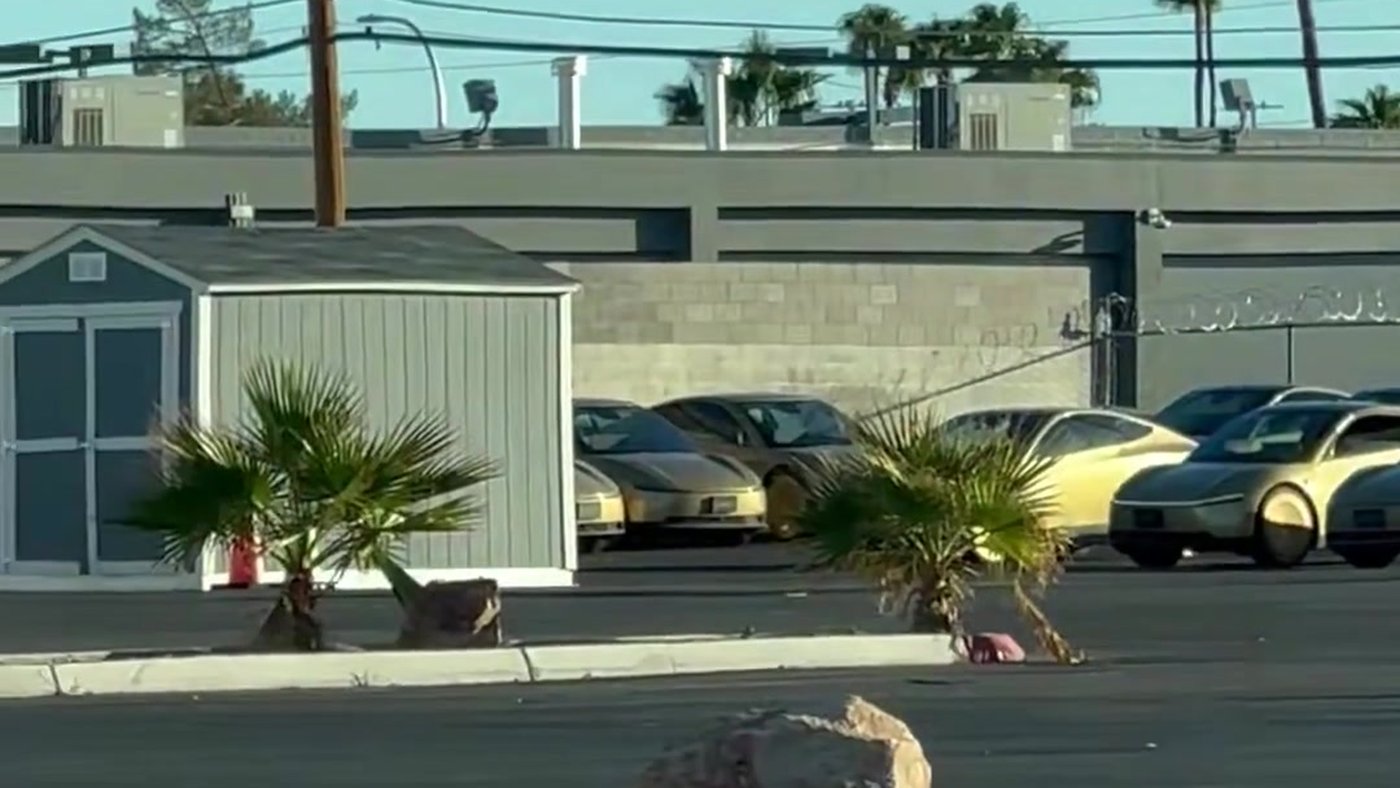
The clean start came while the fleet was growing fast. Texas Department of Motor Vehicles records showed 45 Cybercabs registered when public rides opened. This week the count reached 349, and Tesla has said more than 300 Cybercabs are now running in Austin. More cars on more streets means more miles in which something could go wrong, which is what makes an empty column worth noticing.
The car's federal paperwork is still under review. NHTSA opened an audit of Tesla's self-certification of Cybercab on 3 September, and an agency spokesperson told CNBC this month that Tesla had obtained an extension to answer its questions. The audit is not a recall, and rides have continued throughout.
Two weeks is a small sample, and the monthly filings still to come will fill in the rest of September. For now, the first public weeks of the Cybercab in the federal record are blank, and that is the line riders and regulators will be watching when the next release lands.