DID-YOU-KNOW · Did you know
Wait Math: Tesla Says Orchestration Algorithms Are Cutting Cybercab Waits
Tesla's Robotaxi account credits two things for shorter waits in Austin: more cars, and dispatch software that decides where those cars should be. One rider thinks he has already seen the software at work.
Riley Cho, Features writer, Live desk
Published · 2 min read
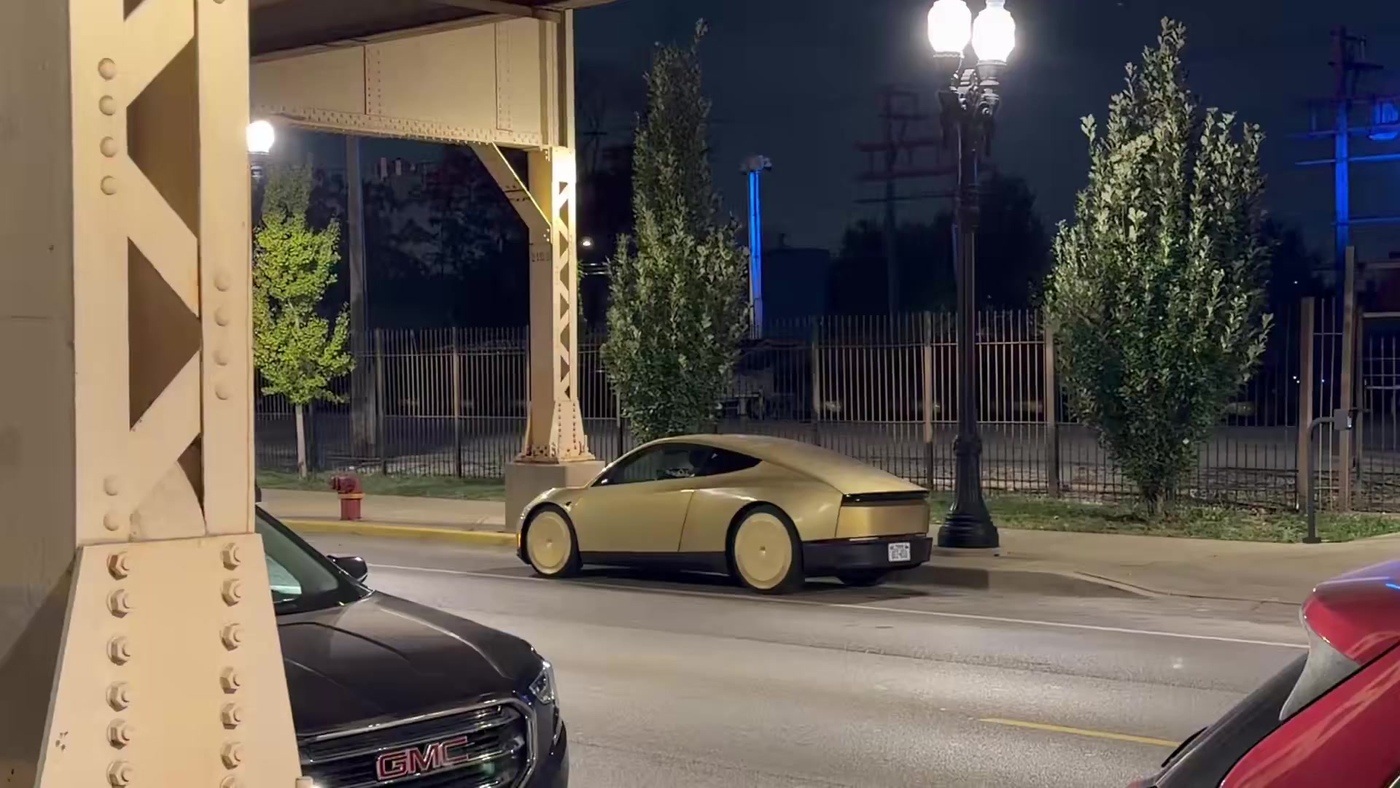
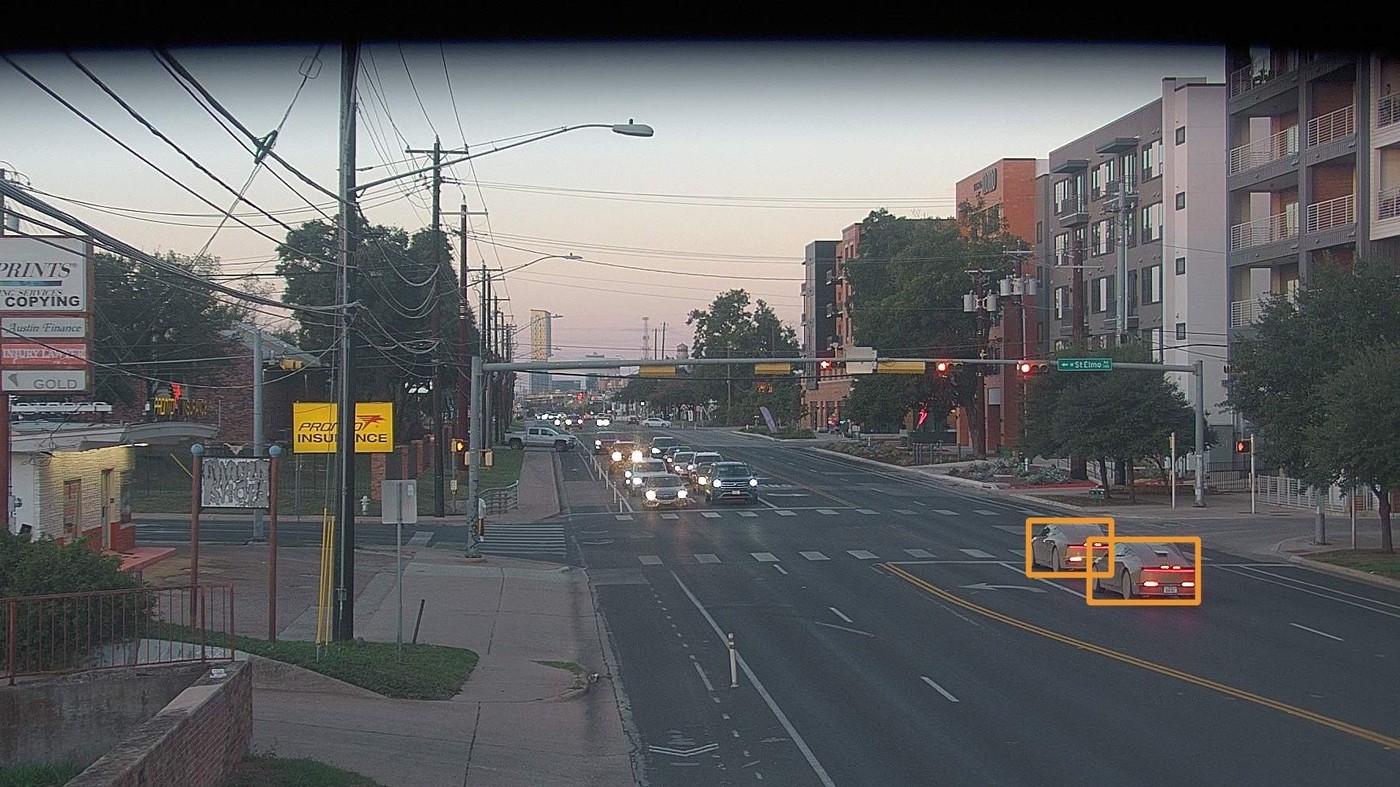
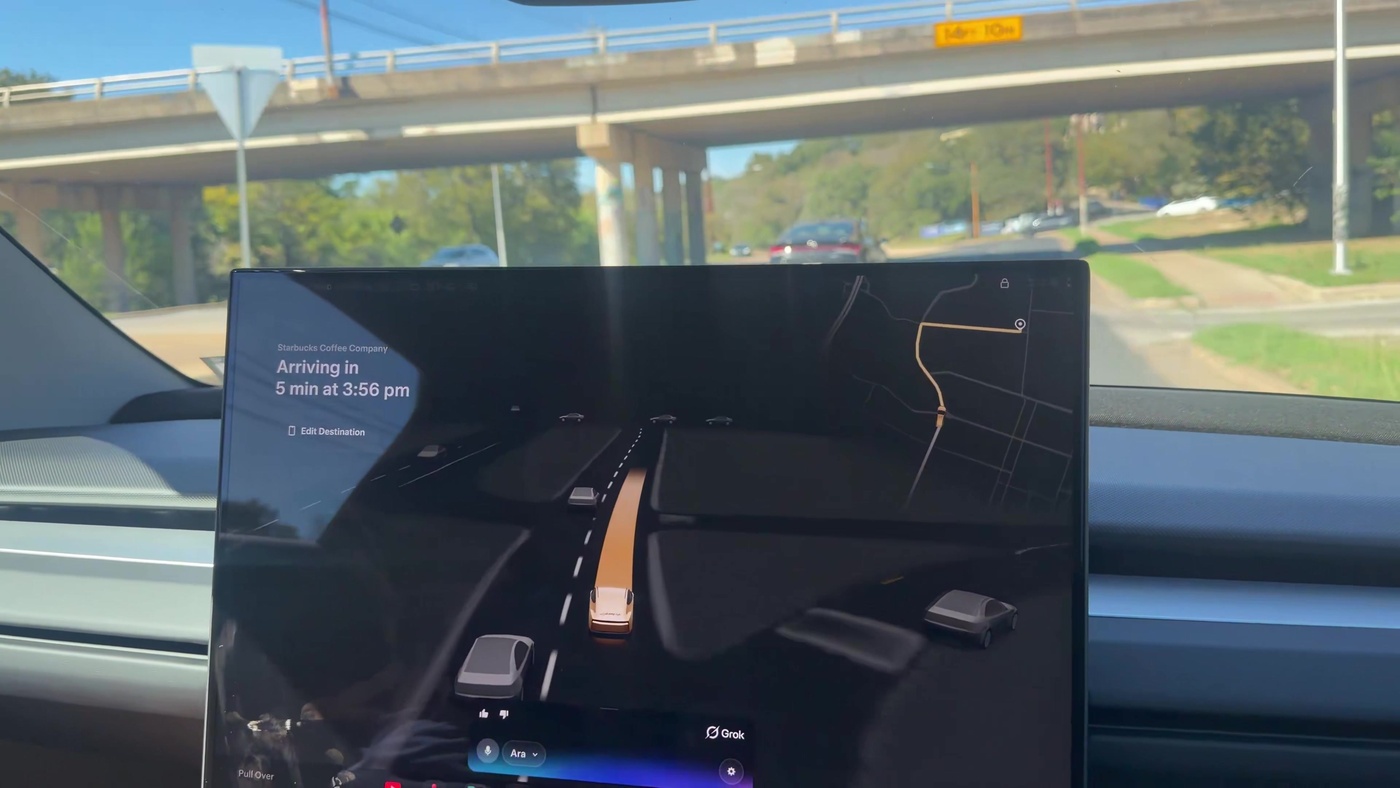
AUSTIN, Texas - Shorter Cybercab waits in Austin are not only about adding cars. Tesla says software is doing part of the work.
In a list of service updates posted on Monday, Tesla's official Robotaxi account said wait times had come down "thanks to increased supply & orchestration algorithms." The post has drawn more than 2.2 million views.
In ride-hailing, orchestration is the dispatch layer: the software that decides which car answers which request, and where idle cars should wait for the next one. In a driverless fleet it carries even more weight. With no drivers choosing where to cruise between fares, the system decides where every free car sits, when it heads off to charge and how far it travels to reach a rider.
Supply is the other half of Tesla's formula. The company says more than 300 Cybercabs now serve Austin, eight times as many as a month earlier. More cars give the dispatch software more pieces to place on the board.
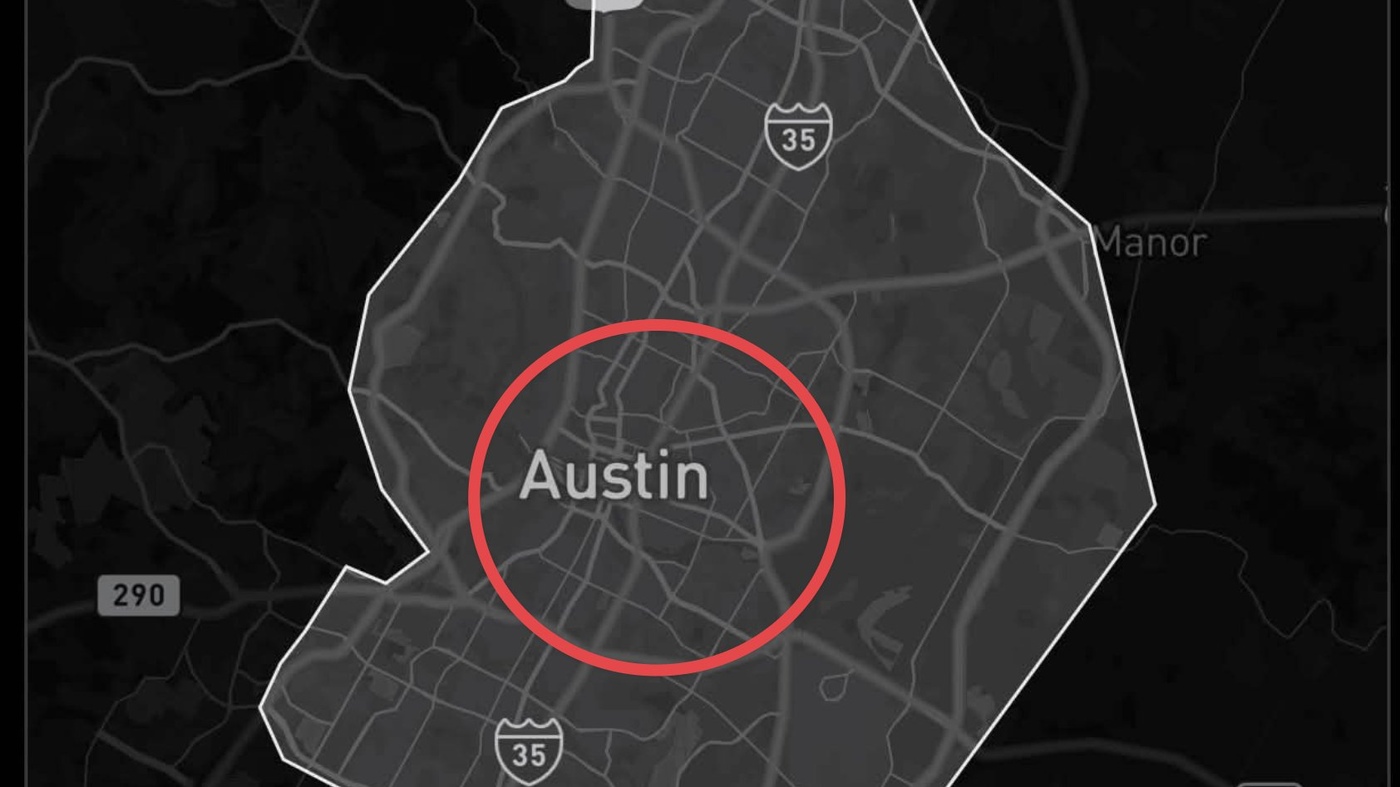
One rider thinks he has seen the algorithm in action. Dennis, who posts on X as @DennisCW_, wrote that when he tried to hail Cybercabs in Austin near the edge of the service area, he could not get one. In the center of downtown, he could get one within minutes. His guess is that the hailing radius shrinks as demand goes up, keeping cars close to where most riders are. He shared Tesla's Austin service map with downtown circled in red.
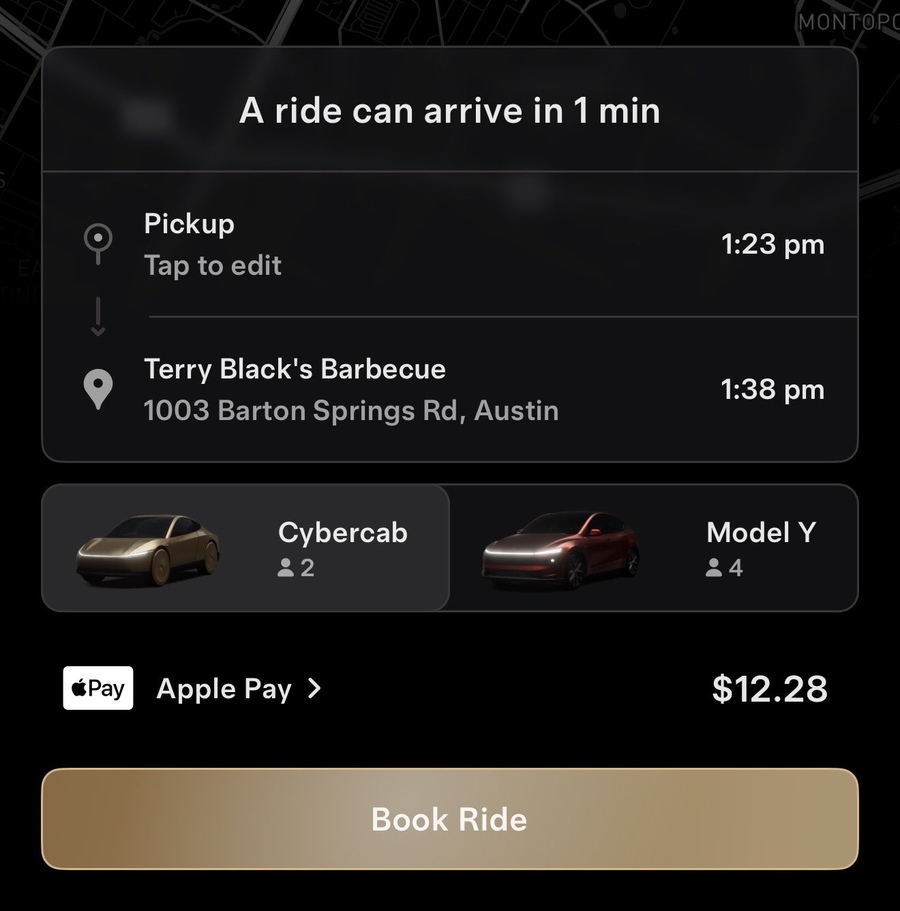
The short end of the wait clock is now very short. Earlier on Monday, Sawyer Merritt posted a Robotaxi app screen reading "A ride can arrive in 1 min," with the Cybercab selected for a trip to Terry Black's Barbecue on Barton Springs Road, and wrote that Cybercab wait times were basically zero.
Tesla has not explained how its orchestration works, and the shrinking radius is one rider's read. What Tesla has confirmed is the recipe: more cars, placed more cleverly, means less time standing at the curb.