TECH · Tech
Front Drive First: How Cybercab Ditched the Rear Motor to Cut Weight and Cost
EPA certification documents show the Cybercab uses a single 219-horsepower motor up front, making it the first front-wheel-drive Tesla. The choice stripped out a rear subframe, driveshaft and second motor to help reach a 3,113-pound curb weight.
Riley Cho, Tech desk
Published · 4 min read
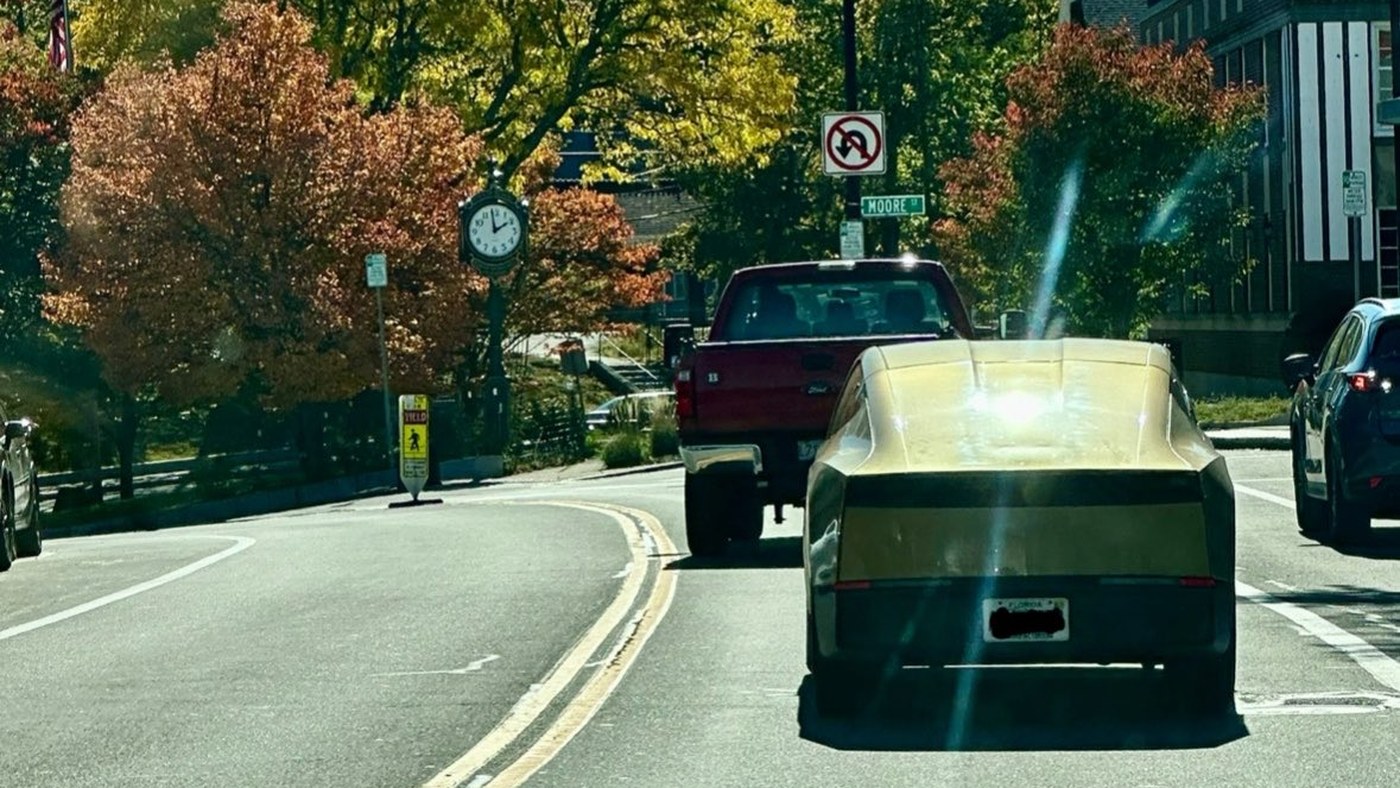
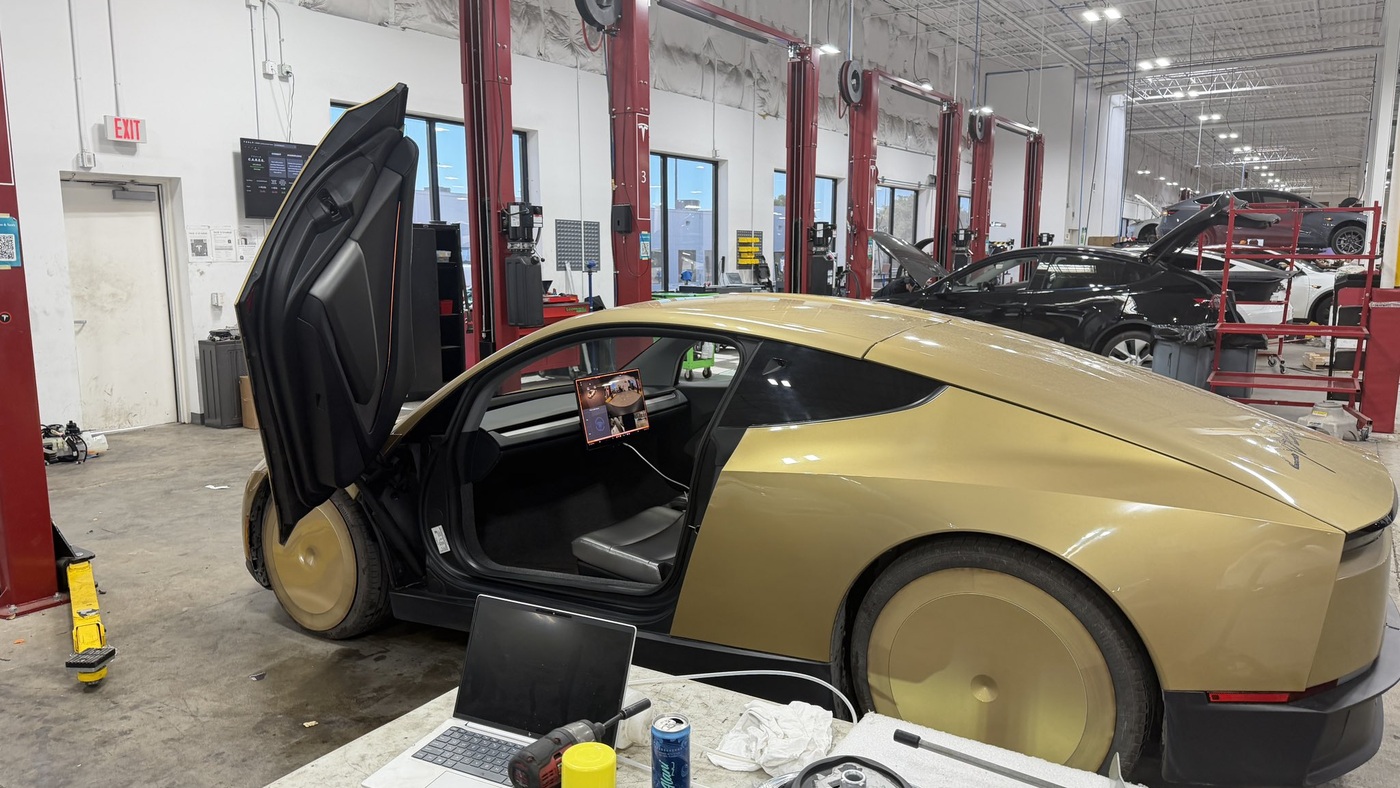
The Cybercab is the first Tesla that does not put power to the rear wheels. EPA certification documents filed in April show the two-seat robotaxi uses a single AC three-phase permanent-magnet motor mounted up front, rated at 163 kilowatts or 219 horsepower, driving the front wheels through a single-speed automatic transmission. Every other model in Tesla's lineup uses rear-wheel drive or all-wheel drive.
The choice is about packaging and cost, not performance. A robotaxi does not need launch acceleration or track handling. It needs to run cheap miles. Eliminating the rear motor, the rear subframe that holds it, the driveshaft that connects front and rear, and the cooling and wiring for a second drive unit took out weight, complexity and expense that a two-seat cab carrying passengers at city speeds does not require.
The EPA filing lists the Cybercab's curb weight at 3,113 pounds, making it the lightest battery-electric vehicle offered for sale in the United States. The gross vehicle weight rating is 3,730 pounds, leaving 617 pounds of payload capacity for two passengers and cargo. The battery is a single lithium-ion pack running at 326 volts with 146 amp-hours of capacity, or about 47.6 kilowatt-hours.
That battery and motor combination delivered an unadjusted EPA range of 418.2 miles in testing, which translates to roughly 293 miles under the standard 0.7 adjustment factor for window-sticker range. Tesla has said the Cybercab targets close to 300 miles of range. Efficiency comes in at 165 watt-hours per mile, the best figure for any production EV, and the drag coefficient sits under 0.20, Tesla has said.
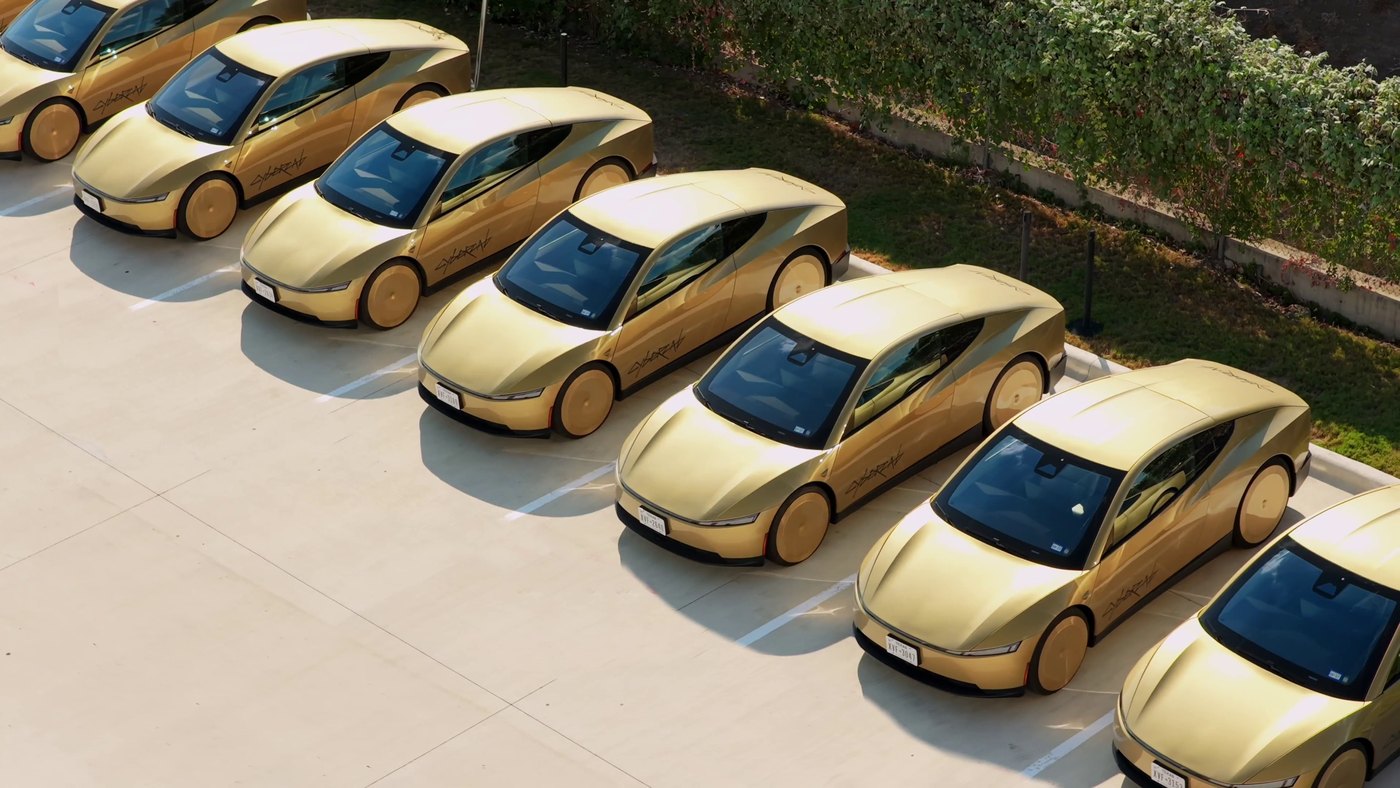
Regenerative braking is electrical, using the front motor, with no mention of traditional friction brakes in normal driving. The filing lists the drivetrain as front-wheel regenerative, the same configuration used in some early Nissan Leaf and Renault Zoe models, though those were built around front drive for different reasons. Tesla built the Cybercab around front drive to save cost and weight in a vehicle that never needs to appeal to a driver.
The no-rare-earths motor Elon Musk described at the unveiling is this front unit. He said it holds range while using zero rare earth metals, a combination he called extremely difficult. Reporting around the production launch put the motor 18 percent smaller and 25 percent lighter than recent Tesla drive units. That size and weight reduction shows up in the curb weight and in what Tesla does not have to cool, mount or pay for at the rear.
The front-drive layout also frees up packaging at the back. The Cybercab has no rear-seat footwell to accommodate a driveshaft tunnel, and no rear trunk floor lifted by a motor and inverter. The cargo hatch offers about 20 cubic feet of volume, according to unofficial spec sheets, with a flat load floor and a Starlink antenna mounted flush on the hatch itself.
The trade-off is traction. Front-drive cars push rather than pull through corners, and weight transfer under acceleration lifts load off the drive wheels. That matters in a sports car. It does not matter in a robotaxi optimized to carry two people at posted speeds while running the lowest cost per mile Tesla could engineer. The Cybercab does not corner like a Model 3. It was never supposed to.
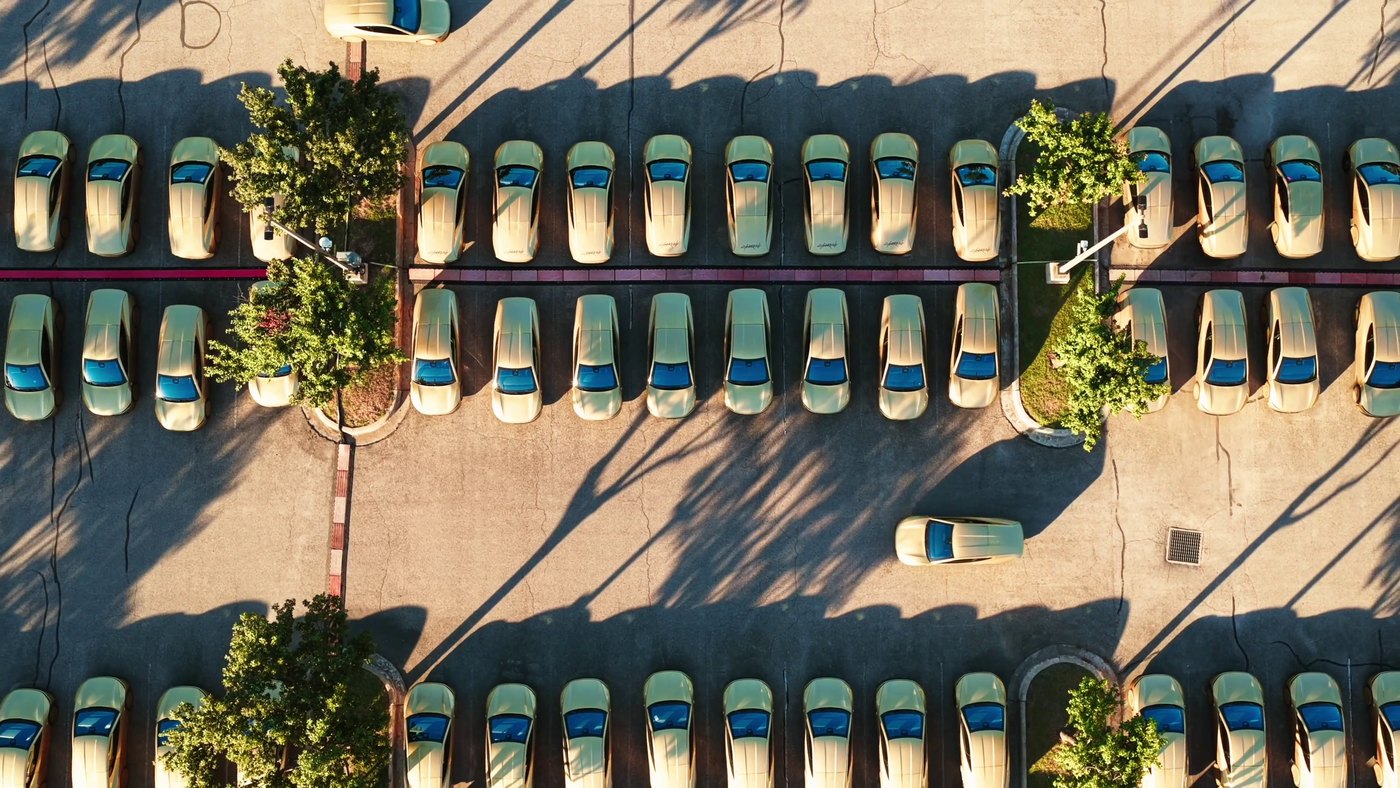
Tesla certified the vehicle for introduction into commerce on 29 May 2026, and production at Giga Texas is feeding the company's robotaxi fleet in Austin, with Dallas starting next month. The front motor, front drive, lightweight construction and no-rare-earths powertrain are not a compromise. They are the design, and the design is built around one number: the cost of the mile.
The Cybercab does not corner like a Model 3. It was never supposed to. It is built around one number: the cost of the mile.
About the Author
Riley Cho
Riley Cho reports on Robotaxi operations across cities, technical developments, and Austin fleet news.