PRODUCTION · Production
Trying for Year End: Tesla Says It Wants Cybercabs in Customer Hands by December
Lars Moravy told the Q3 earnings call Tesla is trying to deliver Cybercabs to customers by the end of 2026, though every unit built today goes to the company's own robotaxi fleet. Musk said most will stay Tesla-owned.
Jordan Hale, Production
Published · 4 min read
Tesla has put a timeline on when customers might own a Cybercab. Lars Moravy, the company's vice president of vehicle engineering, told the third-quarter earnings call on Wednesday that Tesla is trying to get Cybercabs to customers by the end of this year. He added a caveat. Every Cybercab Tesla produces today is going straight into the company's own robotaxi fleet.
Moravy said that as the fleet grows, Tesla will mainly deliver fully designed autonomous vehicles to customers, and the Cybercab will be first. He described the plan as starting small this year, with Tesla learning about delivery, ownership and fleet management of autonomous vehicles in customer hands, then scaling from there.
Elon Musk clarified what that means. The Cybercab is primarily going to be something that is offered as transport as a service, he said on the call. The vast majority of the Cybercab stuff will be essentially Tesla-owned and transport as a service. He said the Model 3 and Model Y, and the new Roadster, remain the cars people would want to own.
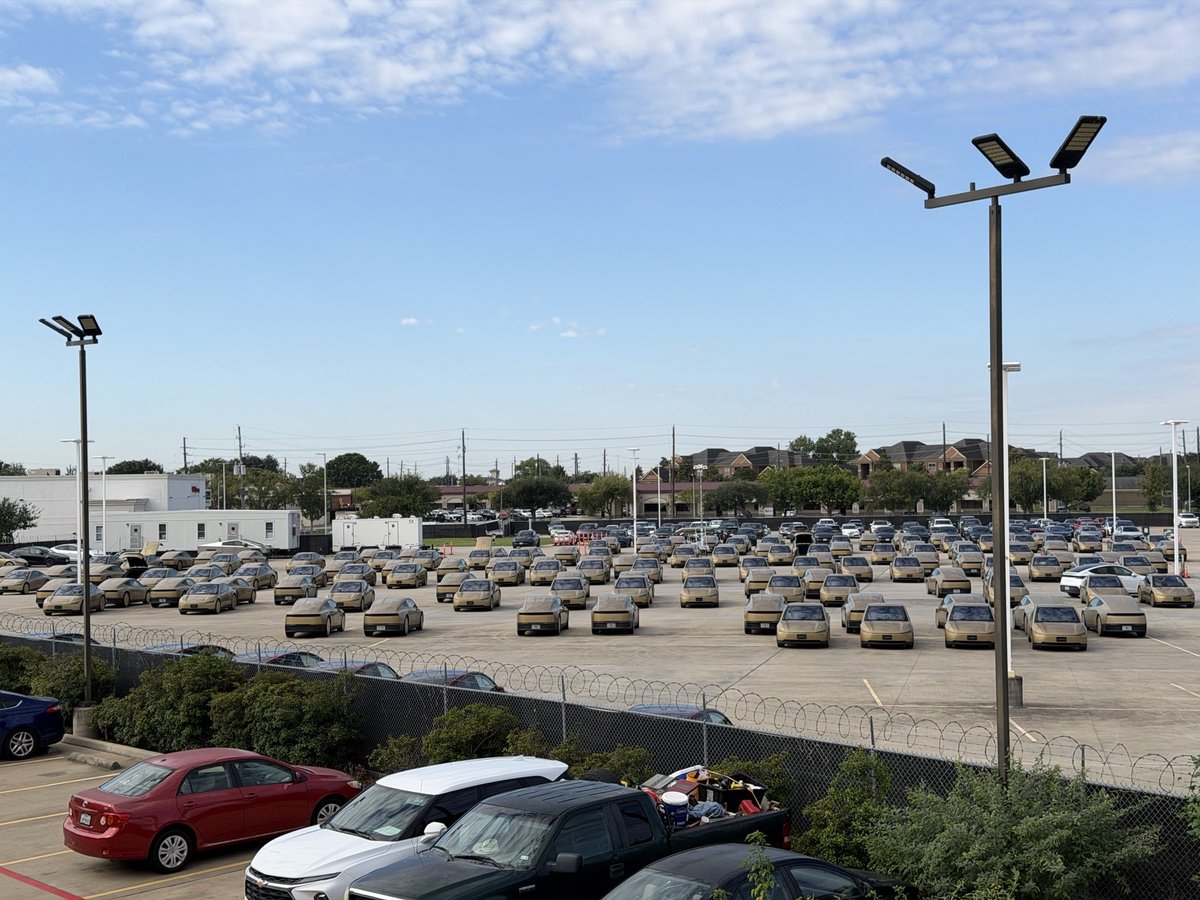
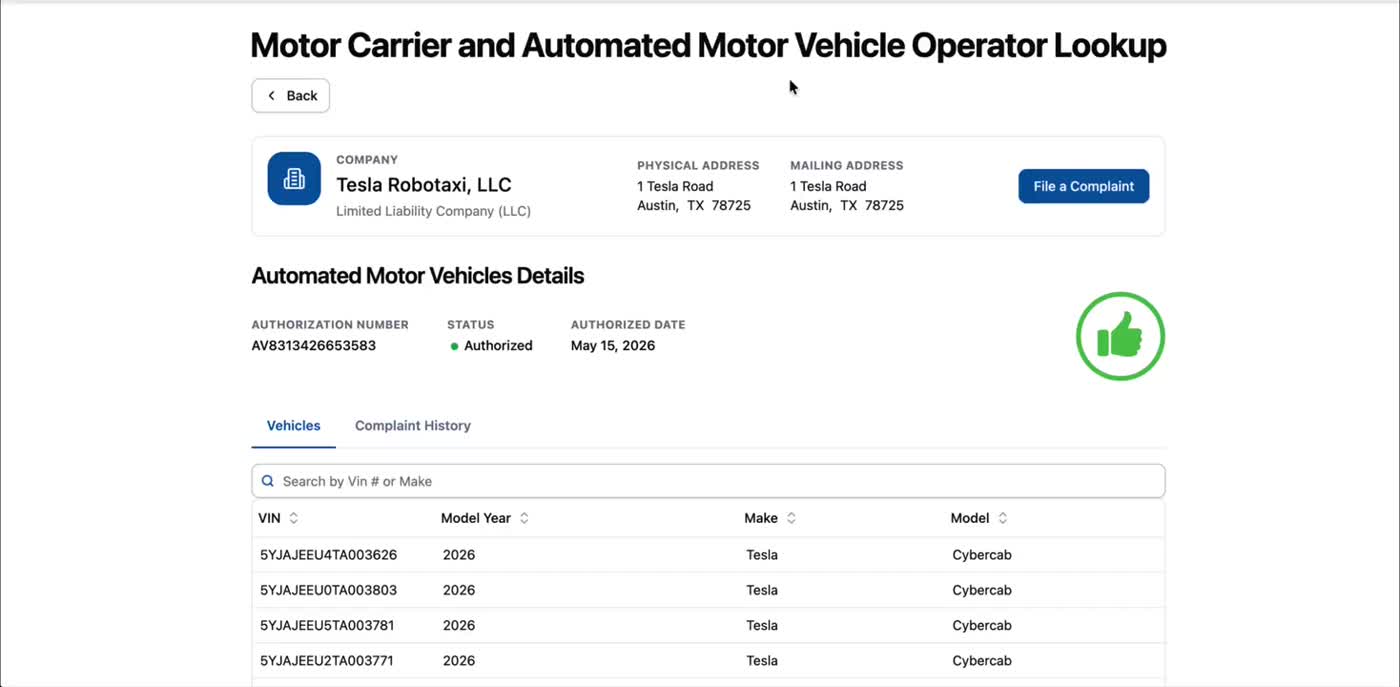
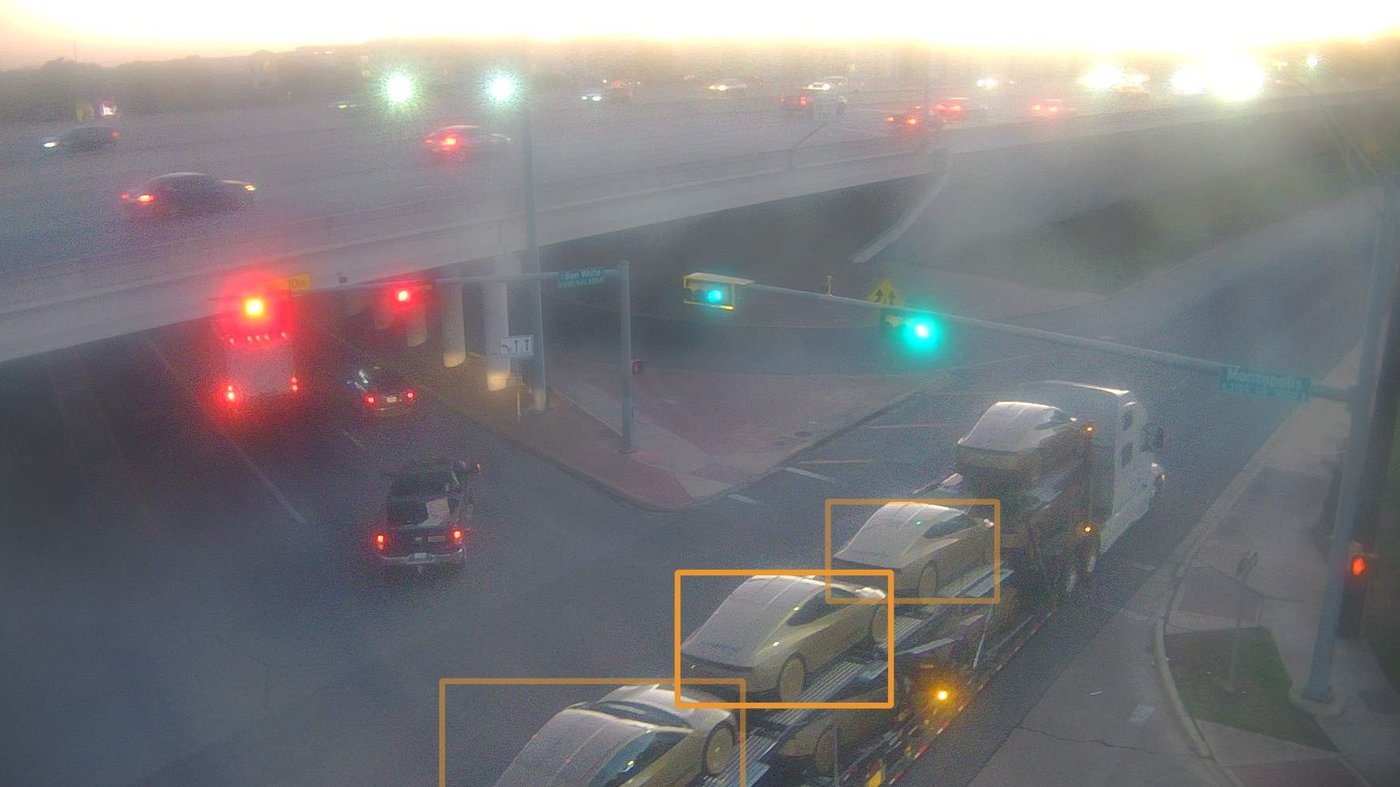
The timeline is ambitious. Tesla began shipping Cybercabs from Giga Texas to its Austin fleet in late August. The first paid, public, unsupervised rides opened to anyone with the Robotaxi app on 3 September. Texas vehicle registrations tracked publicly show 351 Cybercabs authorized for commercial use as of this week. Production is running, but all of it is feeding a service, not a showroom.
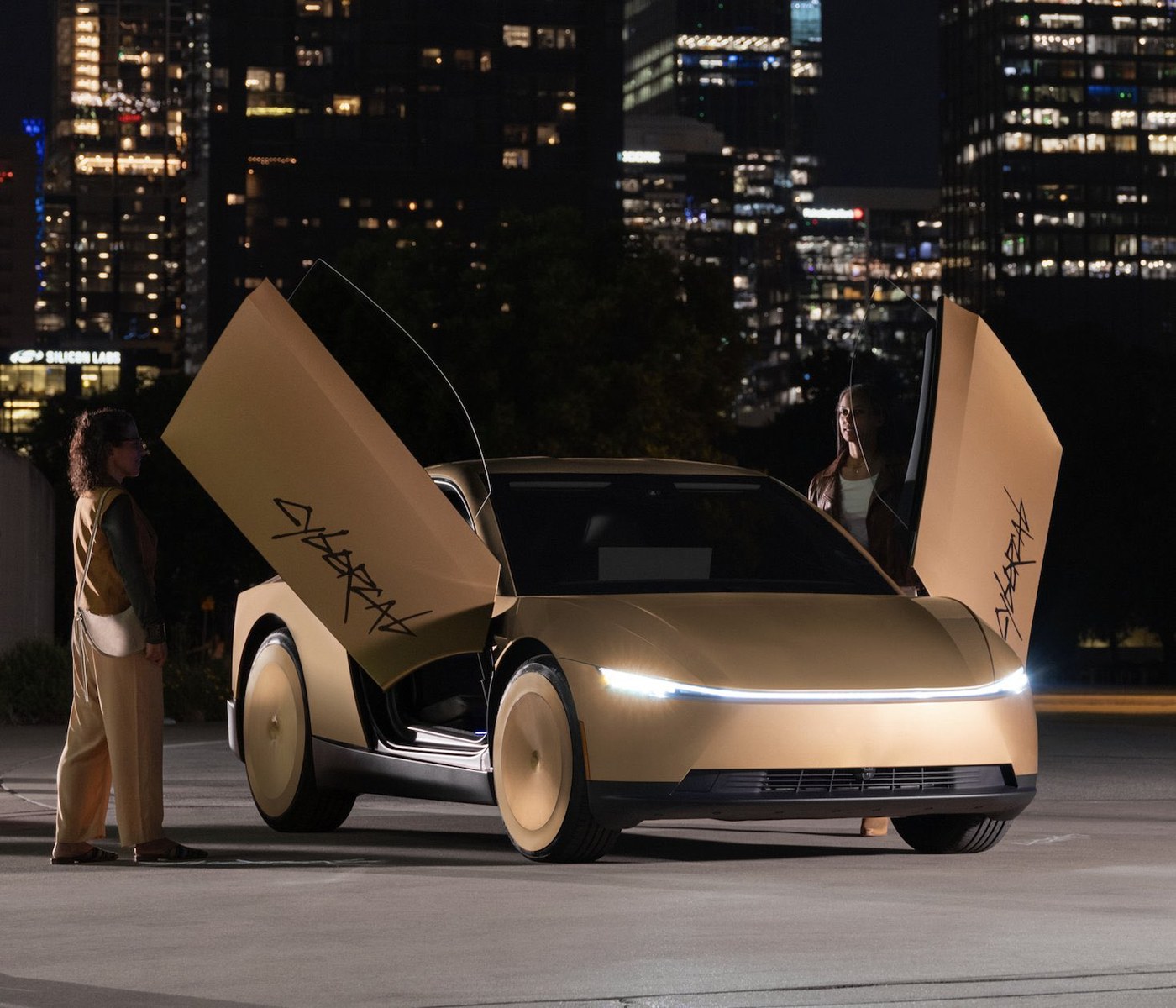
The company has built the Cybercab as a purpose-built robotaxi from the start. It has no steering wheel, no pedals, and no place for a driver. Two seats, butterfly doors, a 22-inch screen and a cargo hatch are what the cabin offers. The design assumes the car will spend its life dispatched by Tesla's fleet management system, not parked in a customer's garage.
What a customer purchase would look like is still unclear. Tesla has not published a retail price since the October 2024 unveiling, when it said the car would start under $30,000. It has not said how insurance, registration, servicing or software updates would work for a privately owned robotaxi. Those details matter less when the fleet is the customer, and the fleet is Tesla.
The call also carried a separate timeline for customer cars joining the fleet. Ashok Elluswamy, who leads Tesla's AI software, said unsupervised Full Self-Driving could begin reaching customer-owned cars in select parts of the United States around the second quarter of 2027. He said those owners could then add their cars to the robotaxi network. He noted that the Cybercab and the Model Y run the same driving software.
That plan creates a different path to robotaxi ownership. Instead of buying a Cybercab, owners of a Model 3 or Model Y could add their existing car to the network once unsupervised FSD reaches them. Tesla would handle dispatch and take a cut of the fare. The owner keeps the car. The Cybercab remains Tesla's, running at a cost per mile the owner's car cannot match.
Tesla has said before that it expects some customers will want a Cybercab of their own. A federal EPA filing certified the vehicle for introduction into commerce on 29 May 2026, the first formal step toward offering it for sale. The National Highway Traffic Safety Administration opened an audit of Tesla's self-certification on 3 September, the day rides began, and Tesla's response to the agency's questions is due 30 October.
The distinction Musk drew on Wednesday is one of scale. A few customers may get a Cybercab by year end, but the business model is built around Tesla keeping and dispatching the overwhelming majority. That makes the vehicle closer to a factory-to-fleet product than a consumer car. The fleet is the customer, and the fleet is Tesla.
Moravy's language was tentative. Tesla is trying to get Cybercabs to customers by the end of this year. That is not a commitment. It is a goal with two months and some production risk still ahead. The last time Tesla tried to hit a year-end vehicle target, the Model 3 ramp stretched well into the following year.
What is clear is that the Cybercab is no longer a concept. It is rolling off a line in Texas, carrying paying riders in Austin, and headed to Dallas next month. Whether a private buyer takes delivery before 31 December is the only part still marked trying.
The Cybercab is primarily going to be something that is offered as transport as a service, Musk said on the call. The vast majority will be essentially Tesla-owned.
About the Author
Jordan Hale
Jordan Hale reports on production, factory operations, and vehicle manufacturing for Cybercab News.