POLICY · Safety
Zero and Counting: Tesla Publishes Robotaxi Safety Report, Names Four New Cities
Tesla launched a public safety site showing 3.4 million autonomous miles with zero injuries caused by its robotaxis, and named Las Vegas, Jacksonville, Phoenix and San Antonio as coming soon. The page breaks out data by city and week, and lets anyone download every crash report the fleet filed with NHTSA.
Priya Nair, Policy desk
Published · 5 min read
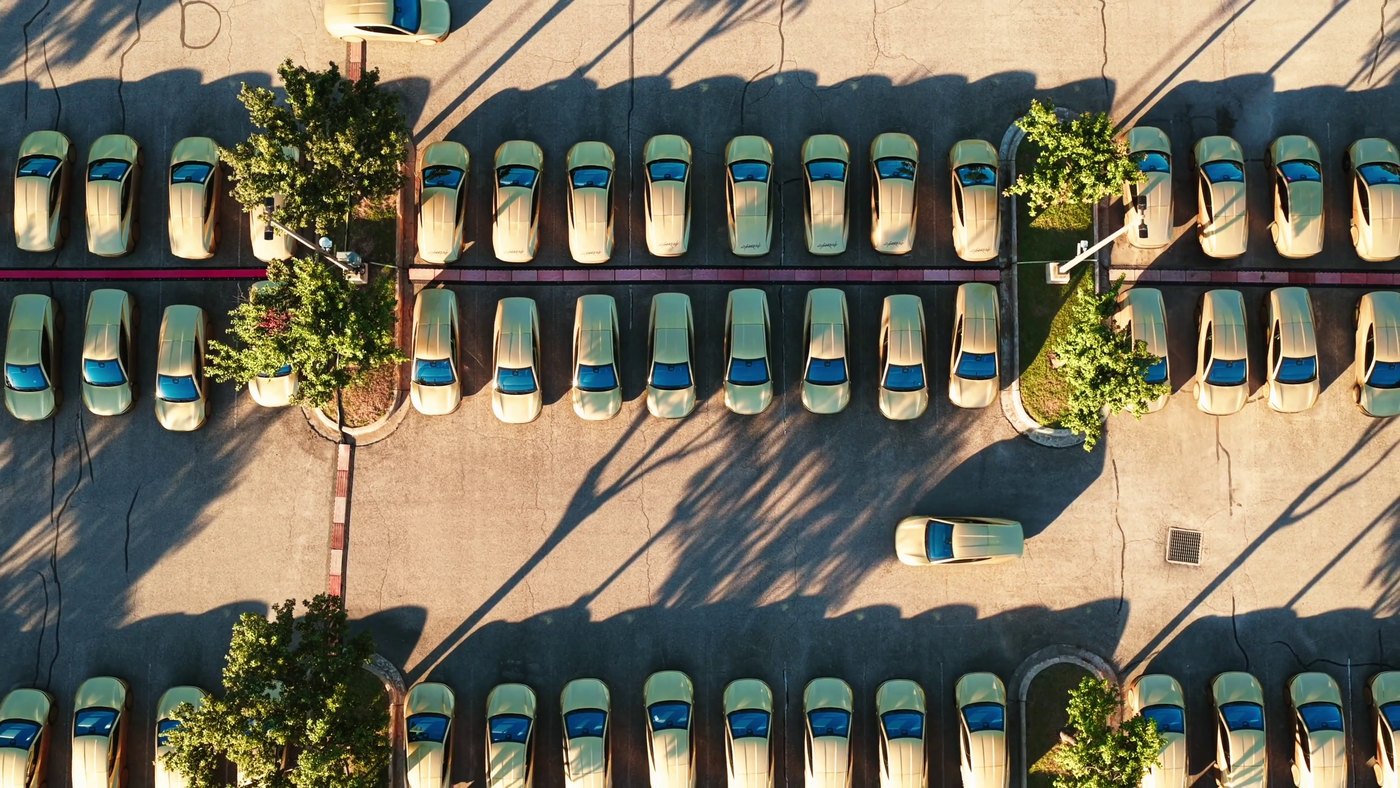
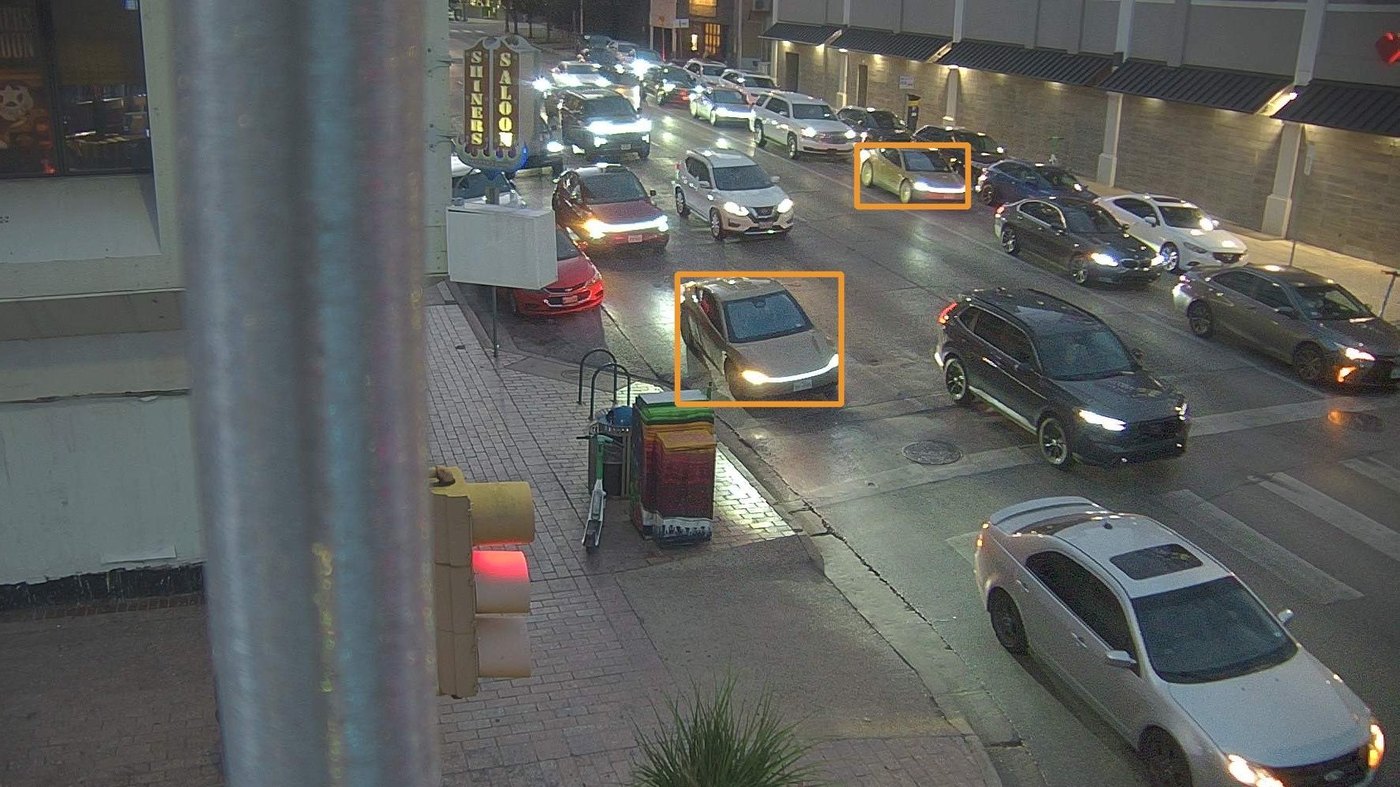
Tesla published its first public robotaxi safety report Wednesday, showing the fleet drove 3.1 million miles with no safety monitor on board through 18 October and caused zero injuries, deployed zero airbags and hit zero pedestrians or cyclists. A live counter on the page now reads more than 3.4 million miles. The same page names four new markets: Las Vegas, Jacksonville, Phoenix and San Antonio.
The report, posted at Tesla.com/robotaxi/safety under the title Vehicle Safety Report, is the most detailed disclosure the company has made about how far its driverless fleet has traveled and what happened along the way. It breaks miles down by city and by week, lists driving conditions including 862,000 miles after dark and 113,000 in rain, and compares the fleet's record with Texas police data showing human drivers would have caused about 9.1 injury collisions over the same distance.
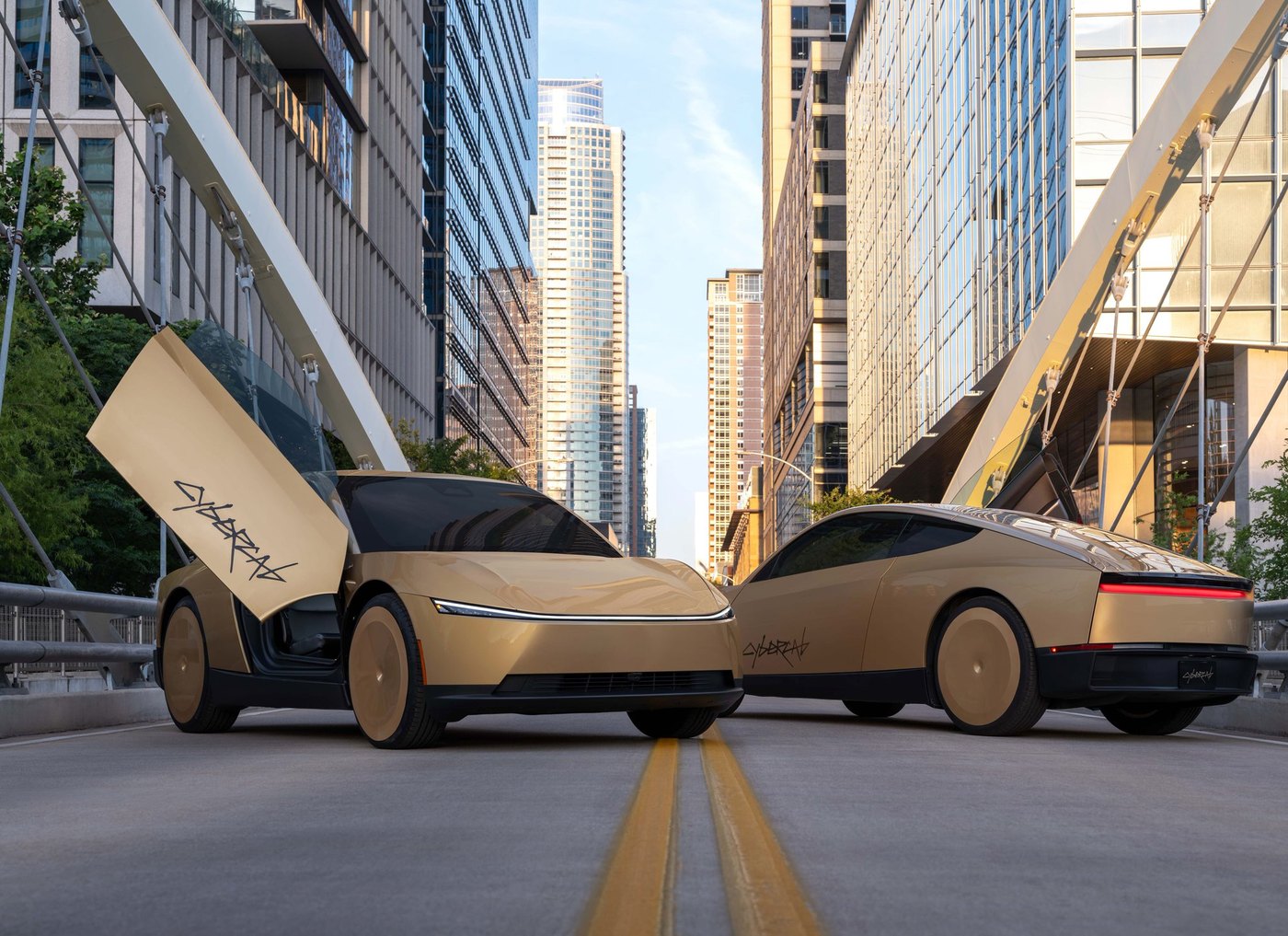
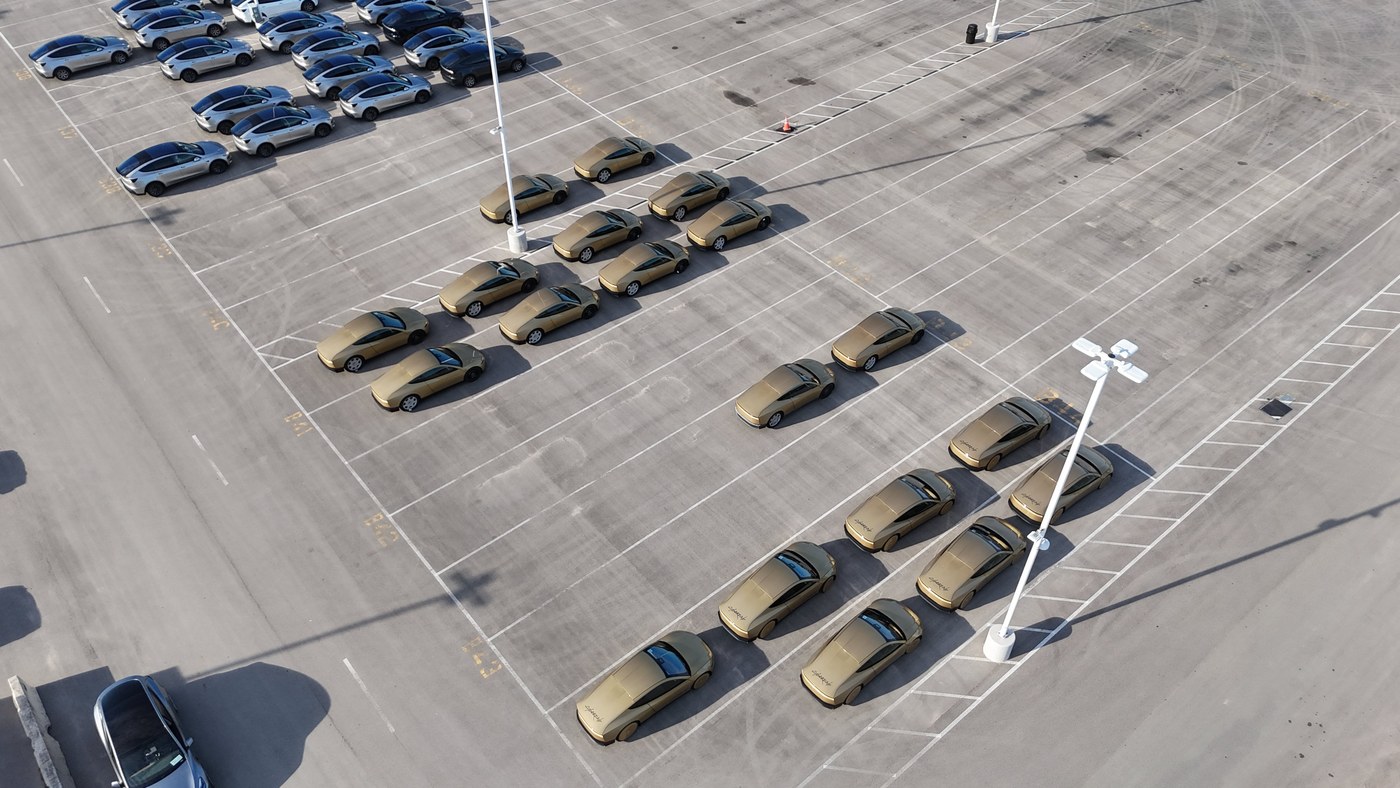
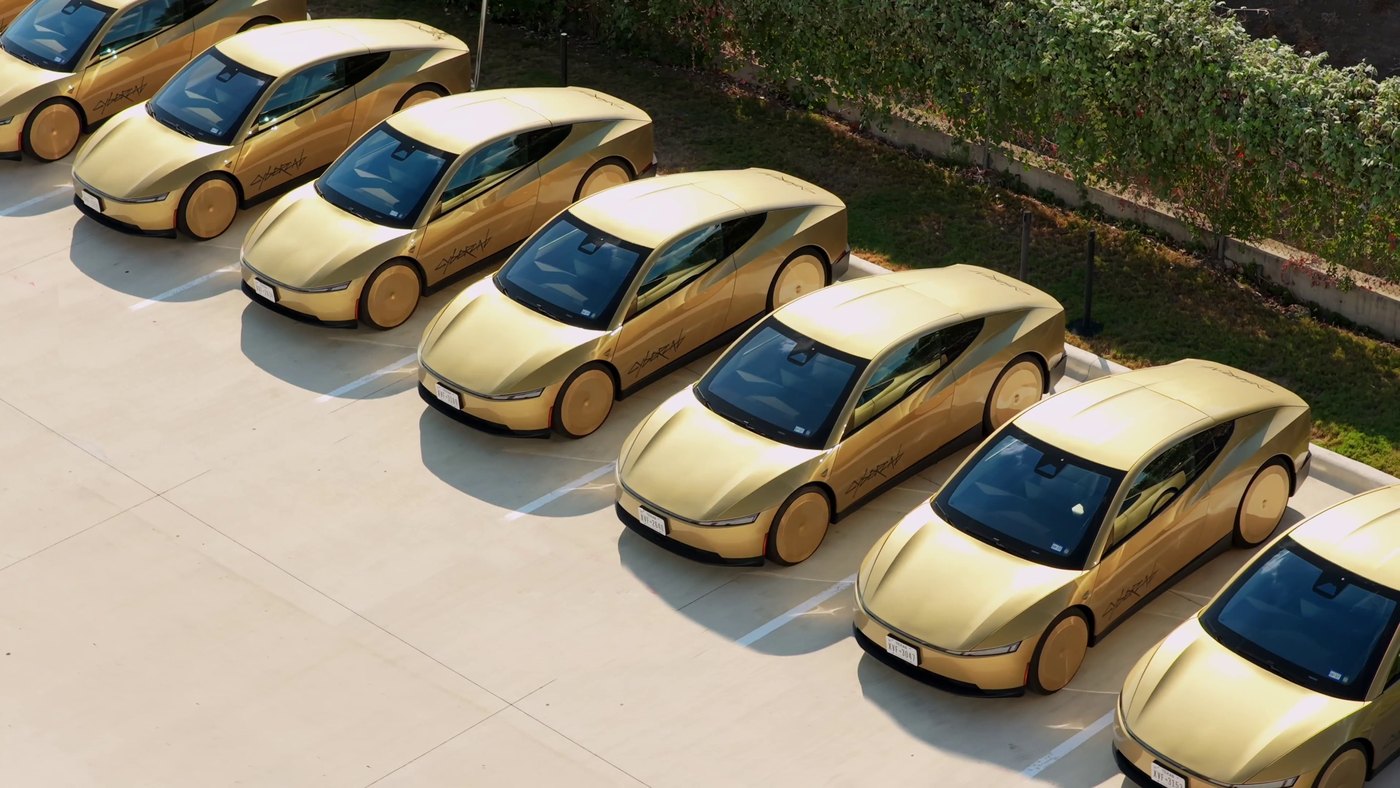
Austin accounts for 2.12 million of the 3.11 million miles, or 68 percent, followed by Dallas with 608,130, Houston with 225,964, Orlando with 61,053, Tampa with 53,117 and Miami with 46,262. The data covers 22 January through 18 October 2026 and includes both Model Y robotaxis and Cybercabs, which joined the Austin fleet on 3 September.
The zero-injury figure counts collisions in which the robotaxi made first contact. Tesla's footnotes say one crash involved an SUV that was hit by another vehicle and redirected into a robotaxi waiting at a stop sign, and one rider claimed injury after driving over a pothole, but investigation found no injury in either case. Neither was counted in the injury total.
The report includes every collision Tesla filed with NHTSA under its Standing General Order while the robotaxi was driving autonomously with no safety monitor in the vehicle, including when a remote operator was assisting or had taken control. It excludes collisions and miles with a safety monitor present, most of them before 22 January, in an effort to focus on autonomous driving alone, Tesla said.
A download link on the page offers a spreadsheet of every crash report Tesla filed in the period. NHTSA publishes the same reports about a month after they are filed, but Tesla has not previously offered a public list or explained its own safety data in this much detail. The move comes with the agency reviewing how Tesla certified the Cybercab for public roads without a steering wheel or brake pedal, and with Tesla's sworn response to that audit due 30 October.
The human benchmark comes from Texas police reports for Austin, Dallas and Houston, which together account for 2.95 million of the fleet's 3.11 million total miles, or 95 percent. Tesla applied collision rates per passenger-vehicle mile on surface streets in those cities and adjusted for the roughly 32 percent of injury crashes that police reports miss, citing federal crash data. The comparison counts every collision in which a human driver was involved, whether or not that driver made first contact, because police reports do not record which vehicle hit first.
The page says each robotaxi's neural network processes over one million pixels of anonymized visual data every millisecond from cameras giving a 360-degree view. It describes the fleet navigating city streets, highways, complicated intersections and parking lots, and says autonomy makes roads safer for everyone. The live counter, Tesla notes, estimates miles driven at the fleet's current pace rather than a final count.
The four new markets listed as coming soon are Las Vegas, Nevada; Jacksonville, Florida; Phoenix, Arizona; and San Antonio, Texas. Tesla did not give launch dates for any of them. The company said on its third-quarter earnings call this week that Dallas will begin Cybercab rides in November, the first city outside Austin to get the two-seat vehicle without manual controls.
Nevada approved Tesla Robotaxi LLC on 20 August to deploy up to 5,000 fully autonomous vehicles in Clark County, which includes the Las Vegas metro area, over the first 12 months. Phoenix is a direct test against Waymo, which already operates a robotaxi service there. Jacksonville would extend Tesla's Florida footprint north from Miami, Orlando and Tampa. San Antonio would be the company's fourth Texas city, after Austin, Dallas and Houston.
Tesla already operates Model Y robotaxis in the six cities it lists as available: Austin, Dallas, Houston, Miami, Orlando and Tampa. The company has not said whether the four new cities will launch with safety monitors or fully unsupervised, or whether Cybercabs will be part of the initial service in any of them. Austin is currently the only city running Cybercabs.
The safety page is live now at Tesla.com/robotaxi/safety. The methodology section cites its sources, defines what it counts and what it does not, and explains how it calculated the human comparison. For a fleet that has faced regulatory scrutiny and public questions about whether driverless cars are ready, publishing the full dataset and the methods behind it is a transparency move the industry has not seen Tesla make before.
The report is the most detailed disclosure Tesla has made about how far its driverless fleet has traveled and what happened along the way. It breaks miles down by city and week, and lets anyone download every crash report.
About the Author
Priya Nair
Priya Nair reports on autonomous vehicle policy and regulatory developments.