Policy · Policy
Montana Wrote the Rules First: SB 67 Clears a Path for Level 4 Rides
Montana's 2025 Automated Driving Systems Act lets Levels 4 and 5 operate once transportation rules are written. CubCloud's six-car Cybercab bid is still pending. Missoula is not taking fares.
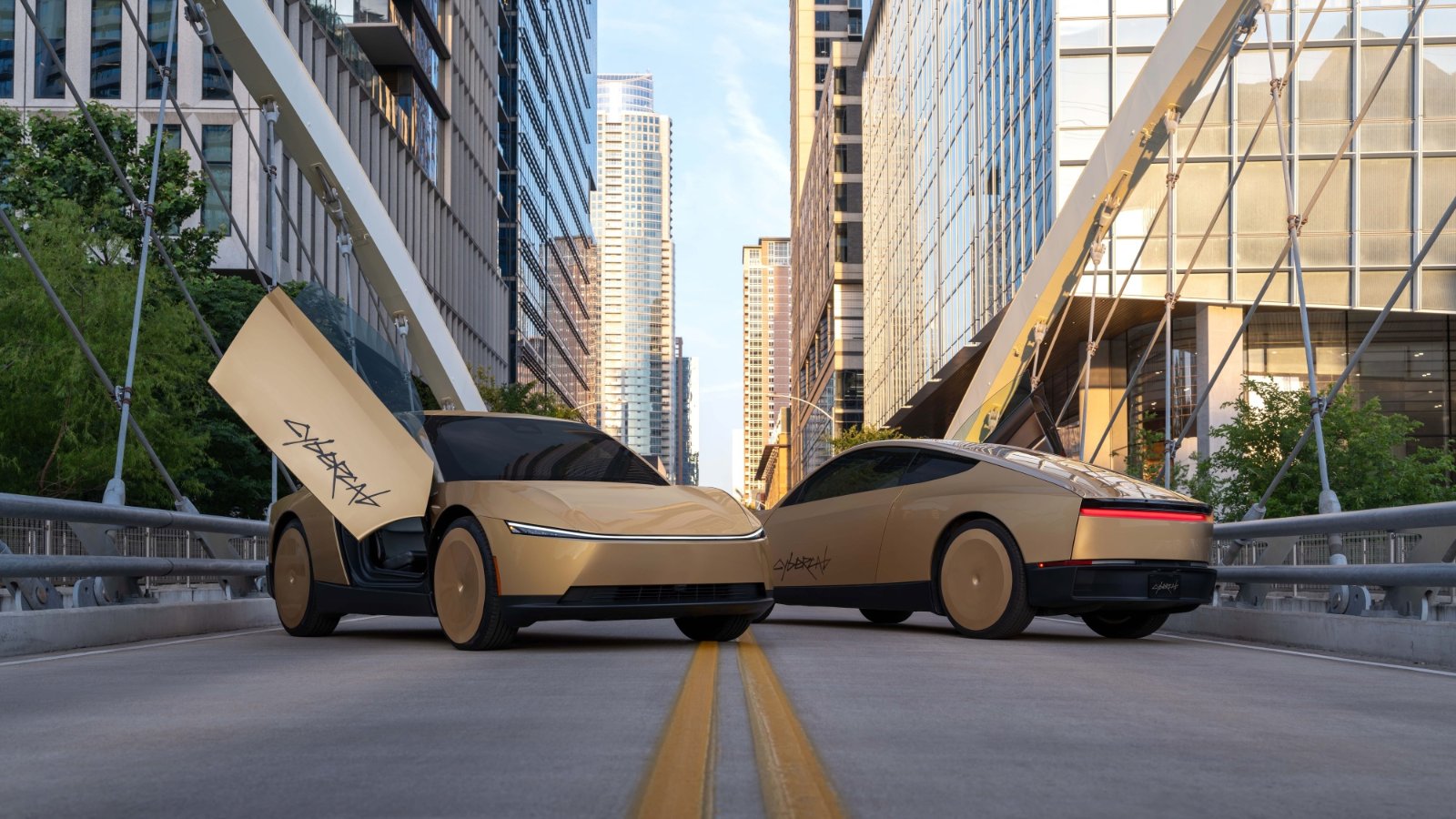
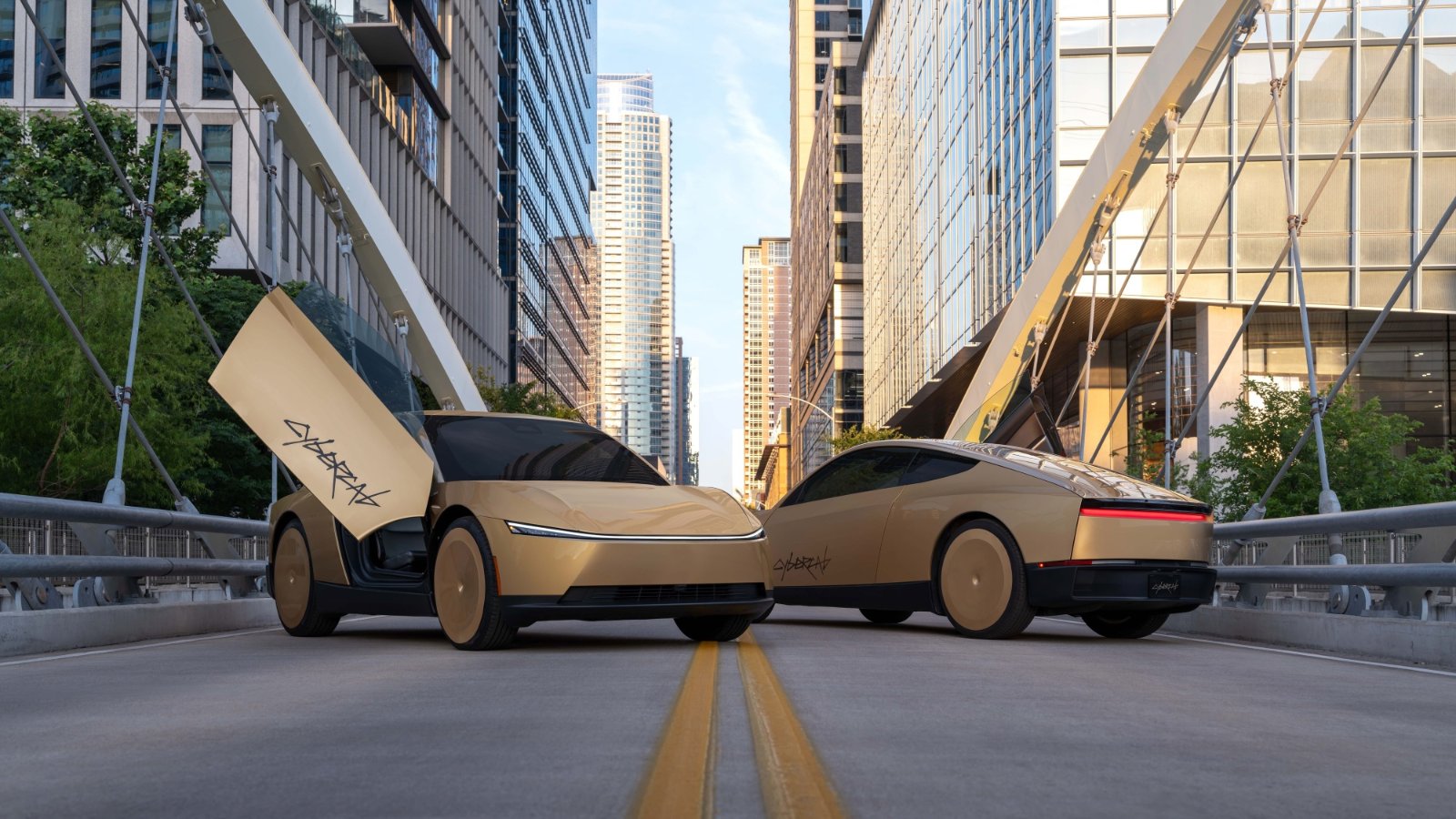
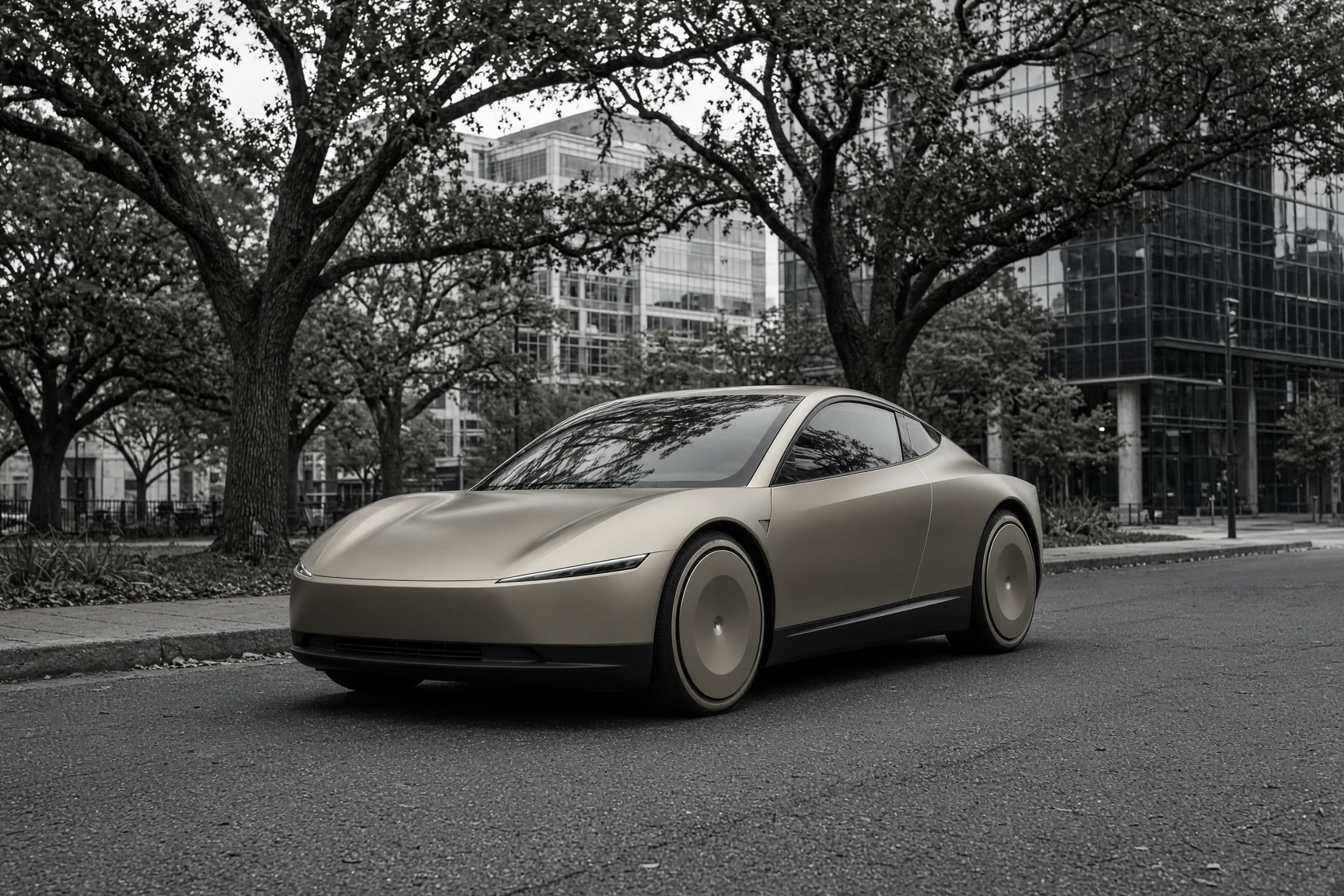
HELENA, Mont. - Before CubCloud AI asked Tesla for six Cybercabs in Missoula, Montana had already put autonomous driving into state law.
Senate Bill 67, enacted in May 2025 as the Montana Automated Driving Systems Act, is the policy frame sitting under this week's fleet news. The statute, now in Montana Code Annotated 61-6-409, allows vehicles with automated driving systems Levels 1, 2, and 3 on public highways statewide. Levels 4 and 5 - the unsupervised tiers Cybercab is built for - may also operate, but only subject to limitations the Department of Transportation sets by rule under companion sections of the Act.
That split matters. Montana did not ban high automation. It invited it, then parked the hardest cases with department rulemaking and related Justice Department authorities, including weather and operating limits the agencies can write. Local governments can still manage traffic on their streets, the Act says, as long as those rules do not discriminate against automated-driving vehicles.
CubCloud's Missoula bid, reported this week by KPAX, Montana Right Now, and the company's own MATR-carried release, leans on that legislative posture. Founder Joshua Rhines has said Montana passed a law wanting to showcase the technology and that a Montana operator should prove it on Montana roads and winters. The company's application under Tesla's fleet-operator interest path is still pending. No public Tesla acceptance, no delivery date, and no claim that unsupervised Cybercab fares are live in Missoula.
Policy readers should keep those lanes separate. Austin is where Cybercab hail is already in the Robotaxi app when a car is available. Missoula is where a state-chartered AV framework and a private fleet application are trying to meet. SB 67 is not a Tesla permit and not a federal waiver. It is Montana saying Levels 4 and 5 can use public highways once department rules catch up - a clearer state lead role than many jurisdictions still debating whether unsupervised service is even allowed.
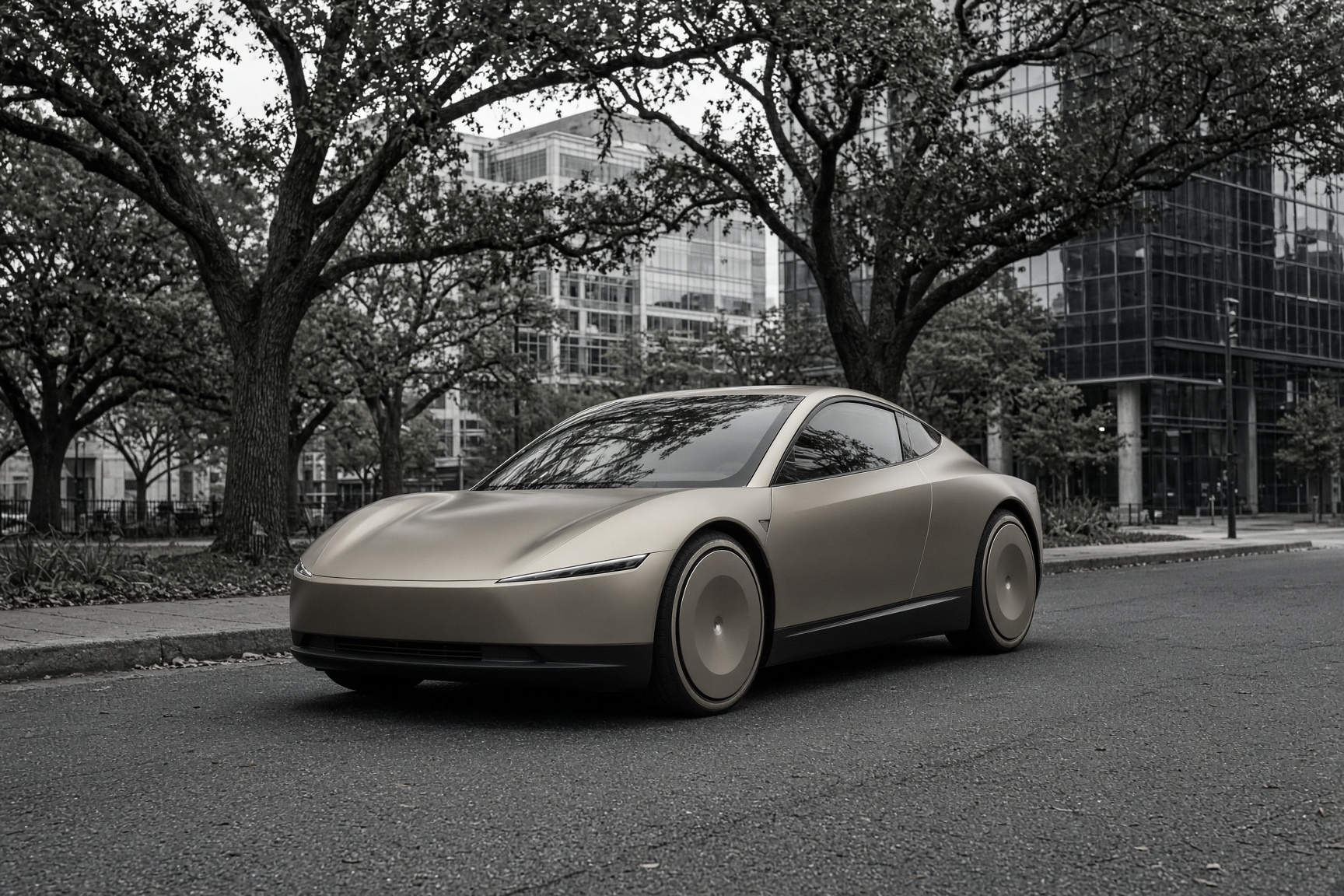
Federal oversight does not disappear. CubCloud's release itself ties deployment to state and federal approvals as well as Tesla's commercial review. NHTSA certification and audit work around Cybercab remains a Washington story this desk has already filed. What SB 67 changes is the state-side answer CubCloud can point to when it argues Montana wants the showcase and will write the Level 4 and 5 limits in agency rules rather than leave a blank prohibition.
The Act's language also helps explain why a six-car Missoula ask landed as national Cybercab news instead of a local curiosity. A state that has already defined SAE-style levels in statute gives fleet applicants a citation they can put in an application packet. Investors and city partners reading the CubCloud story can see a legal floor, not only a press release. That does not move metal out of Giga Texas on its own. It does change how serious the Missoula file looks next to cities still waiting for a first AV bill to clear committee.
For other cities watching fleet forms, the Montana file is a template of sorts: pass a statute that defines SAE-style levels, green-light supervised stacks immediately, and route full unsupervised operation through transportation rulemaking instead of a permanent ban. Whether that path yields winter-ready Cybercab service in Missoula still depends on Tesla saying yes and on regulators finishing the rule book. The law, though, is already on the books.
Readers who track Cybercab only through Austin curb clips should treat Helena as the other half of the same week. One market is proving unsupervised hail when a car is free. Another is proving that a state legislature can write the Level 4 door open before a single purpose-built cab arrives. Both stories keep Tesla and Cybercab in the present tense. Neither invents a Missoula fare that does not exist yet.
Priya Nair is a policy reporter covering AV regulation, state clearances, and FSD governance. Trained as a legal affairs reporter; files from the policy beat with an eye on what operators can actually ship.