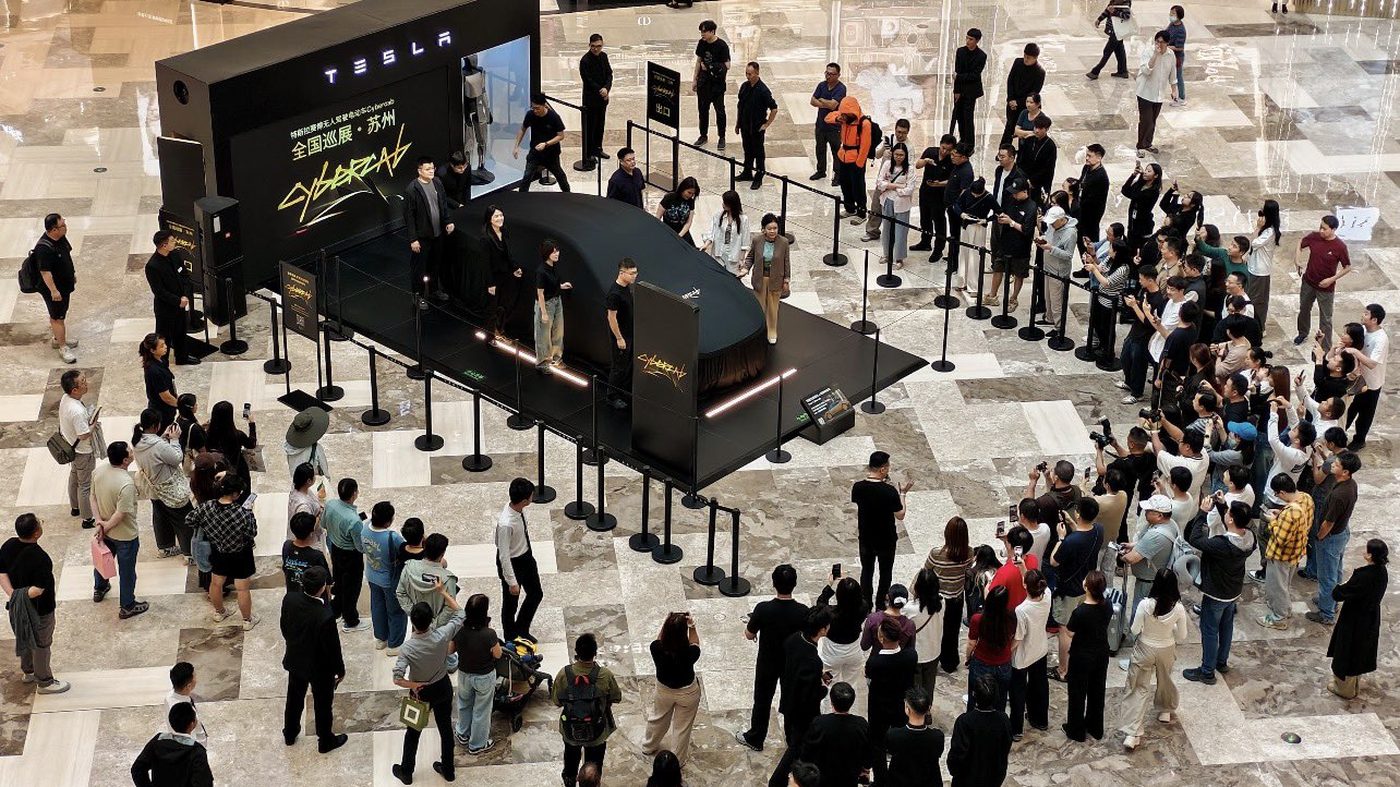
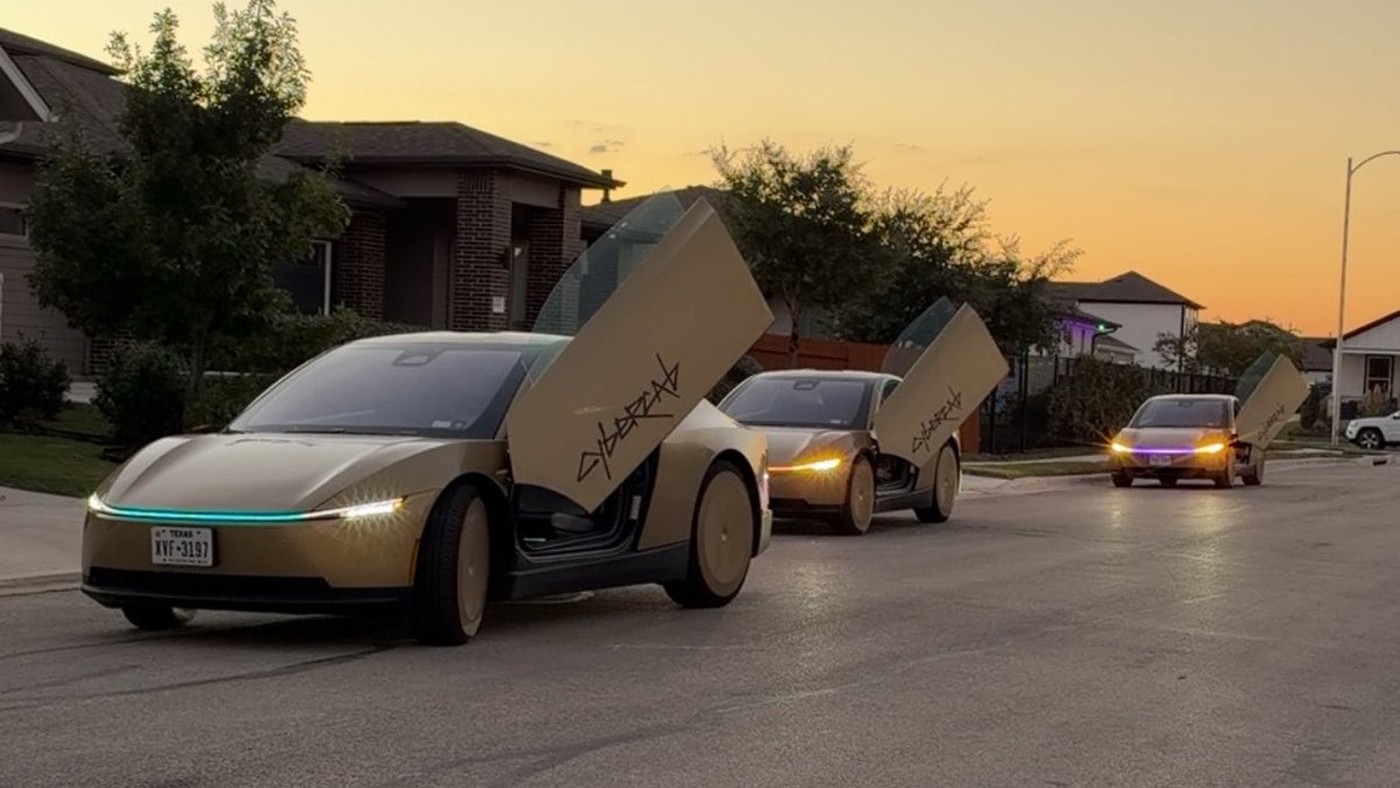
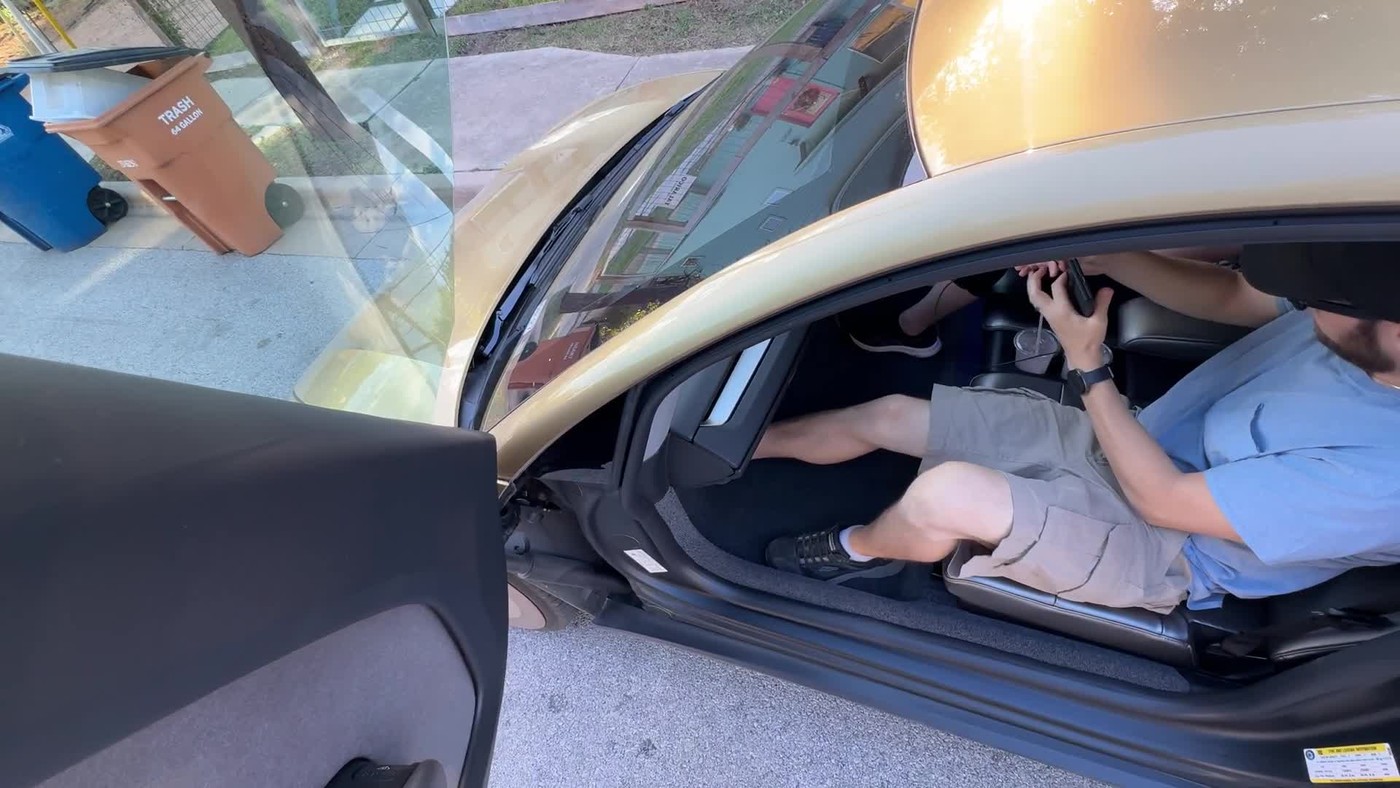
OPINION · Opinion
The Cabin Is the Product: Cybercab Just Got More Than a Ride
Short waits filled last weekend's story. Monday's tip wire is about what happens once you are inside: a Grok bot that works, a trunk that remembers your bags, and a car designed around the passenger.
Harper Quinn, Opinion, Live desk
Published · 2 min read
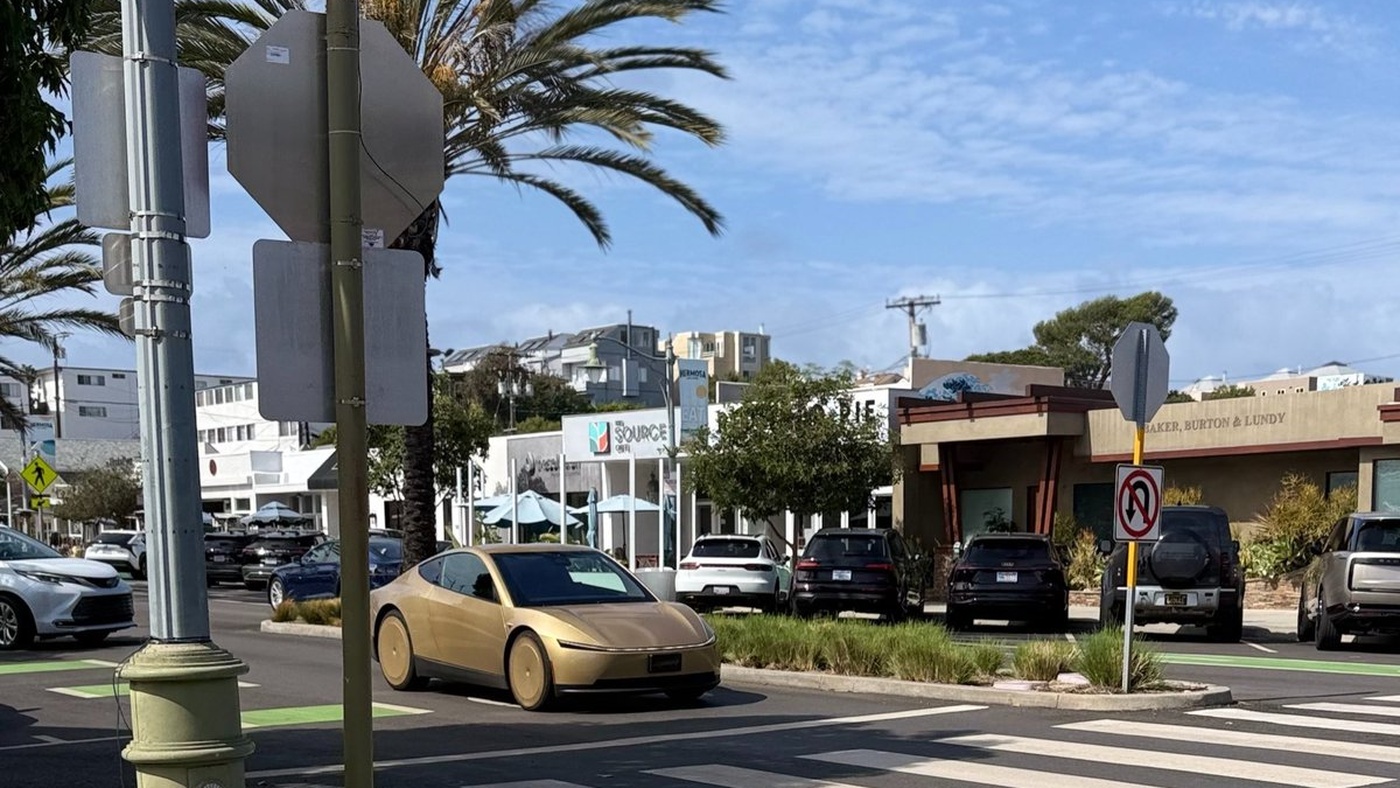
Last weekend's story was the curb clock. Monday's story is the cabin.
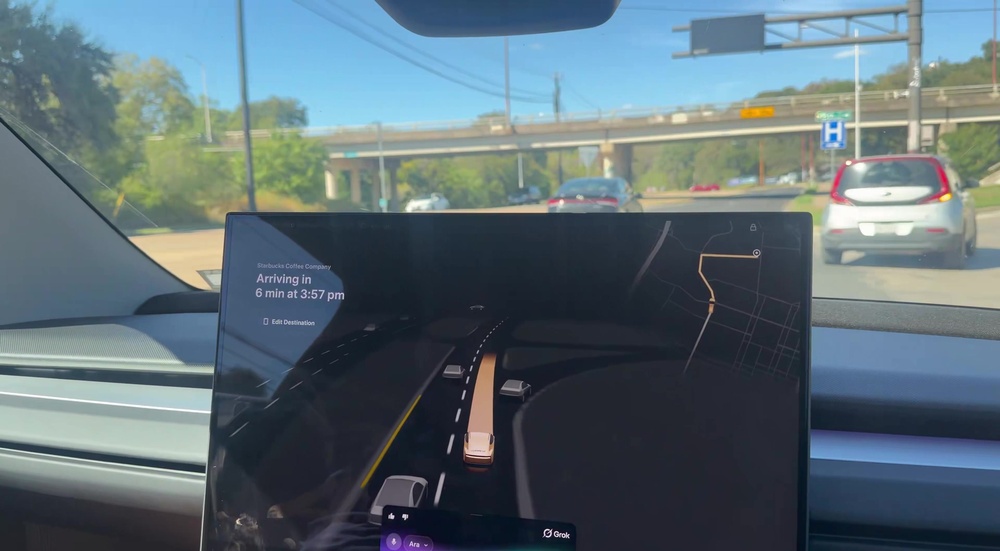
Tesla's Robotaxi account said riders can talk directly to their Grok bot in a Robotaxi. Sawyer Merritt signed in once, kept his bots for later rides, and logged out on exit for privacy while his cabin assistant added laundry detergent to an Amazon cart. BLKMDL3's bot ordered his usual drink on a daytime Cybercab run. That is not a concept reel. It is software doing errands from a car with no steering wheel.
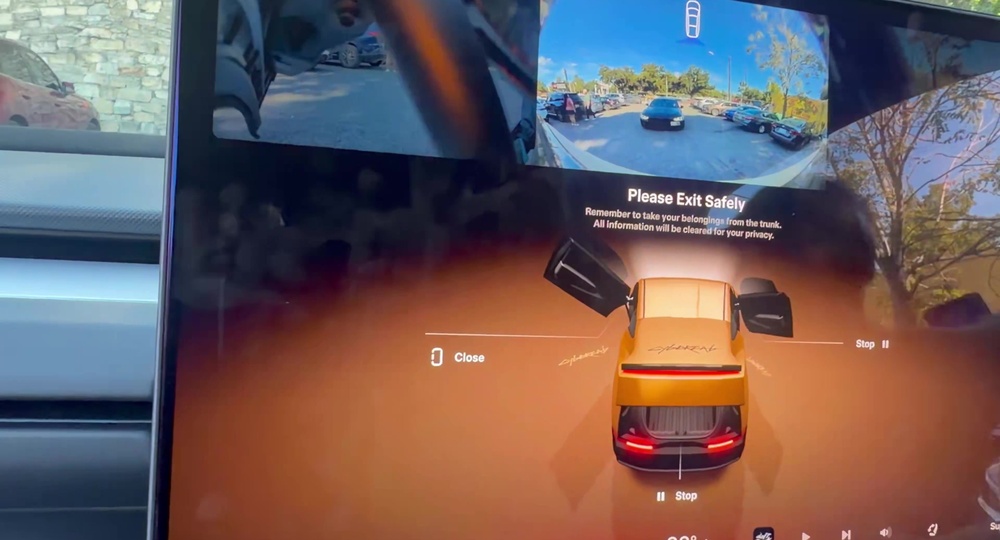
The same tip wire showed another cabin habit that only a purpose-built robotaxi needs. BLKMDL3's trunk clip: if you put bags in earlier, Cybercab reopens the hatch when you step out, and the exit screen tells you to take your belongings before the session clears. A car built around a driver does not think that hard about your luggage. A car built around a passenger does.
Teslaconomics put the wider thesis in plain language. Next-generation Tesla cars will be shaped by what you can do inside them, not only by what the chassis can do on the road. Cybercab already shows that bet: no wheel, no pedals, a big screen, reclining seats, a Grok bot team, and climate and media that follow the rider. The commute stops being dead time and starts being time you own.
Weekend waits proved the fleet can absorb a city full of fans. That mattered. It is not the whole product. The product is also the quiet minute after the doors lift, when the bot takes an order, the trunk remembers the bags, and the cabin feels like a room that happens to move.
If Dallas is next, this is the standard it inherits: short waits at the curb, and a cabin worth sitting in once you are inside.