Latest · Breaking
Robotaxi Profits May Hinge on Cars Tesla Does Not Own
Herbert Ong shares TeslaLarry's peak-demand argument: idle owner FSD cars could fill rush-hour supply without Tesla buying a permanent peak fleet.
AUSTIN, Texas - Peak hours are where Robotaxi math gets hard. A fleet sized for a quiet afternoon can look thin when rush hour, a stadium let-out, airport banks, or a holiday all hit at once. That spike is the costly part of the network problem - and one argument now circulating among Tesla watchers is that the fix may not require Tesla to own every extra car.
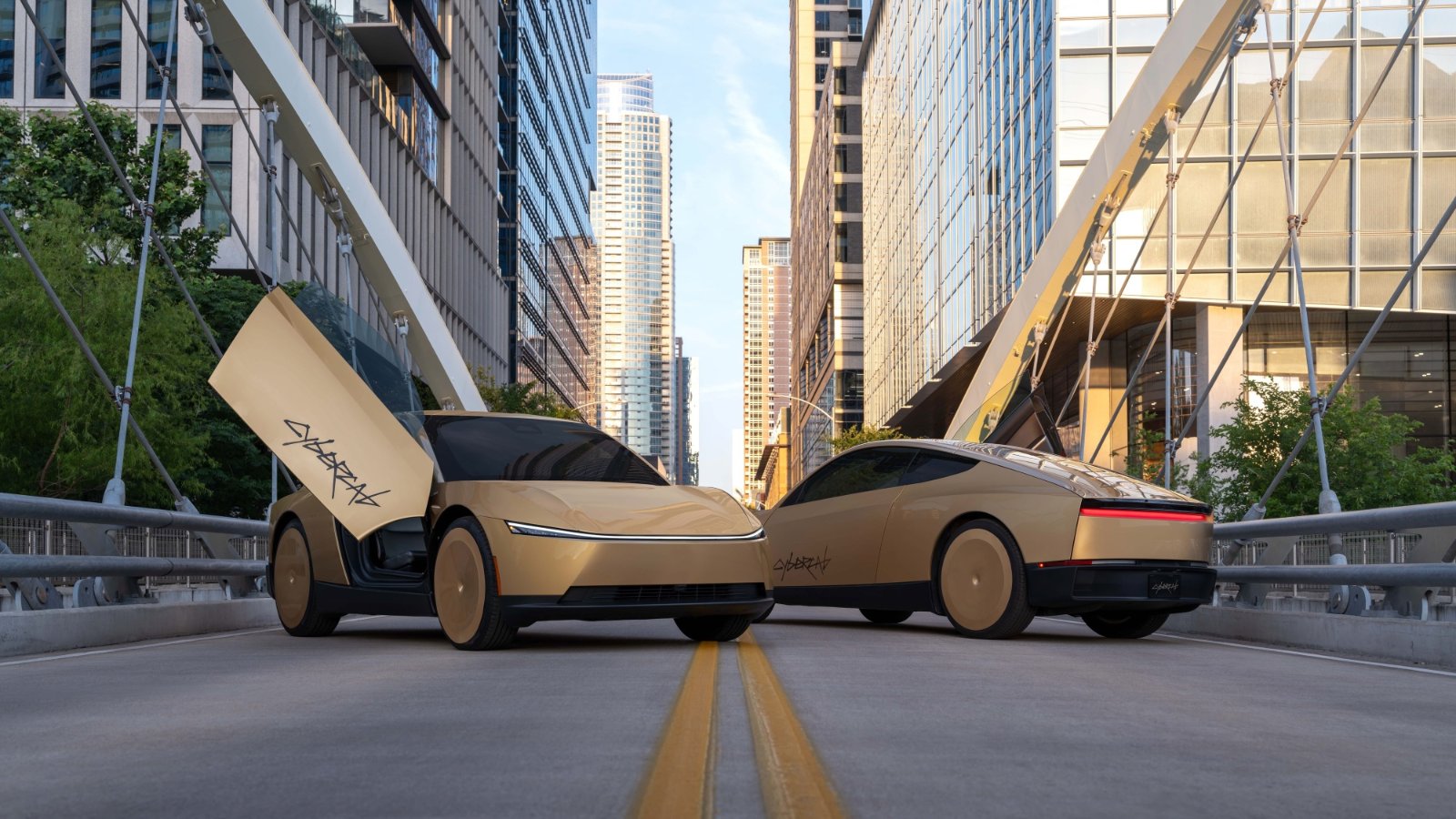
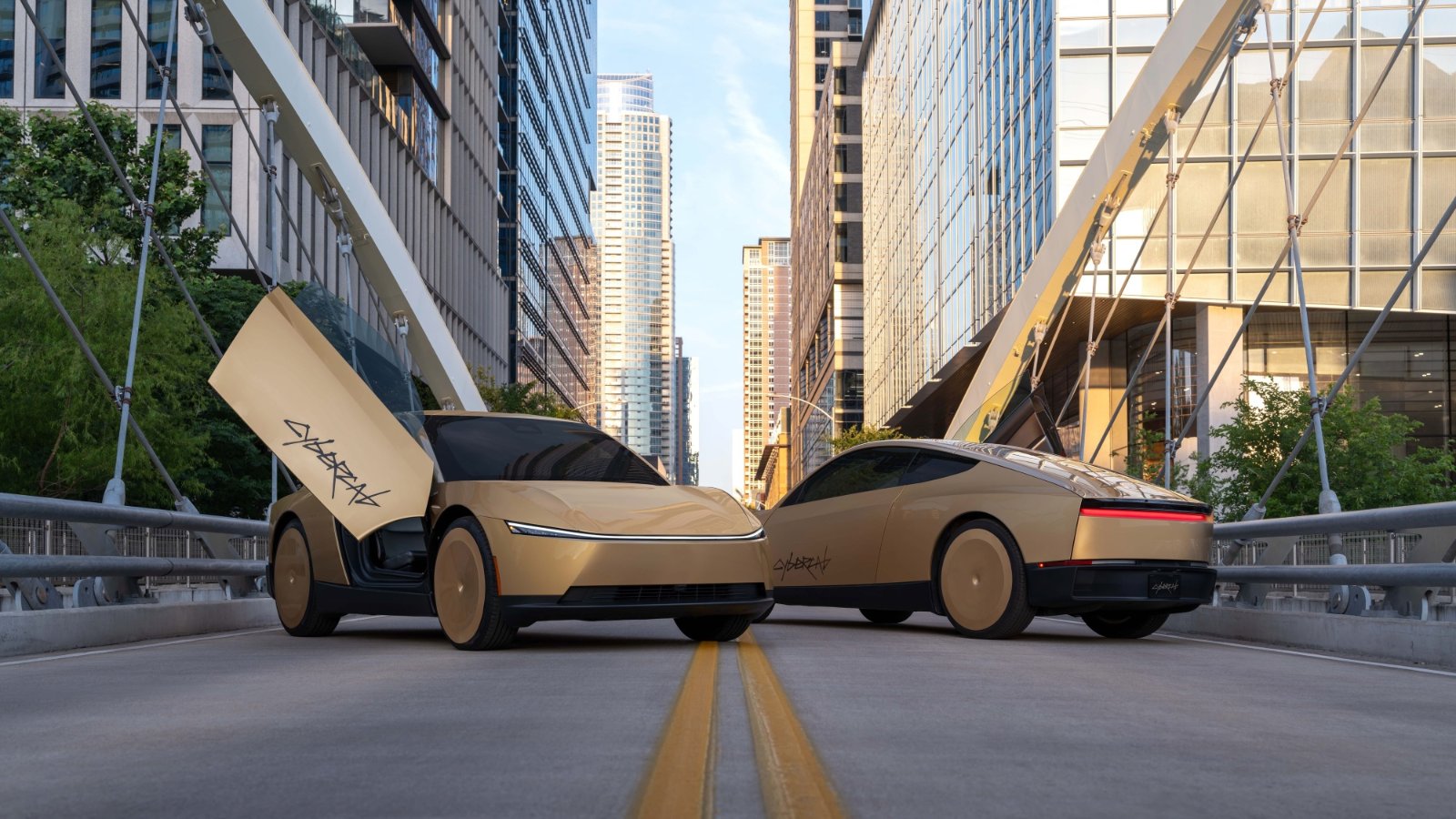
Austin already runs live unsupervised Cybercab hail. Riders open the Robotaxi app and call the purpose-built two-seater on the map. That dedicated coupe is the product on the street today: no steering wheel, no driver station, fares already moving. Separately, Tesla has long described a wider network that can include owner cars with Full Self-Driving when those vehicles are idle. The peak-demand thesis sits on that second lane.
The cost logic is simple. Buying and holding a huge dedicated fleet just to cover rare peaks is expensive. Cars sit underused most of the week, then still may not cover a concert night or a holiday crush. If owners can eventually put FSD-equipped Teslas into the Robotaxi network when they are not driving, supply can rise exactly when demand jumps - without hiring more drivers and without parking a permanent peak fleet on Tesla's balance sheet.
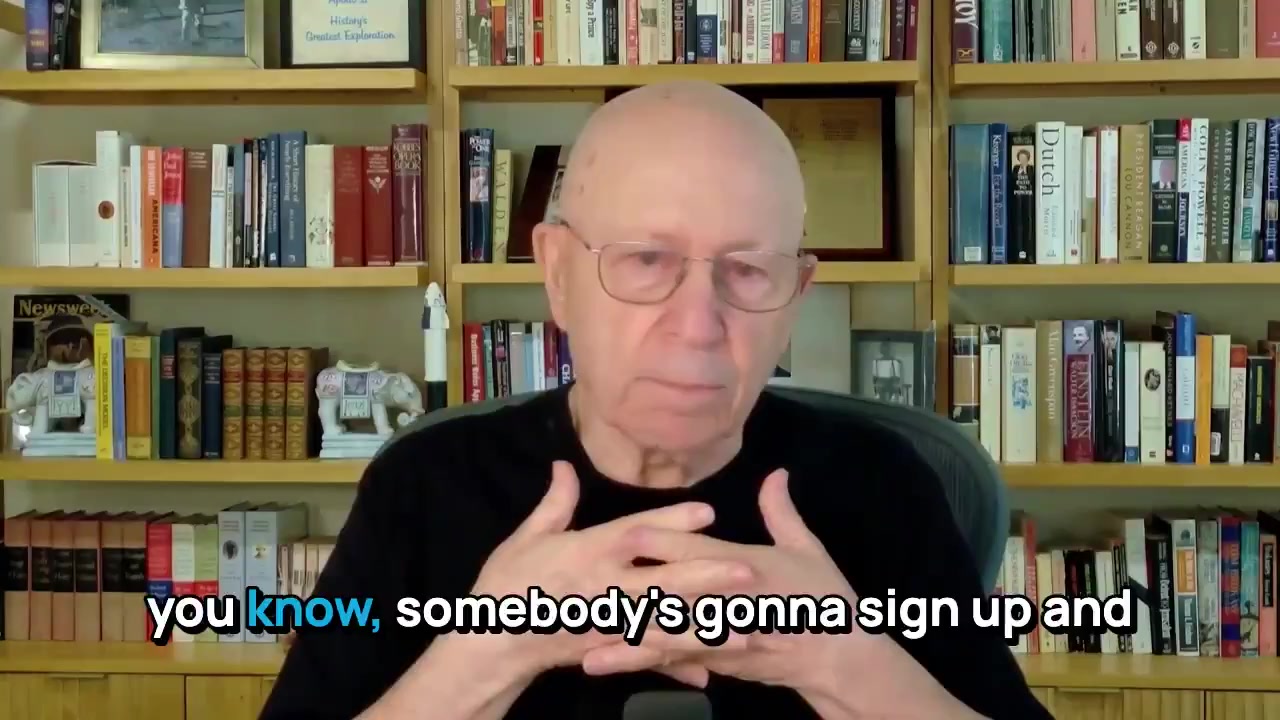
That is the surge idea without the human driver. Ride-hail platforms have long raised prices and drawn more drivers into busy zones. Here the claim is that the cars themselves can appear when the map turns red, because ownership is already distributed across the installed base. TeslaLarry framed peak demand as the real challenge in a roughly five-minute clip shared by Herbert Ong; the clip is commentary, not a Tesla product announcement. The network question it points at is real for any city that already runs unsupervised rides.
Keep the lanes clear. Cybercab is the purpose-built unsupervised taxi Austin riders hail today. Model Y Robotaxi and private FSD participation are different hardware and different ownership stories. A gold two-seater on Congress Avenue is not the same asset as a personal Model Y that might join the network after dinner. Mixing those lanes muddies both the product and the economics.
Austin remains the live public market. Holiday waits and concert spikes already show why peak capacity matters on a thin dedicated pool. Expanding finished Cybercabs on the map is one answer. Letting idle owner cars fill gaps, if and when Tesla opens that path, is another. The tip does not claim the owner lane is live for private cars today. It argues that profits and rider experience at the hardest hours may depend on supply Tesla does not have to buy and hold year-round.
For riders, the near-term fact is unchanged: Cybercab is hailable in Austin now. For the network, the longer question is how many cars show up when everyone wants a ride at once - dedicated Cybercabs, supervised or unsupervised Model Y Robotaxi units, and, someday, owner FSD cars that clock in only for the peaks. The cars that smooth those hours may not all sit on Tesla's lot.
Harper Quinn is a senior correspondent covering Robotaxi launches, Austin fleet ops, and the day-to-day of Cybercab rides. Previously reported transport and consumer tech for independent trade titles; based in Austin.