Latest · Breaking
No Rare Earths, Same Range: Tesla's Cybercab Motor Play
Elon Musk called the rare-earth-free drive unit extremely hard. A Sunday breakdown from @asml2002 puts size, weight, and supply-chain stakes on the table.
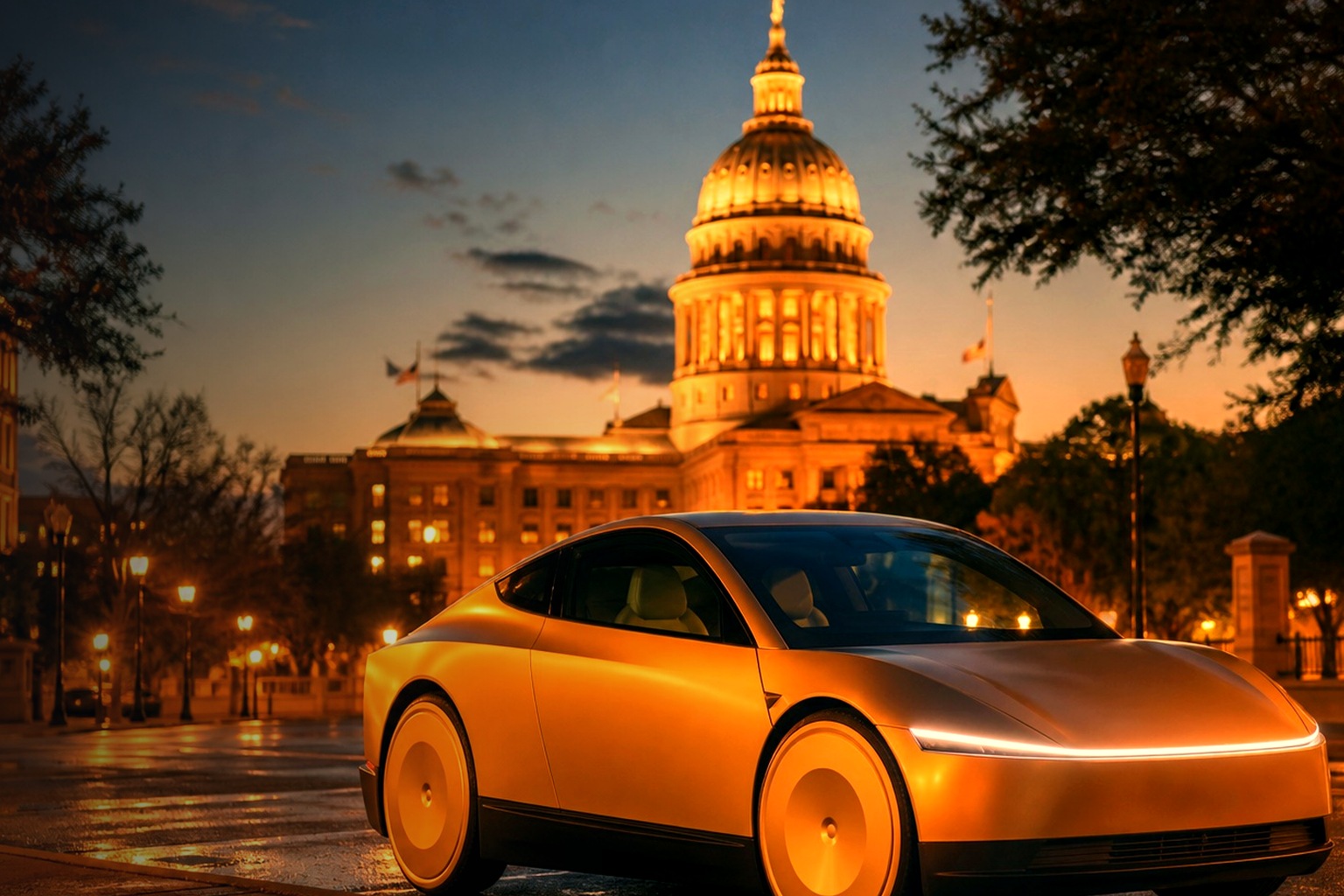
AUSTIN, Texas - Tesla's Cybercab already rolls without a steering wheel. Sunday's hardware note is quieter and just as important for scaling the fleet: its motor uses no rare earth metals and still keeps the same range.
Elon Musk said as much in an overnight launch-week post that called the result extremely hard to achieve. Freeman, posting as @asml2002 on X, spent Sunday morning unpacking why that line matters. High-performance EV motors usually lean on rare earth magnets for power density in a small package. Drop those metals, hold range, shrink the unit, and still hit factory takt time. That is an engineering problem, not a slogan.
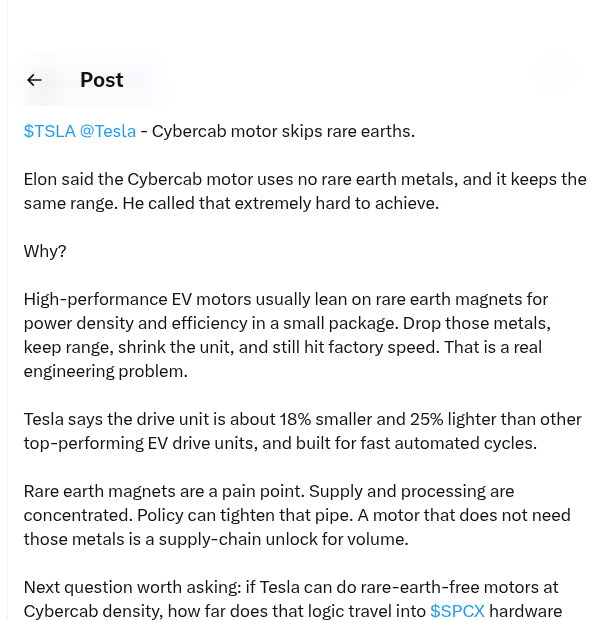
The post's numbers are the part the desk is filing carefully. Tesla, per @asml2002's write-up, puts the Cybercab drive unit at about 18 percent smaller and 25 percent lighter than other top-performing EV drive units, and built for fast automated assembly cycles. Those are not vanity metrics for a two-seater that already looks like a show car. Smaller and lighter means more room in the skateboard for battery, cooling, and structure. It means less mass for the unsupervised coupe to haul through Austin heat. It means a unit that can be bolted in on a line that is supposed to run at volume, not at prototype pace.
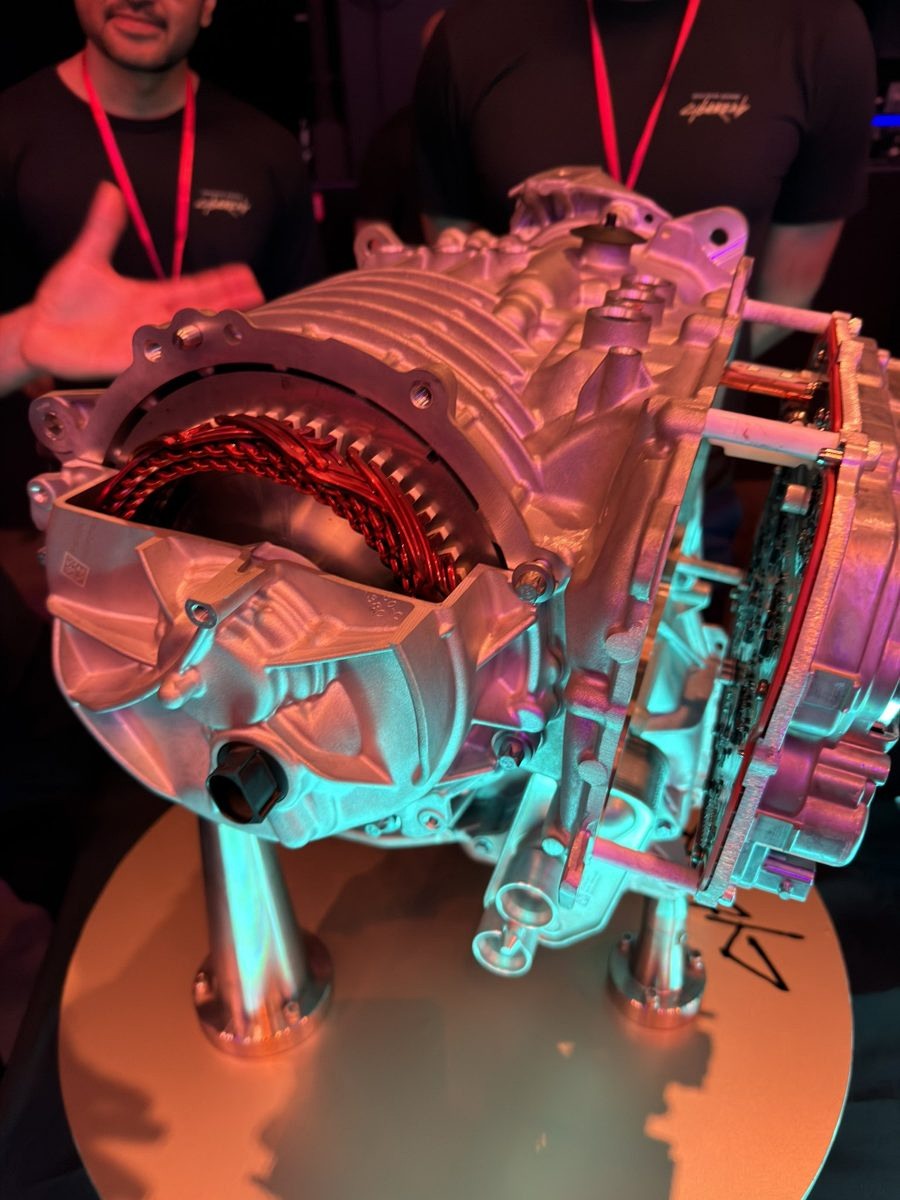
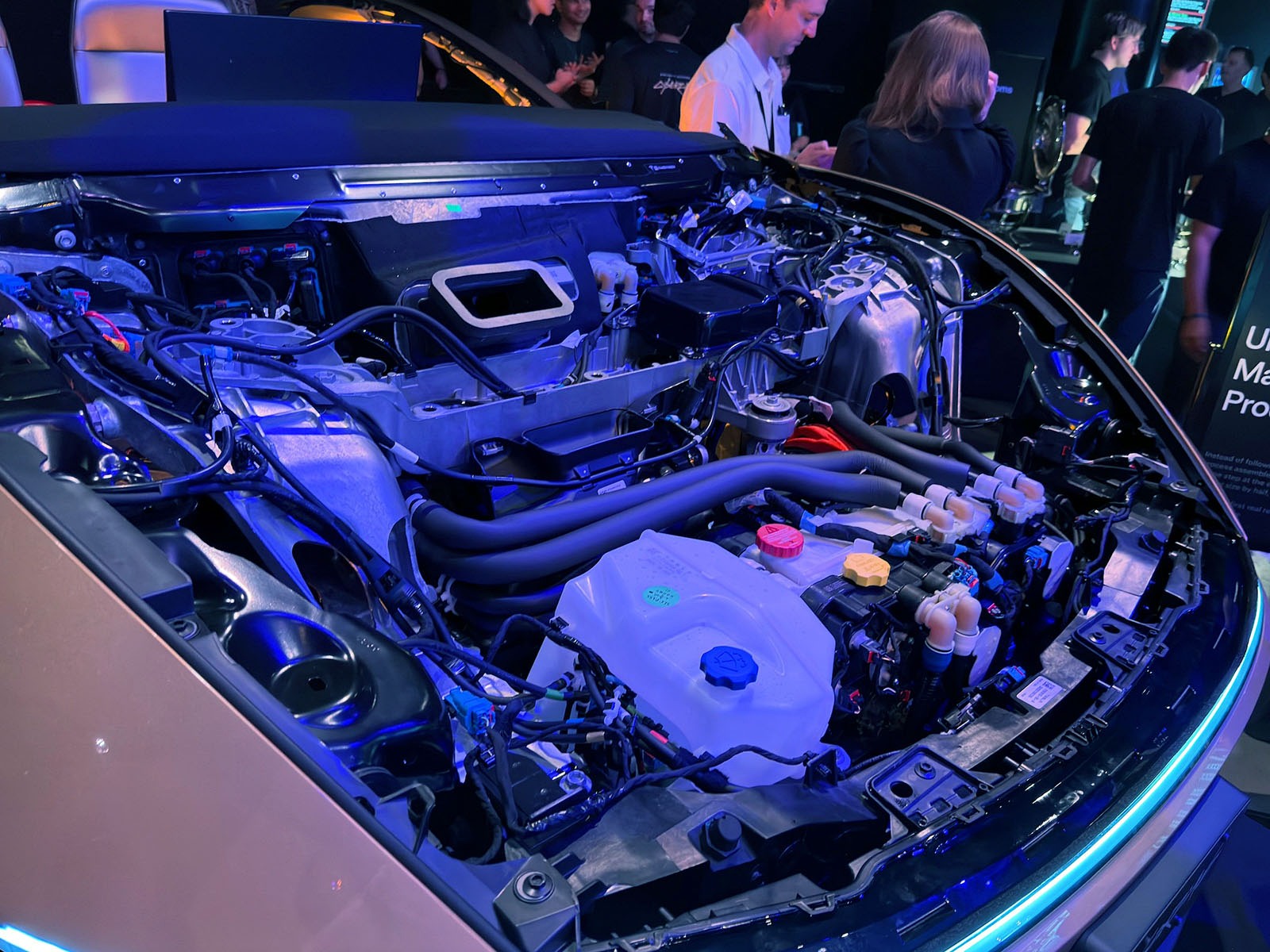
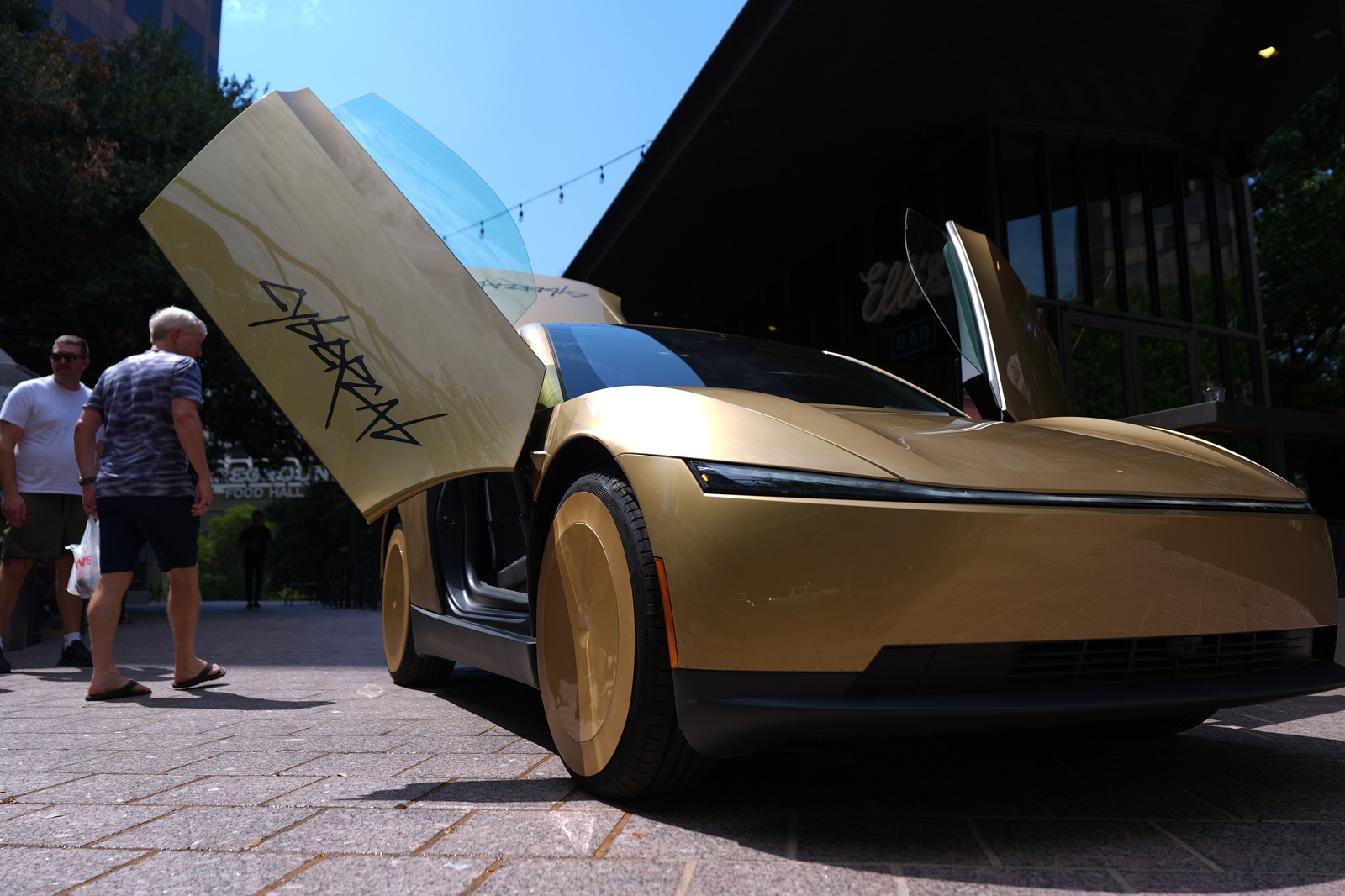
The images attached to Freeman's thread show why the claim lands as hardware reporting rather than cheerleading. One frame is a cutaway motor with dense copper windings and integrated electronics under pink and cyan stage light. Another opens the front bay: castings, thermal plumbing, and the tidy packaging of a purpose-built cab that never had to reserve space for a steering column. A third puts a champagne Cybercab on an Austin brick plaza with butterfly doors raised - the same gold two-seater riders are already hailing in the Robotaxi app.
Rare earth magnets are a known choke point. Mining and processing sit in a concentrated supply chain, and policy can tighten that pipe overnight. Automakers have spent a decade designing around that risk with dual-sourcing, magnet recycling, and induction or ferrite alternatives that often trade away size or efficiency. Tesla's stated Cybercab path refuses that trade. Keep the range. Shrink the package. Remove the metals that make a procurement team nervous. A purpose-built robotaxi motor that does not need those magnets is a supply-chain unlock for volume - the same volume Tesla needs if Cybercab is going to move from Exclusive Access nights into everyday Robotaxi app hails across more hours and more neighborhoods.
That volume story is the Austin angle. Public rides have already moved earlier in the day on demand. The official Robotaxi account has been posting unsupervised-mile claims, cabin films, accessibility notes, and street jokes in the same feed. None of those posts matter if the drive unit cannot be built without a fragile materials stack. A rare-earth-free motor is how a launch city story becomes a factory story. Riders here experience the product as a quiet gold coupe that opens its own doors. Operators and suppliers experience it as a takt-time problem. Freeman's Sunday note connects the two.
@asml2002 also floated a longer question: if Tesla can ship rare-earth-free motors at Cybercab density, how far does that logic travel into SpaceX-side hardware around Raptor - electric pumps, actuators, and high-duty motors on the vehicle and ground side? The desk is not treating that as a company claim. It is the natural next ask once the car's motor story is on the record. Cross-company engineering habits show up in packaging, thermal design, and the refusal to accept good enough for low volume. Cybercab is the public proof point because it is already taking fares.
This piece sits beside, not instead of, the earlier brief that paired Musk's rare-earth motor note with his electric-brakes post. Sunday's contribution is the size-and-weight frame and the volume argument, sourced from a named watcher who tagged @cybercab_news while the Austin fleet is already taking fares. The desk is not declaring the supply chain solved. It is filing what Tesla has put on the table: a Cybercab drive unit designed without rare earths, sized for density, and pitched as ready for automated cycles. In a week of cabin demos and street photography, that is the part that scales.
For riders opening the Robotaxi app in Austin, the motor story will stay invisible. The car still arrives gold, door up, cabin quiet. For anyone watching whether Cybercab can leave a launch fleet and become a product line, skipping rare earths while keeping range is the kind of boring win that decides whether the unsupervised coupe stays scarce or becomes ordinary.
Harper Quinn is a senior correspondent covering Robotaxi launches, Austin fleet ops, and the day-to-day of Cybercab rides. Previously reported transport and consumer tech for independent trade titles; based in Austin.
Source: https://x.com/asml2002/status/2096480973668200683 (Sep 6, 2026, 06:09 UTC)
More on the wire
Breaking
No Wall Connector: Cybercab Is Built for Fleet DC, Not Driveways
Harper Quinn · 1d ago
Breaking
Cents on the Mile: Ming Maps Cybercab's $50,000 Head Start Over Rival Robotaxis
Harper Quinn · 1d ago
Breaking
Fake Warrant, Real Ride: Jeremy Judkins Scripts Grok Into a Cybercab Police Prank
Harper Quinn · 2d ago