Robotaxi · Robotaxi
Tesla’s Rider Guide Details a Cab With No Wheel and a Deep Trunk
A North America rider guide dated Sept. 3 lists trunk volume, step-in height, camera layout, cabin radar and Unreal Engine UI — the paperwork of a car already in the Robotaxi app.
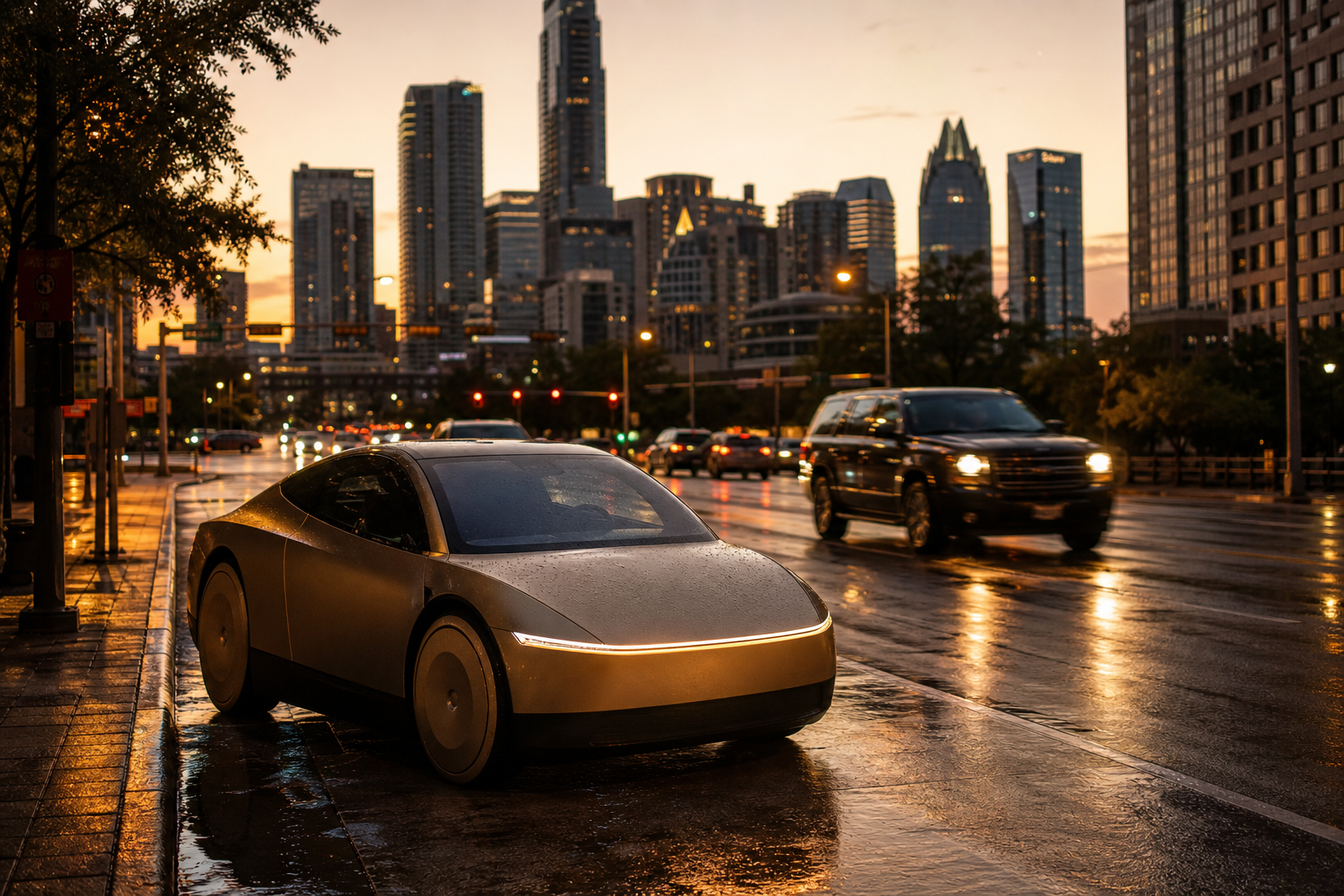
AUSTIN, Texas — Tesla published a Cybercab Rider Guide for North America dated Sept. 3, putting official measurements and cabin rules on the purpose-built two-seater the same day Exclusive Access opens here and Cybercab rides are available to hail in the Robotaxi app.
The guide lives at tesla.com/robotaxi/riderguides, with a downloadable PDF and a linked compliance set. It is not a marketing poster. It is the document a stranger is meant to open before they sit in a car with no steering wheel and no pedals.
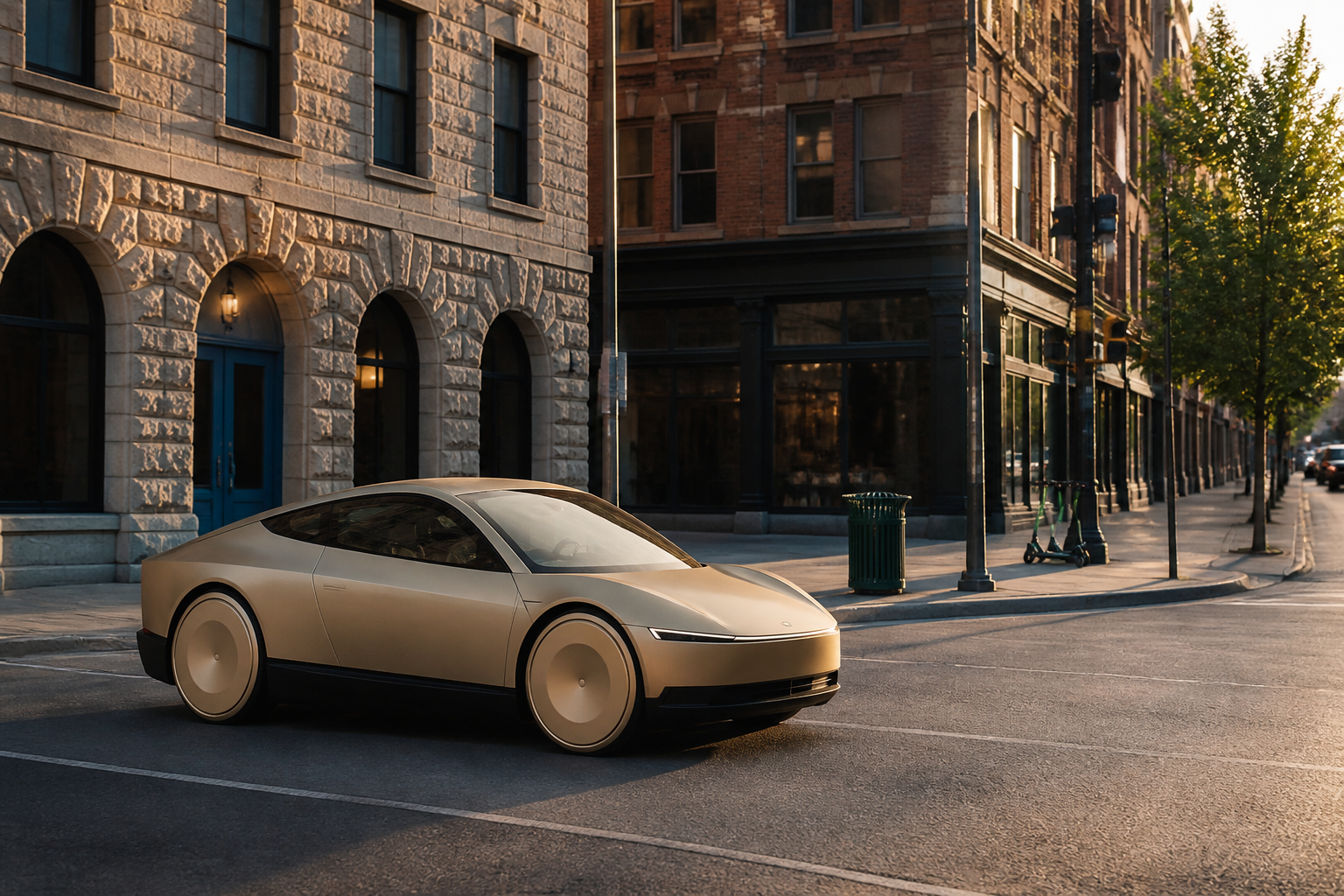
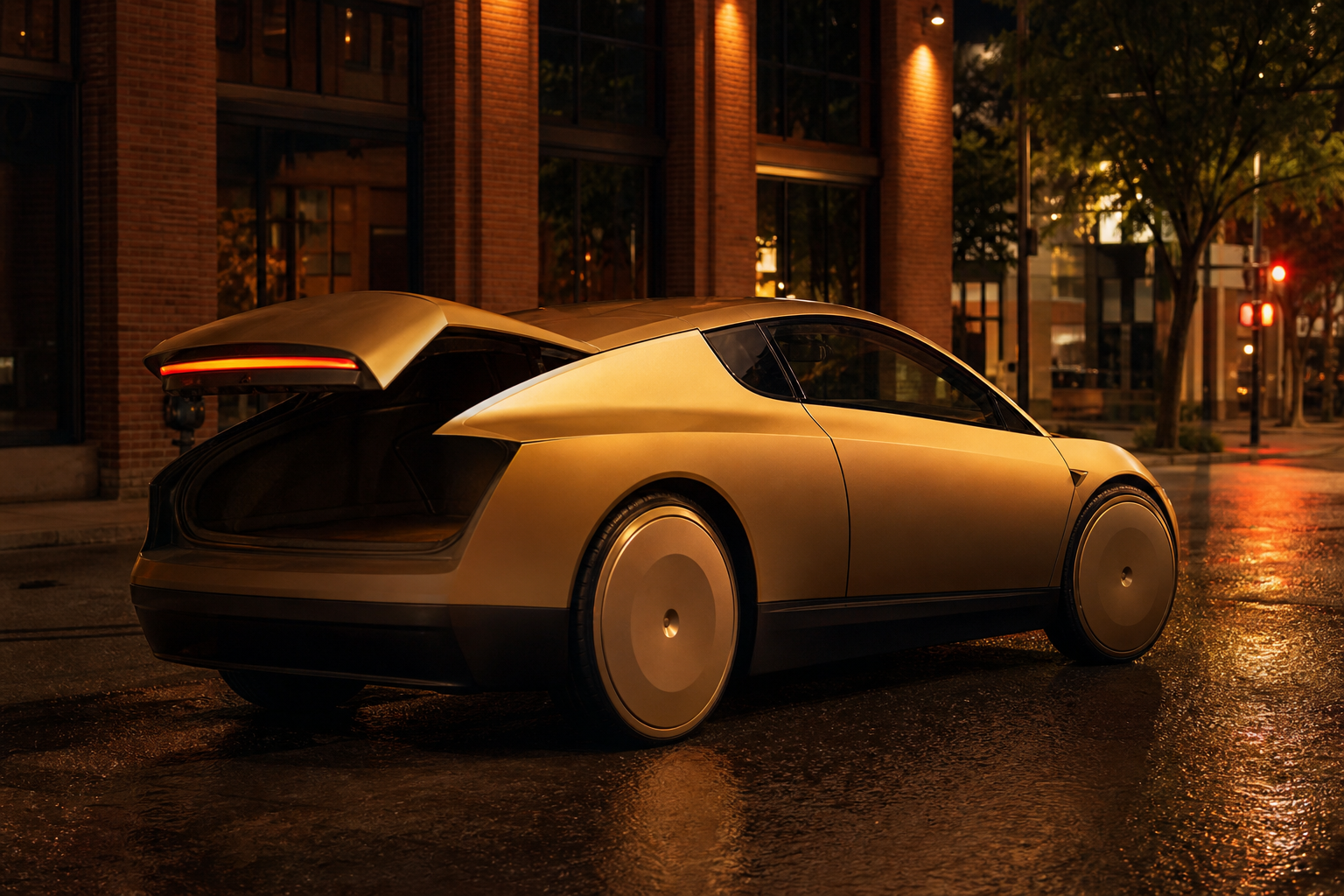
The exterior numbers are small and specific. Step-in height is 16.5 inches. Overall height is 55.4 inches. Width is 69 inches. Ground clearance is 5.7 inches. Inside, headroom is 38.3 inches, legroom 43.4, hip room 50.1, shoulder room 51.8. The rear trunk is rated at 20.2 cubic feet — 572 liters — and up to 220 pounds. Tesla’s own cargo examples include two checked bags plus two carry-ons, two carry-ons plus two golf-club travel bags, one large folded stroller, or one small folded wheelchair. There is no front trunk. The hood does not open.
Cameras and cabin sensing get the same treatment. Tesla lists eight exterior-facing cameras: one above the front grille, one above the rear license plate, one in each door pillar, two near the top of the windshield, and one on each front fender. A ninth, cabin-facing camera watches the interior; the touchscreen shows a green indicator when it is active. Between rides, that cabin camera is used to check for cleanliness and lost items. Above the dome lights, cabin radar serves as the Occupant Classification System that decides whether front airbags should be enabled, distinguishing empty seats, rear- or forward-facing child seats, boosters, larger children and adult-sized occupants. Tesla still bars anyone under 13 from Cybercab and says the car has no LATCH/ISOFIX anchors — any booster must use the seat belts.
Seats move as a pair forward and back; each backrest reclines on its own. Riders are told to sit upright, feet flat on the floor, belted, with the seat reclined less than 35 degrees from vertical. Airbags include front, knee, seat-mounted side, inner seat-mounted side and curtain bags. Both doors keep mechanical releases that work if electrical power is lost. Each passenger can kill airflow from their own vent. USB-C ports are in the cabin. Log into a media service with a personal account and Tesla says that account data is removed when the trip ends. The guide also states that Cybercab’s interface uses Epic Games’ Unreal Engine.
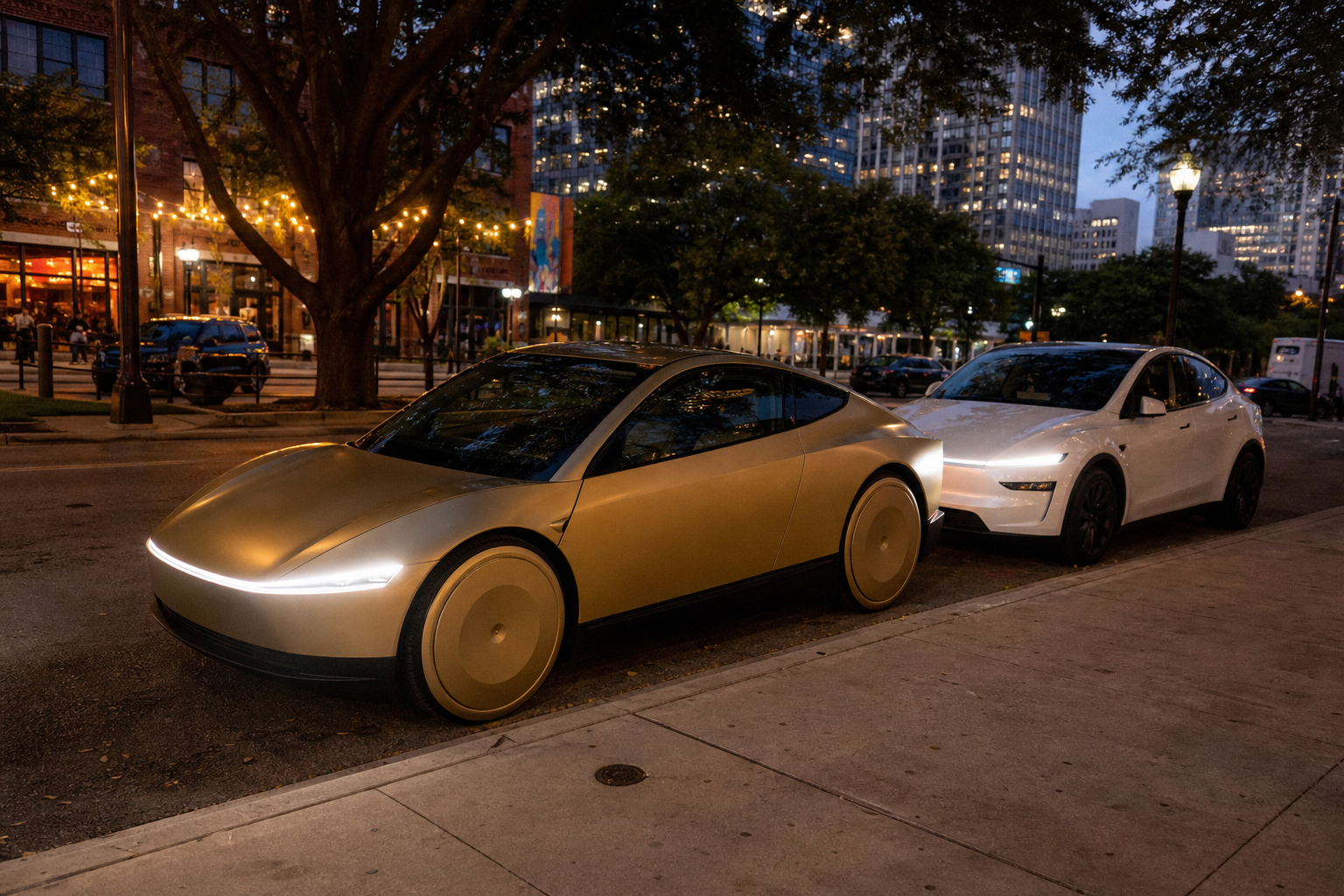
Pickup is color-coded. The rear lightbar lights red; the front lightbar changes color, and the Robotaxi app tells the rider which color is theirs. Hazard lights flash when the car parks for pickup or drop-off. A door can open when Cybercab detects the requester’s phone. A stop button between the dome lights requests an immediate pull-over and connects to Robotaxi Support — for emergencies only, Tesla says.
None of this replaces the launch-night theater at Gigafactory Texas. It does something quieter and more lasting: it tells a paying rider how tall the car is, how much the trunk holds, where the cameras point, and what the company expects of a body in a seat with no driver to argue with. On a day when Tesla’s own account posted that the future had arrived in Austin, the rider guide is the fine print of that claim.
Sources: Tesla Cybercab Rider Guide (North America), publication date 2026/09/03 — https://www.tesla.com/robotaxi/riderguides/cybercab/en_us/
Harper Quinn is a senior correspondent covering Robotaxi launches, Austin fleet ops, and the day-to-day of Cybercab rides. Previously reported transport and consumer tech for independent trade titles; based in Austin.