Policy · Breaking
Zoox's Four-Year NHTSA Fight Maps the Path for Cybercab
Cern Basher's Sunday X Article argues Amazon's robotaxi fight did not kill purpose-built AVs - it forced Washington to confront cars with no wheel.
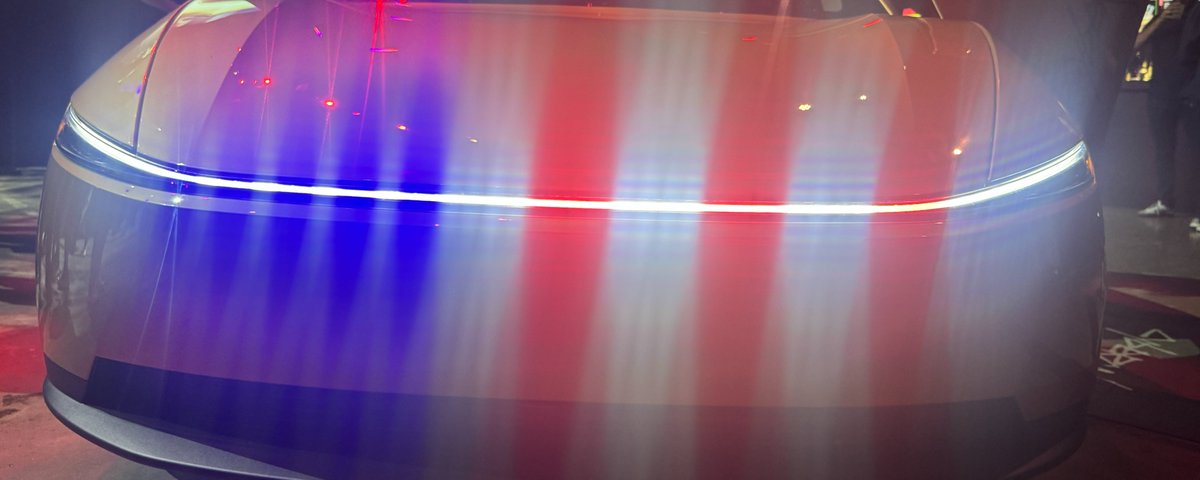
AUSTIN, Texas - Tesla is not the first company to tell Washington that a purpose-built robotaxi can legally run without a steering wheel, pedals, or other hardware built for a human driver. Zoox got there first. What happened next, Cern Basher argues in a Sunday X Article, is the clearest roadmap yet for reading NHTSA’s open Cybercab audit.
The piece - titled “What Zoox’s Four-Year Battle With NHTSA Tells Us About Cybercab” and shared from @CernBasher at 00:30 UTC - sits beside this desk’s earlier filing on AQ26002. That first Basher note asked whether the Cybercab query could become constructive precedent. Sunday’s follow-up is the history lesson underneath it: Amazon’s bidirectional, campfire-seating robotaxi self-certified in 2022, fought for years, lost the original certification basis, and still helped drag federal policy toward cars designed never to be driven.
Zoox’s opening move looked a lot like Tesla’s. On June 30, 2022, the company self-certified that its purpose-built vehicle complied with all applicable Federal Motor Vehicle Safety Standards. The fight that followed turned on that word - applicable. Zoox argued performance matters more than preserving a foot pedal on a car that will never have a foot on it. NHTSA was not convinced. A Special Order in September 2022 led to Audit Query AQ23001 on March 3, 2023. Nearly 29 months of document demands, technical exchanges, and on-site inspections followed. In December 2024 the agency documented apparent noncompliances. By June 2025 Zoox sought exemptions. On August 4, 2025 NHTSA granted a demonstration exemption, closed AQ23001, and required Zoox to strip compliance claims from those vehicles.
That sounds like a warning for Cybercab. Basher says stopping there is too simple.
After the demonstration carve-out, Zoox pushed for commercial deployment under Part 555. On July 30, 2026 NHTSA granted what Basher calls the country’s first commercial-deployment exemption for a novel purpose-built automated passenger vehicle - up to 2,500 exempt vehicles a year for two years, under enhanced oversight. The federal government, in his reading, is no longer debating whether wheel-less robotaxis should exist. It is building the framework for them to take fares.
The deeper shift is philosophical. NHTSA Administrator Jonathan Morrison has said regulations written for human drivers can tether future vehicles to the past, and that a car designed never to be human-driven does not get safer because someone bolts on a foot pedal. When the agency cleared Zoox’s commercial path, it framed the test as equivalent safety, not replica hardware. Continuous operational authorization - adjusting conditions as the software evolves - is becoming as important as the one-time sticker on the door.
None of that proves Cybercab needs the same exemption corridor. Basher’s point, and the Cybercab angle for this desk, is narrower and more useful: AQ23001 did not write a general rule that every AV without a wheel must beg for Part 555. It judged Zoox’s vehicle and Zoox’s certification method. Cybercab is a different car, certified in 2026 rather than 2022, into a landscape Zoox helped change. Tesla still faces real scrutiny in AQ26002. Self-certification is not immunity. NHTSA can demand the work, inspect the fleet, and reject an “inapplicable standards” theory. But the agency that challenged Zoox now openly supports commercial deployment of purpose-built vehicles without traditional controls, while modernizing FMVSS pieces that assume a driver.
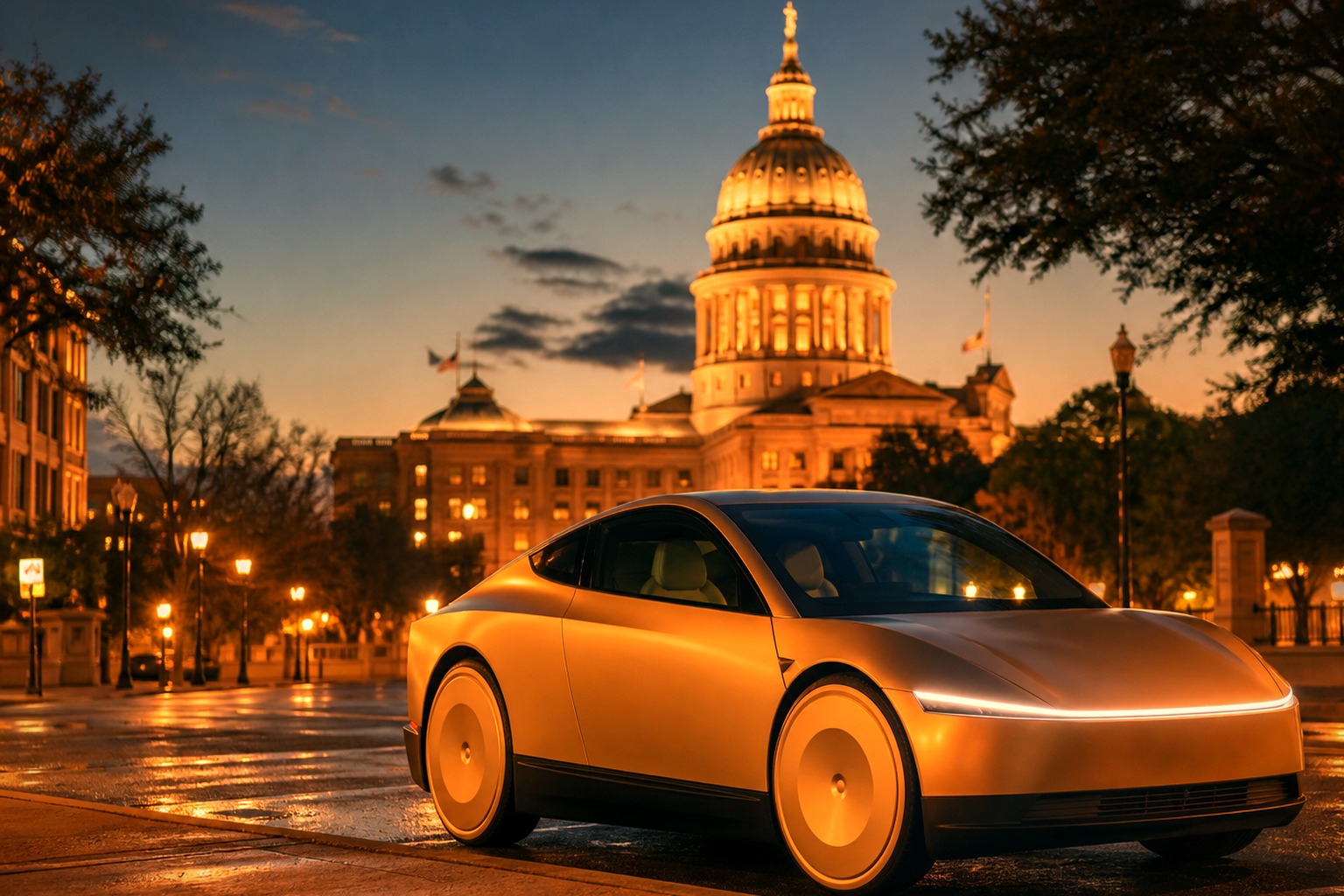
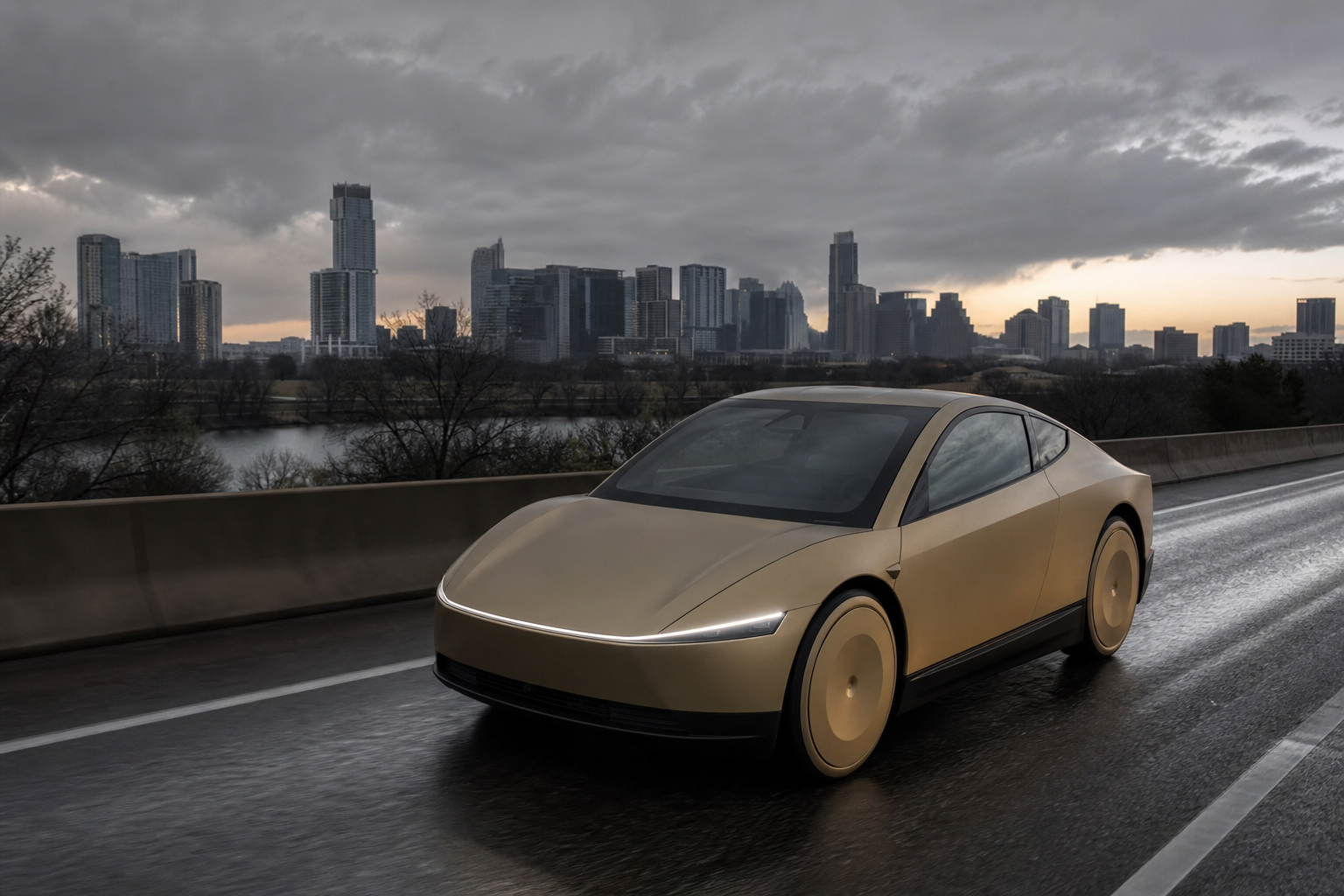
Tesla’s bet looks more ambitious than Zoox’s endgame. Zoox accepted exemptions. Tesla appears to be arguing that the rules that actually apply to Cybercab are already satisfied - the stronger claim Morrison himself has preferred over indefinite reliance on discretionary waivers. AQ26002 is the test of that claim. For riders already hailing gold two-seaters in Austin’s Robotaxi app, the street picture does not wait on the paperwork. For operators and investors watching scale, Basher’s Sunday article is the bridge story: Zoox may have lost the first certification battle while helping win the policy war Cybercab is now crossing.
For Austin operators already running unsupervised Cybercab hours, Basher's timeline is practical reading. The Zoox file shows how long an audit can last, how a demonstration carve-out can reopen as a commercial Part 555 path, and how an agency that once treated wheel-less hardware as a compliance crisis can later frame equivalent safety as the governing test. Cybercab enters that era with riders already in the back seat. The paperwork still matters. The street does not wait for it.
Priya Nair is a policy reporter covering AV regulation, state clearances, and FSD governance. Trained as a legal affairs reporter; files from the policy beat with an eye on what operators can actually ship.
Source: https://x.com/cernbasher/status/2096395701143937327 (Sep 6, 2026, 00:30 UTC)