Latest · Breaking
Talk to Grok: Tesla Hands Cybercab Riders the Mic
The Robotaxi account quote-posted a cabin demo showing natural-language control of climate, YouTube, music, and destination edits - without touching the screen.
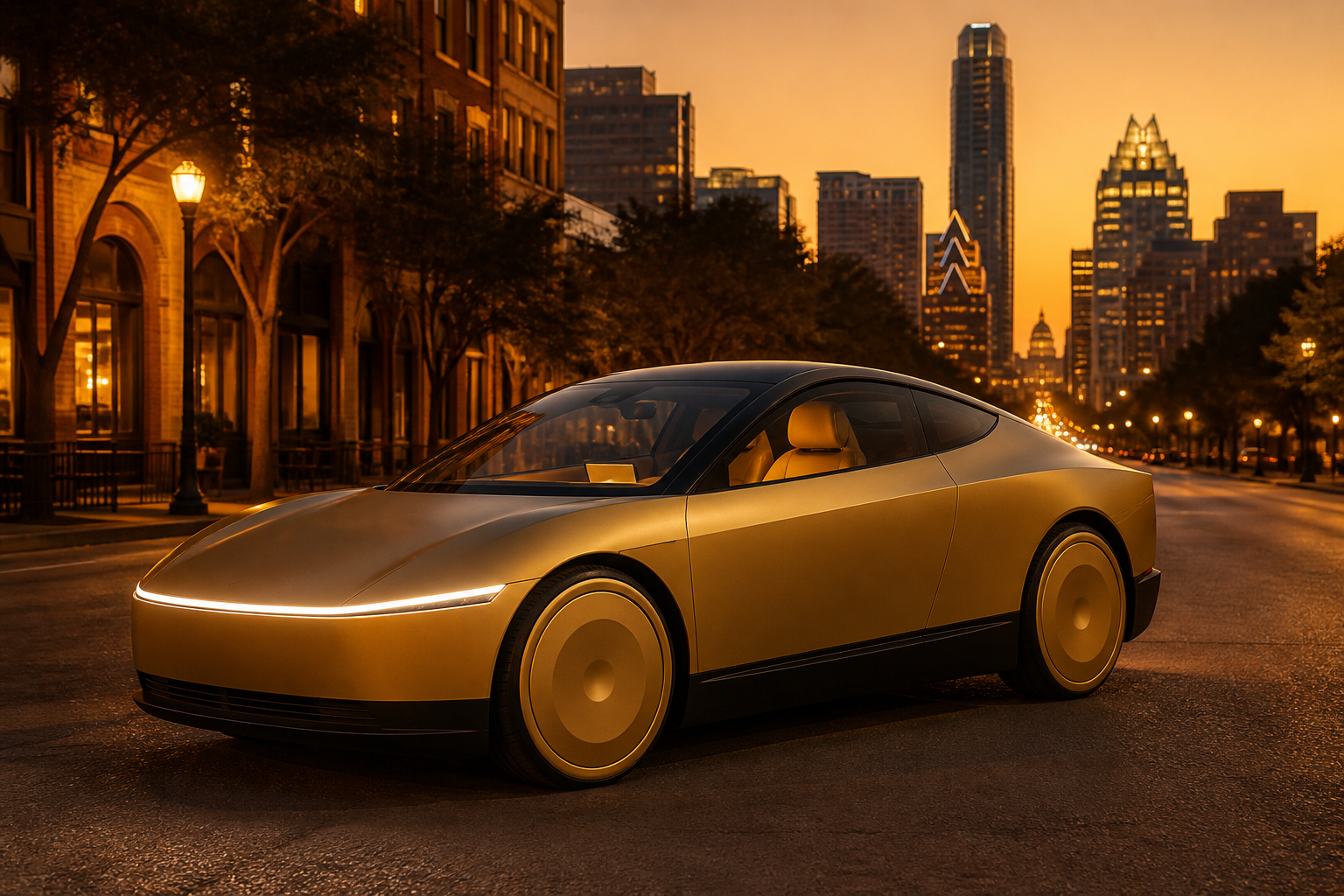
AUSTIN, Texas - Tesla's Robotaxi account spent Saturday evening selling a quieter kind of Cybercab feature: not another unsupervised mile count, but a voice that can run the cabin while your hands stay off the glass.
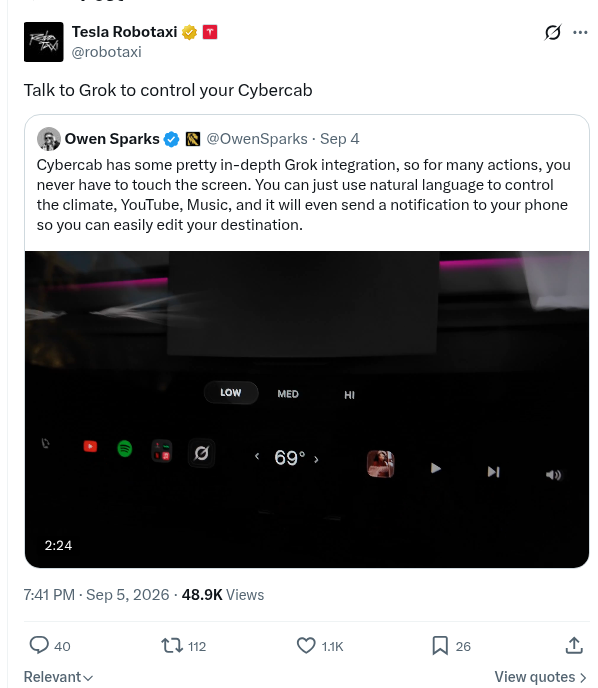
"Talk to Grok to control your Cybercab," @robotaxi posted at 7:41 p.m. Central on Sep. 5, quoting a detailed cabin note from Owen Sparks (@OwenSparks) and attaching a 2-minute-24-second video of the production two-seater's big screen answering spoken requests. The post is an official stamp on what riders have been testing in Austin since public Cybercab hails opened - that Grok is not a novelty chatbot bolted onto the lounge, but a hands-free remote for climate, entertainment, and trip changes.
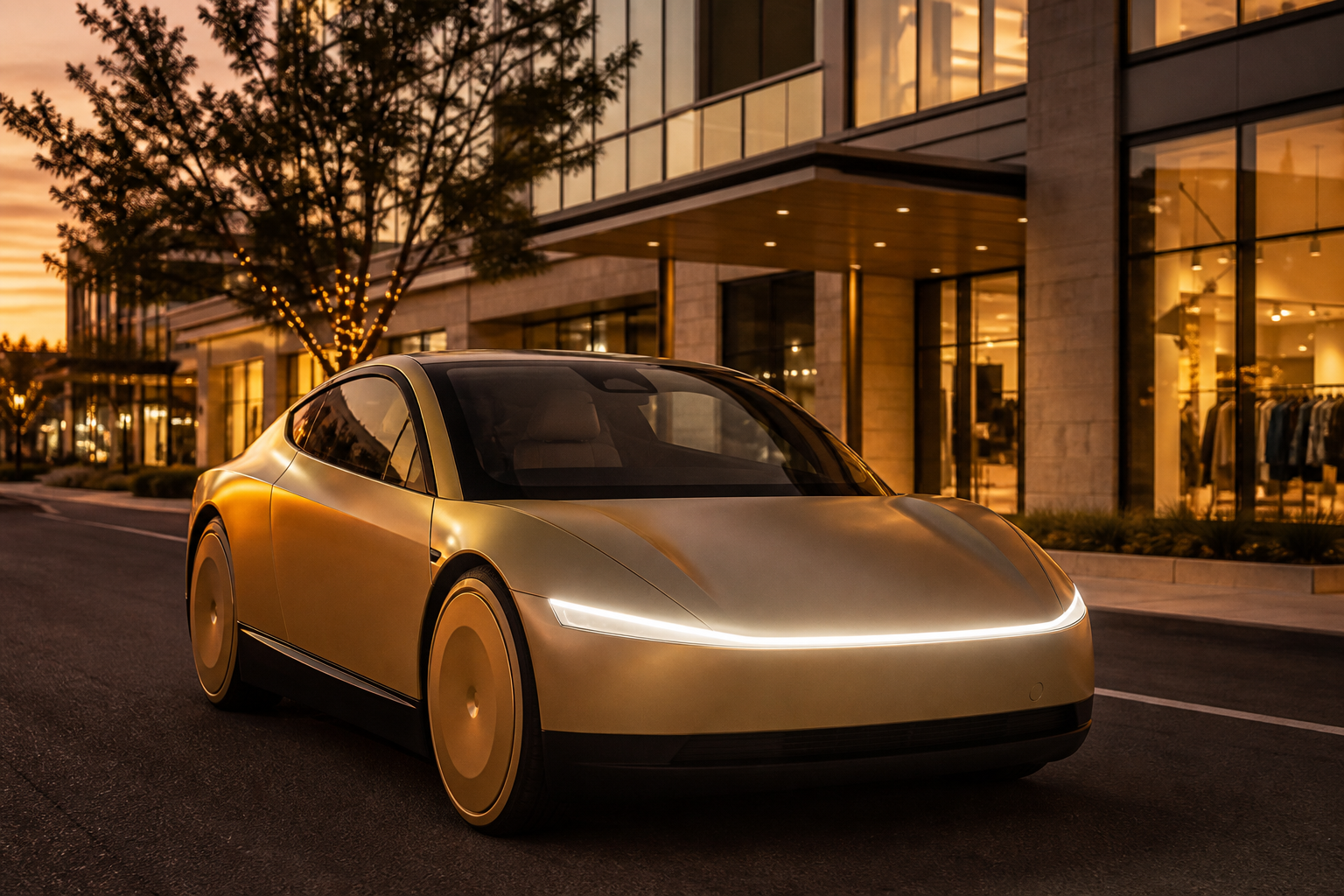
Sparks's quoted text is the operational brief. "Cybercab has some pretty in-depth Grok integration, so for many actions, you never have to touch the screen," he wrote. "You can just use natural language to control the climate, YouTube, Music, and it will even send a notification to your phone so you can easily edit your destination." That last clause matters in a car with no steering wheel and no pedals. The phone still owns the hail. The cabin display owns the ride. Grok sits between them as the third control surface - one that does not require hunting icons while the gold coupe moves through downtown traffic.
For a desk that has spent the week filing wheelchair-height seats, cleaning robots, and rare-earth-free motors, the Grok note is cabin software news with fleet consequences. Every Cybercab on the Texas Robotaxi books is already a two-seat unsupervised vehicle. Teaching riders to speak instead of tap reduces the chance that a first-time passenger freezes on an unfamiliar UI. It also matches how Tesla has been pitching the cabin since Exclusive Access: a lounge with a theater-size display, not a driver's cockpit missing its wheel.
The timing is deliberate. Public Cybercab rides in Austin moved earlier on Friday under popular demand, and high-signal riders have already started sending product notes from long loops. Sawyer Merritt's five-hour wishlist, filed separately this weekend, asked for Grok-triggered windshield cleaning among other cabin polish items. @robotaxi's Saturday post does not answer that list item by item. It does answer the larger question those notes assume: Tesla wants voice to be a first-class way to live in the car for the length of a Robotaxi trip.
The video attached to the Robotaxi post is the evidence file. At just over two minutes it is longer than a teaser. It shows the touchscreen and voice/control interaction inside the production cabin - climate, media, and the kind of destination handoff Sparks described. Official accounts rarely leave that much runtime on the table unless they want watchers to treat the feature as ship-ready, not concept-reel. By Sunday morning London time the post had drawn tens of thousands of views, the kind of reach @robotaxi now gets when it talks about the people's cab rather than a single emoji reply.
Natural-language climate control is the easiest sell. A rider stuck behind a diesel truck does not want to learn a new HVAC tree; they want to say the cabin smells wrong and have recirculation on. YouTube and music control is the lounge pitch in one sentence: the 22-inch-class display is for the trip, not for scrolling settings. Destination editing via a phone notification is the bridge back to the app that booked the car. Sparks is careful not to claim the cabin screen alone rewrites the trip without the phone. He says Grok can ping the handset so the edit is easy - a division of labor that fits how Tesla already separates hail, ride, and support.
None of this replaces unsupervised driving. Grok is not steering. It is not claiming to negotiate a left turn by chat. The post is about the minutes after the lightbar finds you and the doors open - the part of Robotaxi that used to belong to a human driver making small talk and fiddling with knobs. In Cybercab those minutes belong to the passenger, the screen, and now a voice model Tesla is willing to put on the official account.
The competitive frame is quiet but present. Waymo and Zoox sell robotaxi rides with their own in-cabin patterns. Uber and Lyft still assume a person up front who can take a "turn it down" request without an API. Tesla's bet is that a purpose-built two-seater plus Grok can make the absence of that person feel like an upgrade: fewer taps, less hunting, more of the trip spent watching the city instead of managing the car. Saturday's post is the company saying that bet is live in Austin, not queued for a later software day.
The desk is filing the item as an official product affirmation credited to Tesla Robotaxi (@robotaxi), quoting Owen Sparks's cabin walkthrough, not as an independent lab test of every voice command. Feature demos on X are not the same as a rider guide PDF. They are still the record of what Tesla wants the public to believe the gold coupe can do on day-one public hails. For now, the instruction from the official account is simple enough to print above the fold: talk to Grok, and leave the screen alone when you can.
Harper Quinn is a senior correspondent covering Robotaxi launches, Austin fleet ops, and the day-to-day of Cybercab rides. Previously reported transport and consumer tech for independent trade titles; based in Austin.
Source: https://x.com/robotaxi/status/2096428461166588208 (Sep 5, 2026, 7:41 p.m. CT)
More on the wire
Breaking
No Wall Connector: Cybercab Is Built for Fleet DC, Not Driveways
Harper Quinn · 1d ago
Breaking
Cents on the Mile: Ming Maps Cybercab's $50,000 Head Start Over Rival Robotaxis
Harper Quinn · 1d ago
Breaking
Fake Warrant, Real Ride: Jeremy Judkins Scripts Grok Into a Cybercab Police Prank
Harper Quinn · 2d ago